Lake Biwa Culture
Heritage and Traditions in Shiga Japan
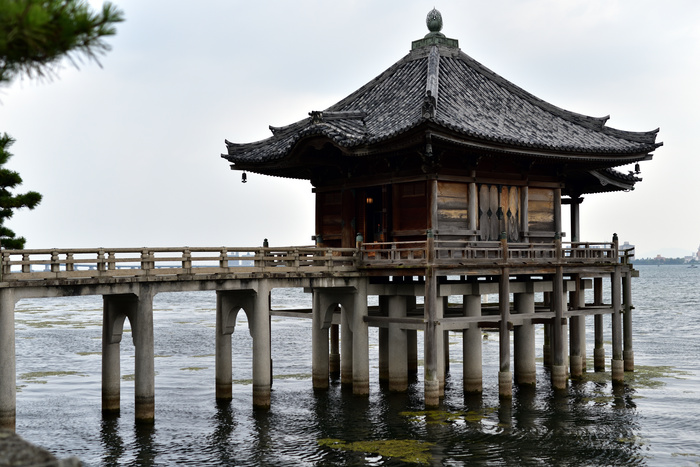
The region surrounding Lake Biwa, the largest freshwater lake in Japan, has developed a rich cultural heritage over more than a thousand years. Located in Shiga Prefecture near Kyoto, the lake historically served as an important transportation route connecting central Japan with eastern regions.
Because of this strategic location, many temples, shrines, and historic towns developed along the shores of Lake Biwa. These sites remain today and form a cultural landscape that reflects the deep relationship between nature and human life in Japan.
One of the most symbolic cultural sites on the lake is Chikubushima, a sacred island that is home to Hōgon-ji Temple, founded in the 8th century. For centuries, the island has been an important pilgrimage destination and a spiritual center in the Lake Biwa region.
Traditional life around the lake also shaped a unique food culture. Local communities developed fishing traditions and dishes based on the lake’s ecosystem. A famous example is funazushi, a fermented fish dish considered one of the oldest forms of sushi in Japan.
Cultural traditions are also celebrated through local festivals. In Ōtsu, the Ōtsu Festival, which dates back to the Edo period, features elaborate floats, traditional music, and craftsmanship that have been preserved for generations.
Today, the Lake Biwa region offers visitors a rare opportunity to experience historic temples, traditional culture, and living heritage in a peaceful environment not far from Kyoto.
For travelers interested in Japanese culture and history, Lake Biwa remains one of the most authentic cultural destinations in Japan.
Click here for Biwa Lake cruise details and reservations.