Lake Biwa History
The Historic Heart of Shiga Japan
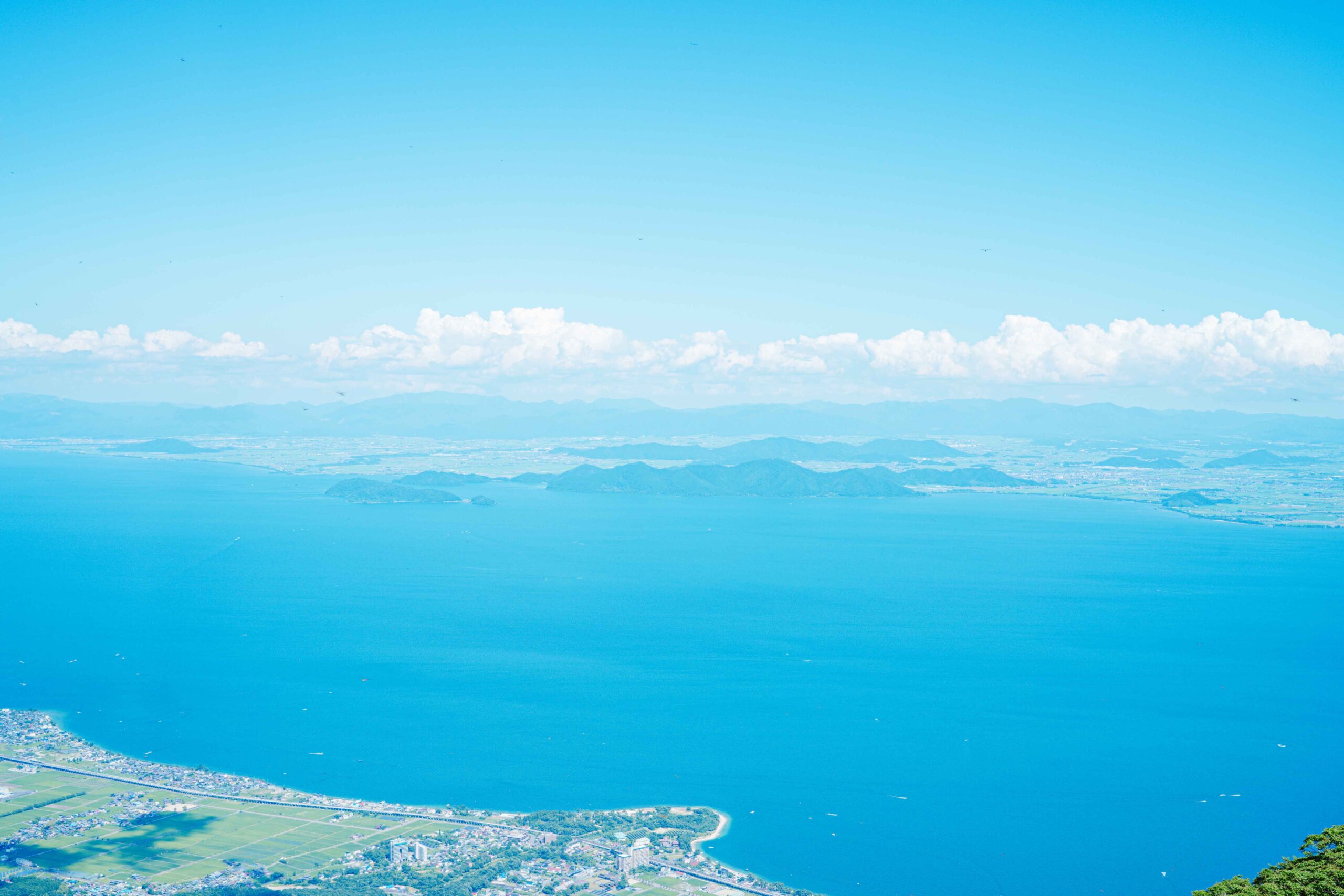
Lake Biwa, located in Shiga Prefecture near Kyoto, is the largest freshwater lake in Japan and one of the oldest lakes in the world. Geological studies indicate that the lake was formed more than four million years ago, making it one of the few ancient lakes that
have existed continuously for such a long period of time.
Because of its age and stability, Lake Biwa has played an important role not only in the natural environment of Japan but also in the development of human culture in the region.
Archaeological evidence shows that people have lived around Lake Biwa since prehistoric times.
The fertile plains and abundant water resources made the area an ideal place for early settlements, agriculture, and fishing. Over time, communities developed along the lakeshore,
forming the foundation of the region’s cultural landscape.
During Japan’s classical and medieval periods, Lake Biwa became an important transportation route. Located near Kyoto, the former imperial capital, the lake connected central Japan with eastern regions. Boats carrying people and goods crossed the lake, while major travel routes such as the Tōkaidō road passed nearby. As a result, towns such as Ōtsu developed as key transportation hubs.
The strategic importance of the region also led to the construction of important historical landmarks. Hikone Castle, built in the early 17th century during the Edo period, stands near the lake and remains one of the few original castles preserved in Japan today.
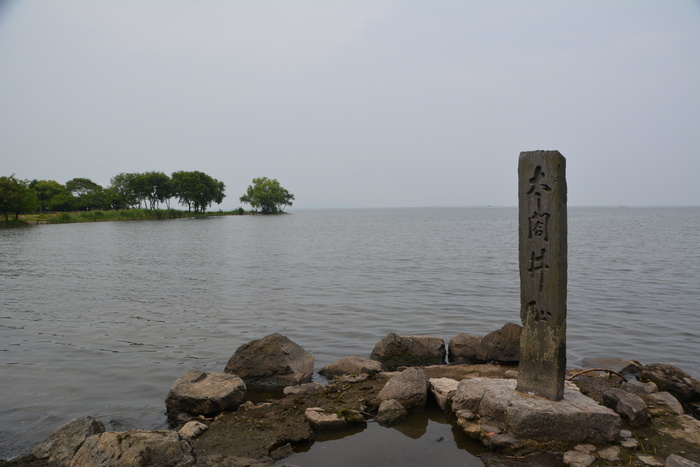
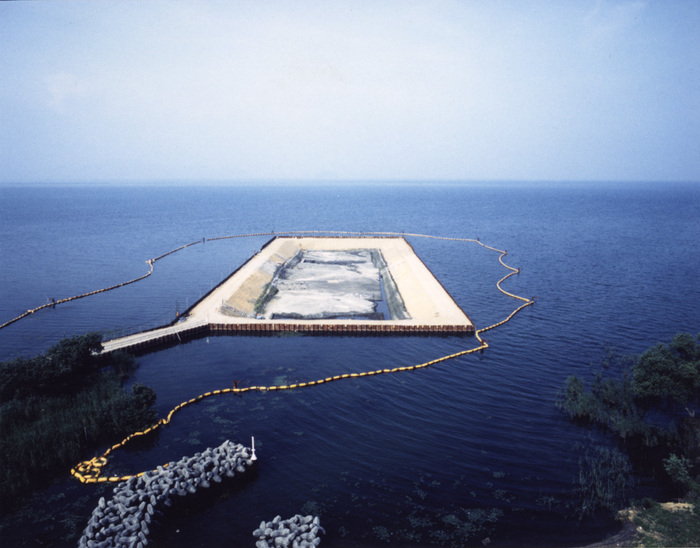
Another fascinating aspect of Lake Biwa’s history lies beneath its waters. Archaeological surveys have discovered underwater remains and lakebed archaeological sites, including traces of ancient settlements and historical artifacts. These discoveries suggest that the shoreline of Lake Biwa has shifted over time and that some ancient communities may now lie beneath the surface of the lake.
Such findings provide valuable insight into the long relationship between people and the lake, revealing how human life around Lake Biwa has evolved over thousands of years.
Today, the history of Lake Biwa can still be seen in its historic towns, temples, castles, and archaeological discoveries. Together, these elements reflect how the lake has shaped the cultural and historical identity of the Shiga region for centuries.
For visitors exploring Shiga, Lake Biwa offers not only breathtaking natural scenery but also a deep historical story that continues to unfold beneath both land and water.
Click here for Biwa Lake cruise details and reservations.