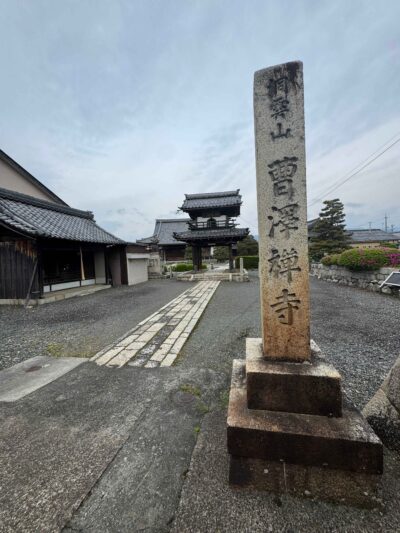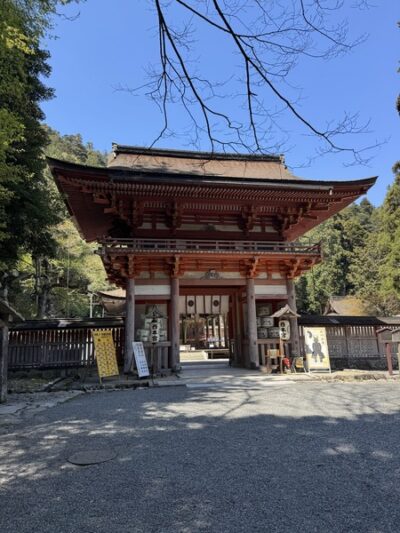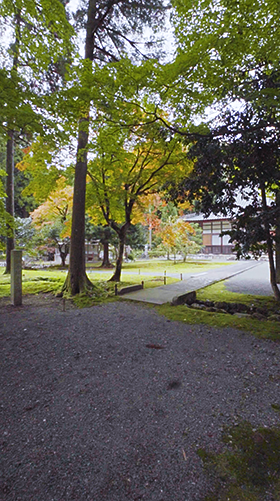
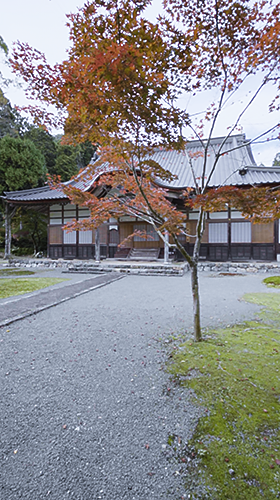
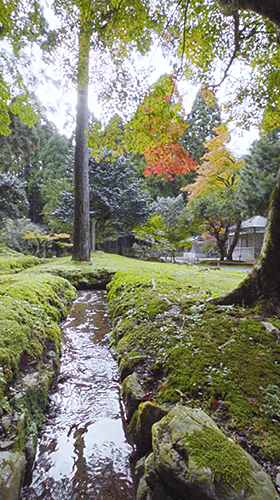
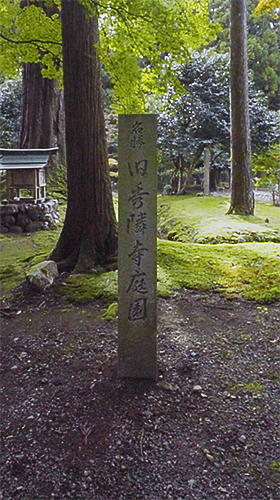
Former Shurin-ji Temple Grounds
The Shogun’s Secret Garden: Finding Sanctuary in the Mist of Kutsuki
If you find yourself overwhelmed by the vibrant but bustling streets of Kyoto, there is a place where time has moved at a different pace for five hundred years. High in the mountains of northwestern Shiga, in a misty valley called Kutsuki, lies a hidden sanctuary born from a moment of crisis and a gesture of profound loyalty.
This is the story of Koshoji Temple, formerly known as Shurin-ji, and the breathtaking garden that once comforted a fallen leader.
A Sanctuary Born from Exile
In the mid-16th century, Japan was a land of chaos. The Ashikaga Shogunate—the very rulers who commissioned Kyoto’s famous Golden and Silver Pavilions—found their power slipping away. In 1528, the 12th Shogun, Ashikaga Yoshiharu, was forced to flee the fires of Kyoto.
He sought refuge in the deep valleys of Kutsuki. Why here? Because the local lords, the Kutsuki clan, remained fiercely loyal to the Shogunate when others had turned their backs. To honor the Shogun’s arrival, a mountain villa and a magnificent garden were constructed.
This garden, now known as the Old Shurin-ji Garden, was designed to bring the refined beauty of Kyoto to the rugged mountains, providing the exiled Shogun with a sense of peace and a reminder of the capital he had lost.
The “Crane and Turtle” Garden
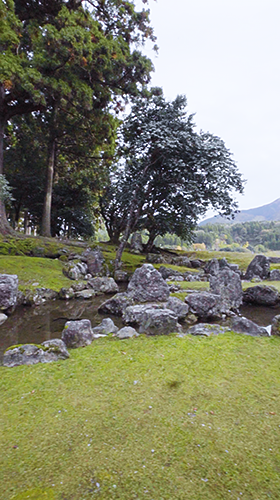
Stepping into the grounds of Koshoji today is like stepping into a living ink-wash painting. The garden is a masterpiece of the Muromachi period style, characterized by its powerful use of stone and water to represent the universe.
As you look out from the temple veranda, you will see a serene pond shaped like the heart. In the center are two distinct rock formations:
-
The Turtle Island: Symbolic of longevity and endurance.
-
The Crane Island: Symbolic of grace and the soaring spirit.
Surrounded by lush moss that glows a brilliant emerald after a mountain rain, the garden uses a technique called shakkai(borrowed scenery). The surrounding mountains of Kutsuki serve as a natural backdrop, making the garden feel as though it stretches infinitely into the wilderness.
It is said that Yoshiharu sat here for hours, watching the reflections in the pond, finding the “Zen” required to endure his years of exile.
The Beauty of the “Vanquished”
What makes a visit to Koshoji so moving for a traveler is the atmosphere of “hidden beauty.” Unlike the famous gardens of Kyoto, which were built to display power and wealth, this garden was built for solace.
The temple itself houses a rare and beautiful statue of the Jizo Bosatsu, carved from a single block of wood in the Heian period. It is designated as an Important Cultural Property of Japan. Standing before it in the quiet hall, with only the sound of a distant mountain stream and the wind through the cedars, you realize that true luxury isn’t found in gold—it is found in absolute stillness.
Why Visit Kutsuki Now?
For those visiting Kyoto, Kutsuki offers a glimpse into the “Backcountry of the Gods.” It is a place where history isn’t behind glass; it is in the moss, the stones, and the ancient cedar trees.
It is a story of resilience. Just as the Shogun found his strength here before returning to the capital, a modern traveler can find a “reset” for the soul. To walk through the Old Shurin-ji Garden is to understand the Japanese concept of wabi-sabi—finding beauty in the fleeting, the weathered, and the quiet.
Come to Kutsuki to see what the Shogun saw: a world where the mountains hold the secrets of the past, and where peace is always waiting just beyond the mist.
Travel Tips
-
Embrace the Rain: This garden is at its most magical on misty or slightly rainy days when the moss “wakes up” and the colors become impossibly deep.
-
Look for the Details: Notice the “Dry Waterfall” rock arrangement (Karesansui style within the pond garden), a sophisticated design meant to evoke the sound of water through sight alone.
-
Savor the Silence: Unlike Kyoto’s major sites, you may find you have this entire 500-year-old masterpiece to yourself.
Access
JR train and then a local bus
From Kyoto Station, take the Kosei Line “Special Rapid Service” train for about 40 minutes to Adogawa Station. Then take the Kojaku Kotsu bus “Kutsuki Line” for about 25 minutes and get off at Kutsuki Gakko-mae stop. From there, it is about a 10-minute walk to the Former Shurinji Garden
Note: Check the bus schedule beforehand as the service is very limited.
Click here for Biwa Lake cruise details and reservations.

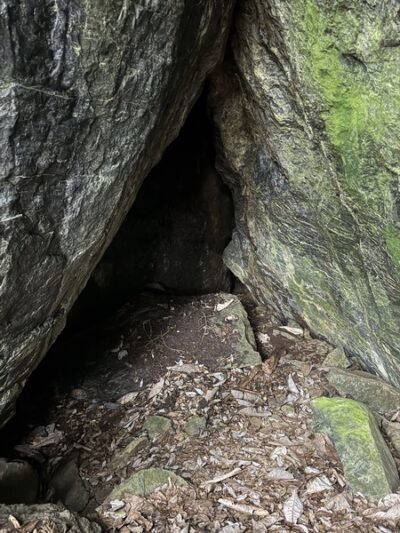
Nobunaga’s Hiding Rock