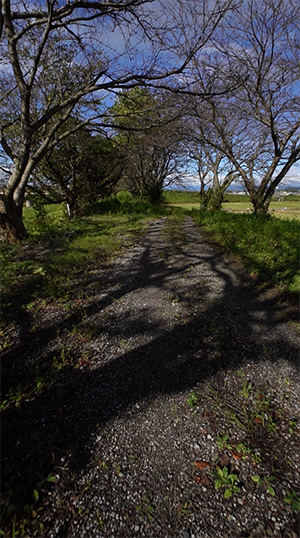
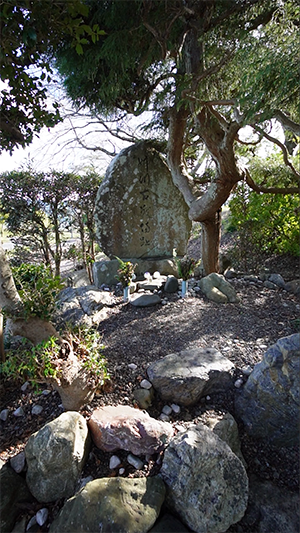
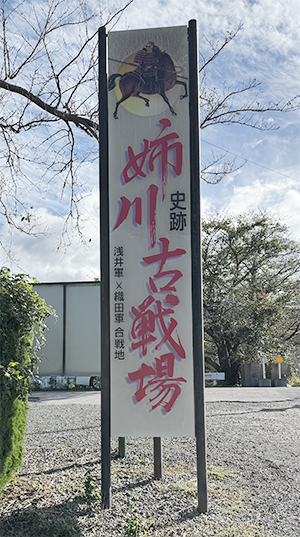
Anegawa Battlefield
The Battle of Anegawa: Walking the Field of Samurai Destiny
You have marveled at Kyoto’s elegant courtly culture and the refined stillness of its Zen gardens. But while captivated by such beauty, have you ever felt the urge to touch the fiercer, more dramatic side of this nation’s history—the stories of the warriors who truly shaped Japan?
If so, journey north from the ancient capital to the Ane-gawa River in Nagahama City, Shiga Prefecture. Today, peaceful rural landscapes stretch along these banks, but in 1570, this was the site of one of the most decisive clashes of the warring states period: the Battle of Anegawa.
Here, amidst the silence, the roars of the samurai still echo in a “field of memory” where the course of history was changed forever.
1. A Summer Morning in 1570: The “River of Blood”
Standing on the quiet plains of Nagahama, the wind passing your ears seems to carry tales from a distant age. In July 1570, two massive forces collided across this very river. On one side was the ambitious Oda Nobunaga, seeking to unify Japan, joined by the future Shogun Tokugawa Ieyasu. Facing them was the young, charismatic leader of Northern Omi, Azai Nagamasa, and the prestigious Asakura Yoshikage.
Imagine tens of thousands of soldiers charging through these shallows, the air thick with the clash of steel and spear. The battle was so fierce that legend says the river ran red with blood. If Kyoto’s temples are the pinnacle of “Stillness,” Anegawa was once the pinnacle of “Motion”—the intersection where the life and death of the samurai crossed paths.
2. Loyalty and Betrayal: A Human Drama of the Samurai
The reason the Battle of Anegawa continues to haunt the Japanese heart is not just the tactics used, but the intense human drama behind it. Nobunaga’s sister, Oichi, was married to his rival, Azai Nagamasa. This meant the battle was a tragic rupture of family ties—a conflict where brothers-in-law staked their lives against one another.
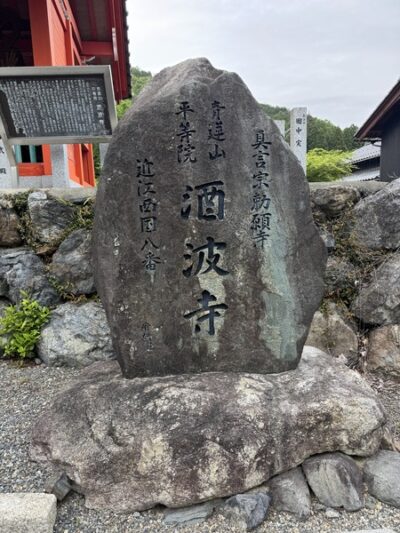
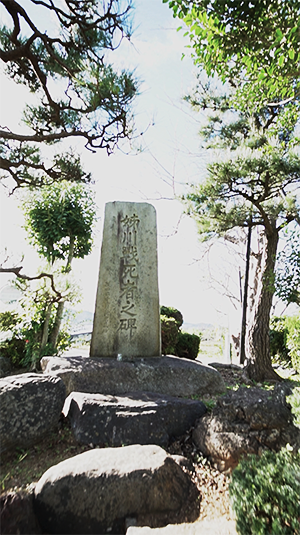
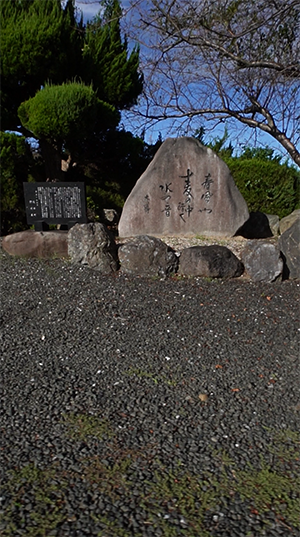
As you walk the battlefield, you will find stone monuments and markers indicating where the heaviest fighting occurred. Each spot is inscribed with the names of generals who gave their lives for their lords. While you can sense the refined spirit of Bushido (the Way of the Warrior) in Kyoto, it is by treading the soil of Anegawa that you truly understand the harsh reality from which that spirit was born.
3. Walking the “Encampments” Where History Lingers
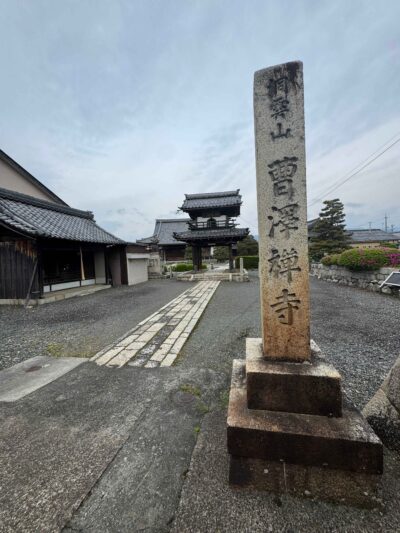
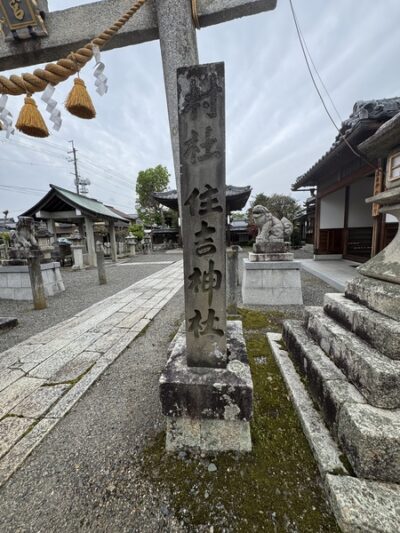
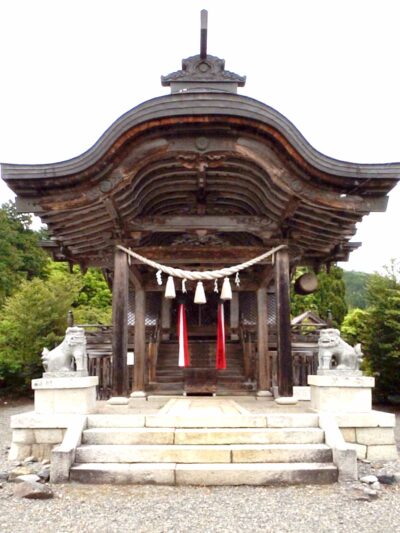
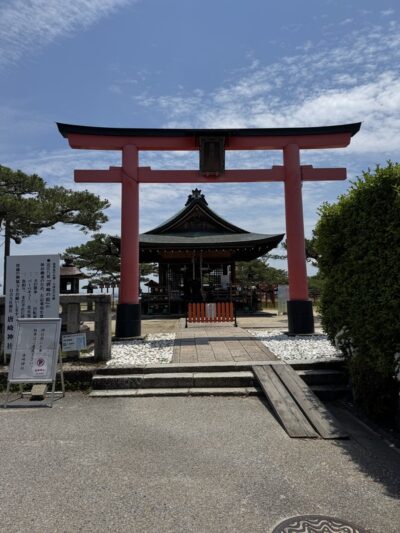
At the Anegawa battlefield, the sites where the great generals once held their headquarters are carefully preserved with small shrines and memorials. Locations such as where Tokugawa Ieyasu stationed his troops, or the area known as “Chihara” (the Field of Blood), still carry the memories of the fierce struggle in their very names.
There are no flashy tourist attractions here, but that is exactly where the true value lies. Simply gaze at the river’s flow and the distant mountains. On that day in 1570, the samurai looked upon those same peaks and heard that same water as they faced their destiny. Here, you can stand in the same perspective as the heroes of history across more than 450 years of time.
4. Travel Advice: Sharpening Your Historical Perspective
If you wish to experience Japanese history with greater depth and clarity, make a half-day trip to Nagahama from Kyoto.
-
The Mindset: Today, this area is a peaceful place of daily life. Please walk quietly and with respect for the historical traces preserved by the local community.
-
Pair it with Nagahama Castle: After visiting the riverbanks, we highly recommend the Nagahama Castle Historical Museum nearby. Seeing the detailed records of the battle and learning how it reshaped Japan will make the wind you felt on the battlefield even more meaningful.
Conclusion: To the Samurai Heartland After the Ancient Capital
A trip to Kyoto is a journey to admire the “Crystals of Culture.” A trip to the Anegawa Battlefield is a journey to touch the “Resolve of the Samurai” that supported that culture.
Close your guidebook and stand on the vast plains where heroes once chased their dreams—or saw them fade away. Listening to the gentle murmur of the Ane-gawa River, you will feel the overwhelming reality that the stories in the history books are connected to this very ground.
Access: JR Kyoto Station → JR Nagahama Station and then bus
Will you come and feel the same wind that the samurai felt 450 years ago?
Click here for Biwa Lake cruise details and reservations.

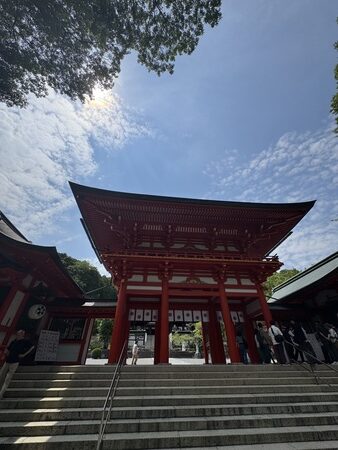
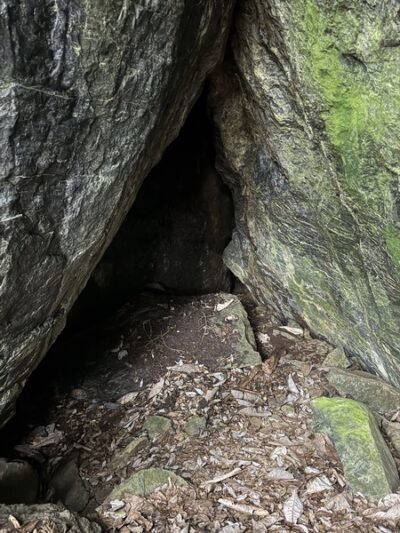
Nobunaga’s Hiding Rock