Mt.Ibuki
Mt. Ibuki: Ascending the Gateway to Japan’s Ancient Spirit
You have wandered through the grand temples of Kyoto and strolled the silent paths lined with thousands of vermilion gates. Yet, even as the weight of that history moves you, do you find yourself longing for something more? Do you crave a beauty that transcends the man-made—a glimpse into the raw, primordial soul of Japan?
If so, leave the bustle of the old capital behind and look toward the horizon at Mt. Ibuki. Standing at 1,377 meters, the highest peak in Shiga Prefecture is far more than a hiking destination. It is a “living sanctuary” where myth, ancient medicine, and celestial flora intertwine.
1. The Land Where the Gods Descended
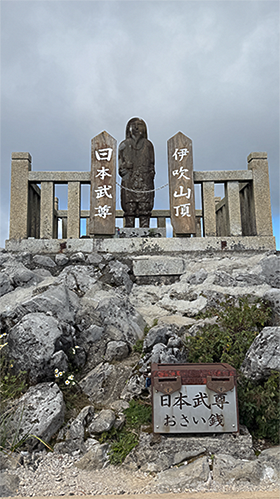
The story of Mt. Ibuki stretches back over 1,300 years to the Kojiki, Japan’s oldest chronicle. Legend tells of the legendary hero Prince Yamato Takeru, who ascended this peak to confront and subdue a fierce deity residing within the mountain.
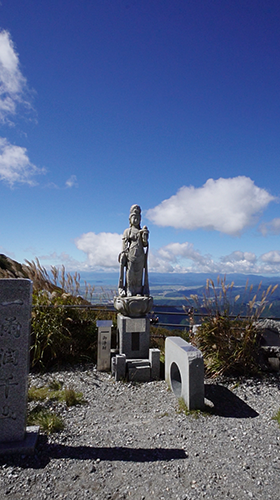
At the summit, a statue of a white boar—the manifestation of that deity—still stands, gazing silently over Lake Biwa. While Kyoto’s temples represent the “form of human prayer,” Mt. Ibuki is the “form of the divine” that existed long before those prayers began. Listening to the wind howling across the ridges, you will understand without words why ancient people viewed this mountain with such profound awe.
2. Oda Nobunaga’s Celestial Herb Garden
In the medieval era, the great unifier Oda Nobunaga was also captivated by this peak. Recognizing the mountain’s extraordinary biodiversity, he is said to have established a vast medicinal herb garden here.
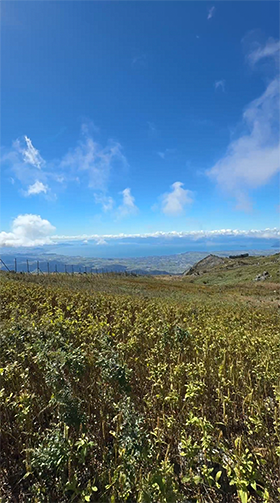
Mt. Ibuki remains one of Japan’s most significant botanical treasure troves. Its unique limestone geology has nurtured endemic species found nowhere else on Earth. As you walk the mountain paths, the ground beneath your feet transforms with the seasons. In summer, the alpine flower fields near the summit burst into a symphony of pink, yellow, and purple. To wander here is to feel as though you’ve stepped into a garden in the sky—a place of healing that has offered solace to weary travelers for centuries.
3. A 360-Degree Panorama: Lake Biwa in the Palm of Your Hand
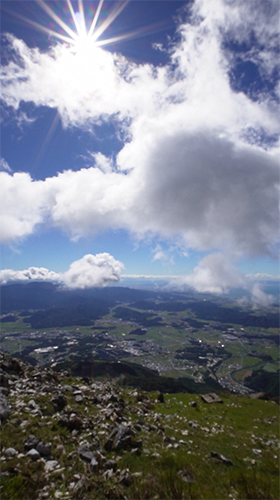
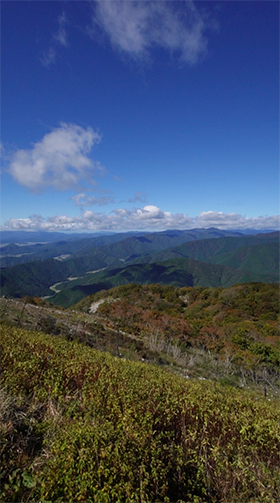
The true climax of Mt. Ibuki is the overwhelming vista from the summit. With nothing to obstruct your view, the entirety of Lake Biwa—Japan’s largest lake—stretches out before you. You will see the water shimmering like silver in the sunlight, framed by the silhouettes of the surrounding mountains. On a clear day, the gaze extends even further, reaching the jagged peaks of the Northern Alps and the distant glimmer of the Pacific coast.
In contrast to the “protected silence” of the Kyoto basin, the summit of Mt. Ibuki offers “liberated freedom.” Here, the sky is close, and the clouds drift at eye level. This sheer scale of perspective will add a profound new dimension to your memories of Japan.
4. Gifts Born from Harsh Nature
Mt. Ibuki also possesses a formidable winter identity, once holding the world record for the deepest snowfall. Yet, it is this very snow that creates the pure, meltwater springs that nourish the villages below, producing exquisite sake and buckwheat soba.
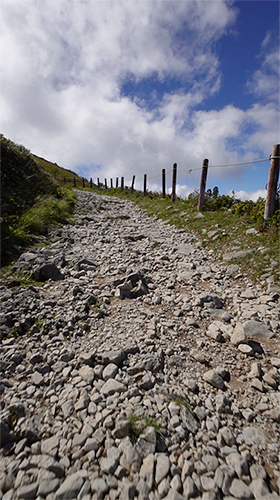
By walking these trails, smelling the earth, and breathing the thin, crisp air, you connect with a cycle of life that has remained unchanged for a millennium. If you are tired of trips that simply “check boxes” on a list, come to this mountain. Here, you will find the original landscape of Japan.
Conclusion: From the Ancient Capital to the Garden in the Sky
A journey through Kyoto is a journey to understand Japan’s culture. A journey to Mt. Ibuki is a journey to touch Japan’s vitality.
Close your guidebook and stand upon the heights where ancient gods and samurai warlords once trod. Gazing down at the vast blue of Lake Biwa, you will rediscover yourself as a part of this grand, natural world.
Are you ready to see the world through the eyes of Yamato Takeru?
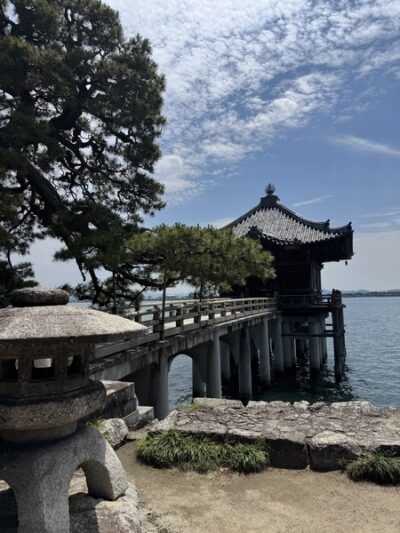
Click here for Biwa Lake cruise details and reservations.

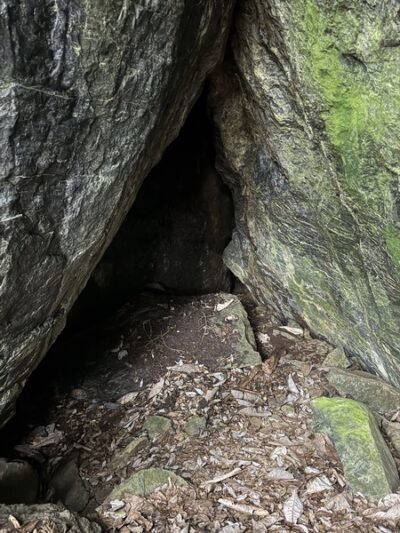
Nobunaga’s Hiding Rock