Mishima Shrine
Mishima Jinja Shrine: A Sanctuary Where Your Soul Meets the Divine
Kyoto is a city of dazzling temples and the endless vermilion corridors of Fushimi Inari. Yet, even as you are overwhelmed by such beauty, do you find yourself longing for a place of absolute stillness—a place where no one else lingers, and you can simply exist in dialogue with the divine?
If so, a journey of just 20 minutes by Shinkansen will take you there. Nestled in a quiet corner of Maibara, Shiga Prefecture, lies Mishima Jinja Shrine. This is not a place “staged” for tourism; it is a sanctuary where local prayers have soaked into the earth for over 700 years, offering a rare encounter with the true spiritual heart of Japan.
1. The Guardian of Water, Watching Over Seven Centuries
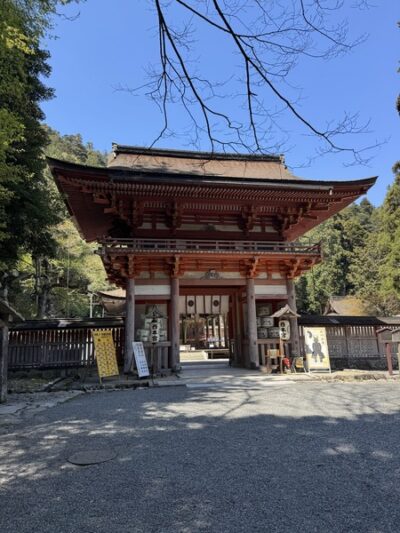
Leaving the bustle of Kyoto behind, you arrive at the Shiga countryside. As you approach the shrine, a solemn grove of ancient trees suddenly appears—this is Mishima Jinja.
The shrine’s history stretches back to the 13th century (the Kamakura period). When the expansive Mishima Pond was hand-carved to provide irrigation for the surrounding fields, this shrine was established to house the guardian deity of the water and to pray for the prosperity of the local harvests.
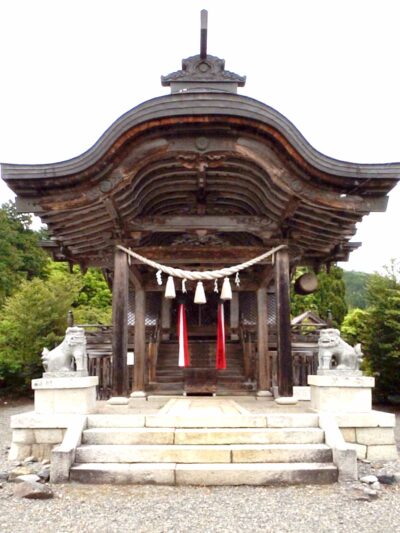
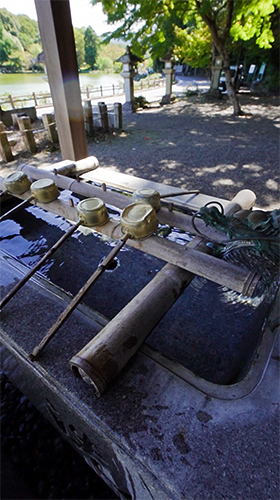
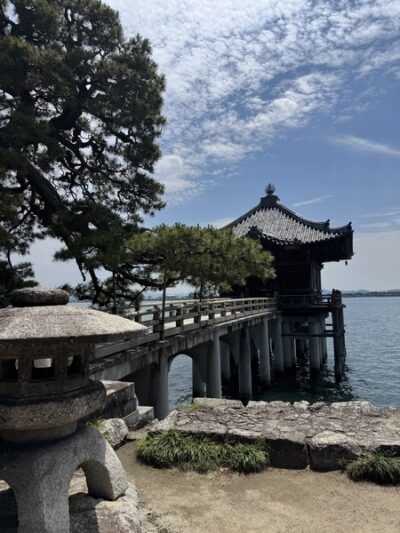
You will find no flashy gold leaf here, nor long queues at amulet stalls. Instead, there are moss-covered stone lanterns, towering trees that have stood for centuries, and the faint, peaceful scent of incense. Stepping into these grounds, you will feel the “noise” of modern life begin to dissolve.
2. A Masterpiece Formed by Mt. Ibuki and the Torii Gate
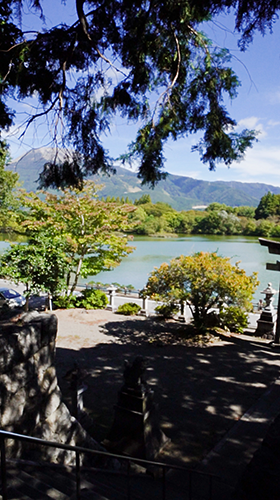
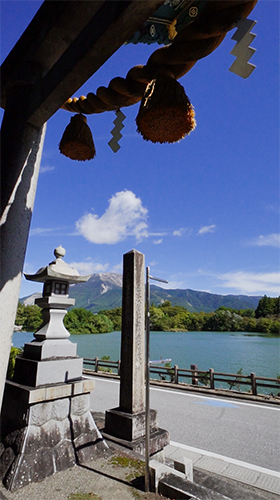
The greatest allure of Mishima Jinja lies in its breathtaking location. Standing directly behind the shrine is Mt. Ibuki, the highest peak in Shiga (1,377m), rising like the shrine’s own guardian deity.
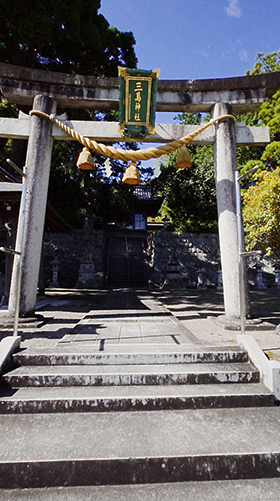
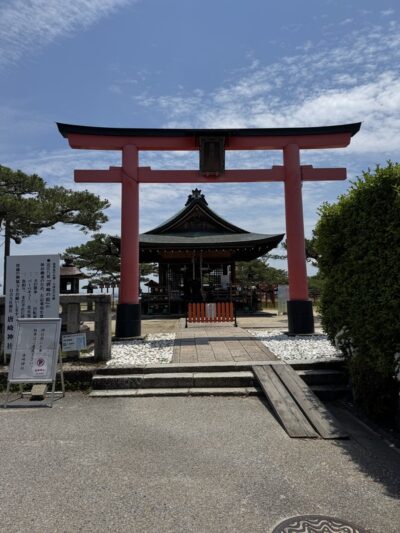
The most iconic sight is the torii gate standing at the water’s edge. In the moments when the wind holds its breath, the pond transforms into a massive liquid mirror, reflecting Mt. Ibuki upside down on its surface. This view—known as “Sakasa Ibuki”—speaks more eloquently than words of the Japanese spirit, which has long revered nature itself as divine.
While Kyoto’s gardens represent “beauty crafted by human hands,” the view from Mishima Jinja represents “beauty as the dwelling of the gods.” To have this view entirely to yourself is a luxury that famous tourist sites simply cannot offer.
3. Reclaiming Yourself in the Stillness
As you wander through the shrine grounds, you can feel the pulse of a rich natural world that was designated a National Natural Monument in 1935. You hear the rhythmic beating of waterfowl wings and the gentle rustle of the treetops.
Here, the silence is so profound that you might even hesitate to click your camera shutter. Sitting on a bench, simply gazing at the mountain and the water, becomes an act of mindfulness—perhaps the most difficult yet valuable experience in modern travel.
4. Travel Advice: For a Seamless Visit
If you aren’t tired of Kyoto but simply find yourself craving a moment of profound peace, plan to visit this sanctuary during a free morning.
-
Access: JR Kyoto Station → JR Nagahama Station. (After getting off at Omi-Nagaoka Station, take a local bus or a short taxi ride to reach the shrine.)
-
Best Time: The morning is ideal. This is when the light hits the mountain most beautifully and the air is often stillest, giving you the best chance to see the famous reflection.
-
Side Trip: After your visit, travel about 10 minutes by car to Samegai, a historic post-town. The sight of crystal-clear spring water flowing through the village canals will deepen the impression of purity you felt at Mishima Jinja.
Conclusion: Close the Guidebook and Find Your Soul
A trip to Kyoto is a journey to learn about Japan’s history. A trip to Mishima Jinja is a journey to breathe in Japan’s soul.
If you are tired of the “checklist” style of travel, step off the beaten path. When you stand before the reflection of Mt. Ibuki through the ancient gate, you will finally feel, from the bottom of your heart, that you have truly arrived in Japan.
Click here for Biwa Lake cruise details and reservations.

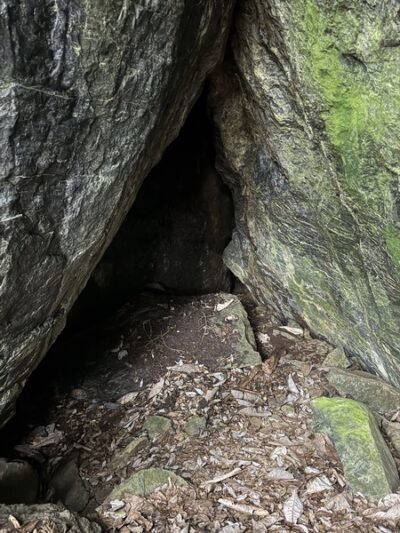
Nobunaga’s Hiding Rock