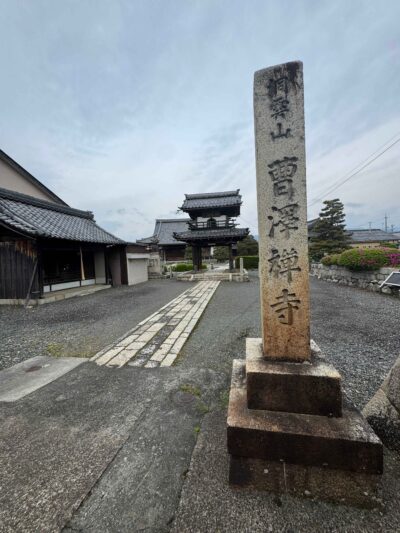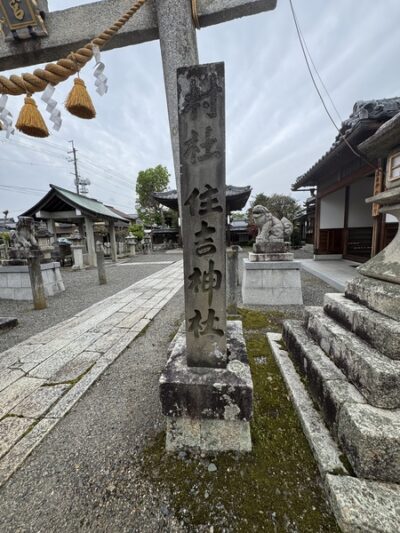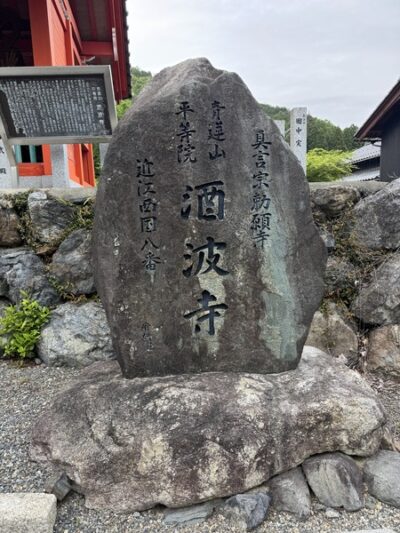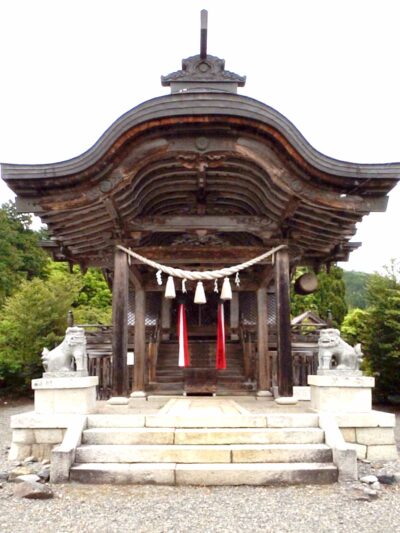
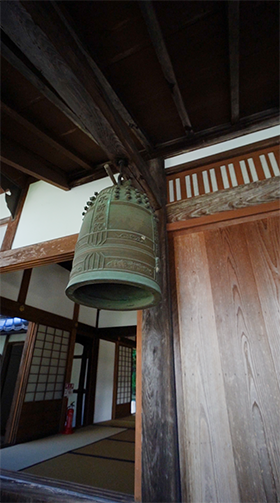
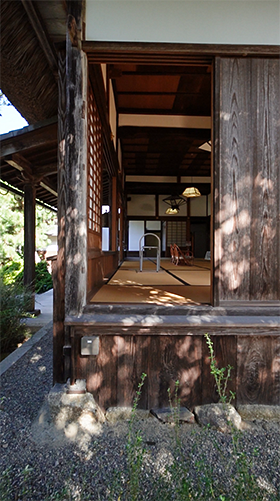
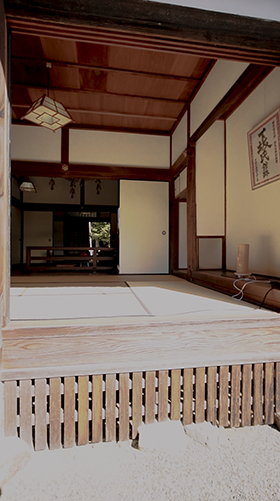
Fudanko-in Temple
Fudankoin Temple: A Sanctuary of Eternal Light and Absolute Stillness
You have wandered through the grand temples of Kyoto and walked the silent paths of the thousands of vermilion gates. Yet, even as you are moved by the weight of that history, do you find yourself searching for something more? Do you long for a place completely detached from the clamor of tourist guides—a sanctuary where it is just you and the divine in a quiet dialogue?
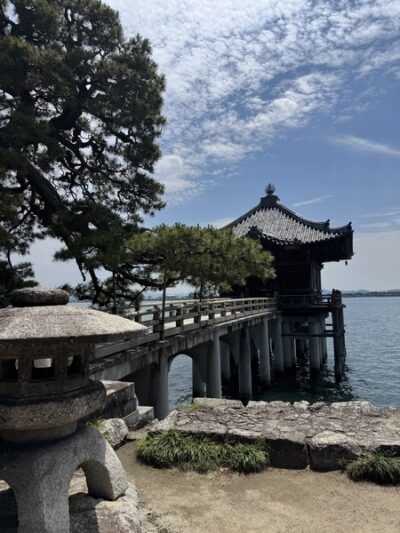
If so, leave the ancient capital behind and take a train to the north. Located on the shores of Lake Biwa in Nagahama City, Shiga Prefecture, lies Fudankoin Temple. This is a sacred space that eschews flashy displays, having faithfully preserved “prayer and silence” for centuries.
1. To the Shores of Lake Biwa, Where Memories of Prayer Dwell
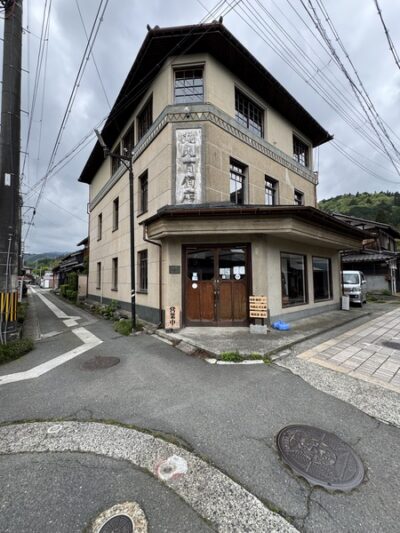
Leaving the bustle of Kyoto, you head toward the land of Northern Omi (Nagahama). While Nagahama is a historic city where the warlord Toyotomi Hideyoshi once built his castle, Fudankoin is nestled in a peaceful area away from that excitement, where a gentle air flows.
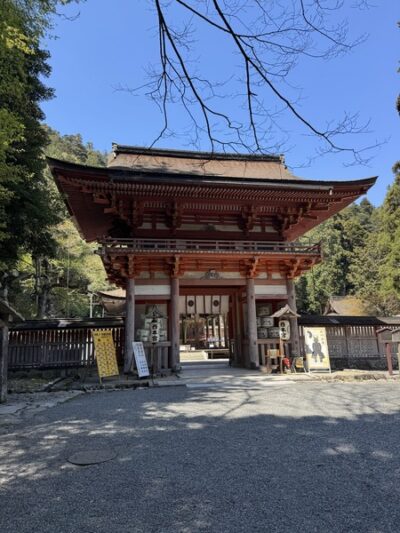
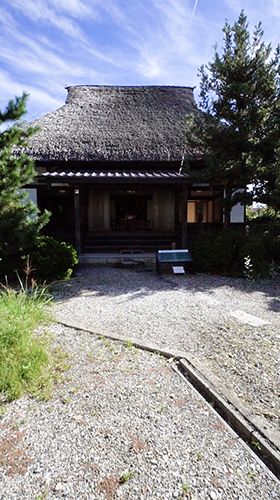
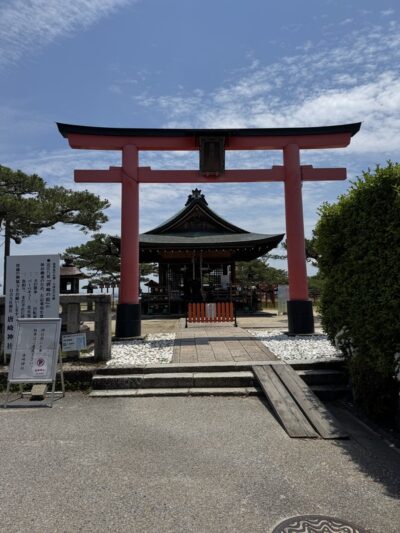
The origins of this temple are ancient, and it has long gathered the faith of the local people as a temple of the Jodo Shu (Pure Land) sect. Stepping through the gate, you won’t find a garden manicured specifically for tourists. Instead, you will find the “sacredness of the everyday”—a place where generations of people have pressed their hands together in prayer. With sunlight filtering through the trees onto stone paths and a meticulously kept main hall, the time here flows to a rhythm entirely different from the clocks of the city.
2. A Music Called Silence Echoing in the Main Hall
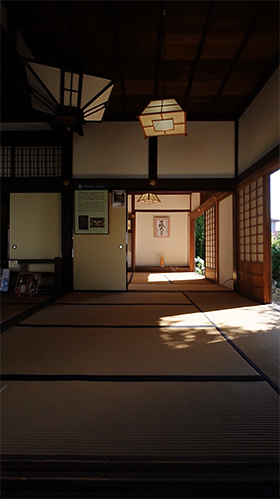
As you step into the main hall, the heart of Fudankoin, a crisp, cool air envelops your body. What stands out most is the dignified beauty of the interior. This is a space stripped of excess decoration, built solely for the act of prayer.
As you look up at the ceiling and sit in silence, you will begin to feel as if the sound of your own breath and the distant whisper of the wind are part of a single piece of music. Capturing the exterior of Kyoto’s temples in photographs is wonderful, but the time spent “simply sitting” at Fudankoin will transform your travel memories from “external sightseeing” into an “internal dialogue.” Between the scent of aged wood and the faint aroma of incense, your senses will sharpen—an experience that is among the most luxurious in modern travel.
3. Harmony of History and Nature: The Philosophy of “Virtue”
Historically, Fudankoin has walked alongside the virtuous and deeply faithful people of this region. As the word Fudan(meaning “unceasing” or “eternal”) in the temple’s name suggests, the spirit of offering continuous prayer and delivering “Light” (the mercy of Buddha) to the people still lives in every corner of the building.
The view from the windows is not extravagant, but it faithfully conveys the shifting of the seasons: the soft light of spring, the deep greenery of summer, and the gentle sun of autumn. The way nature and architecture become one, soothing the hearts of those who visit, teaches the essence of Wabi-sabi—the Japanese aesthetic of impermanence and rustic simplicity—without the need for words.
4. Travel Advice: A Half-Day Journey to Reset Your Soul
If you love the culture of Kyoto but crave a more private, personal encounter with Japan, visit Fudankoin on a quiet morning.
-
Mindset: This is not a tourist facility; it is a place of practice and prayer where faith is very much alive. Before reaching for your camera, offer a bow to the main deity and spend some time in silence. This is the secret to enjoying the depth of this sanctuary.
-
Exploring Nagahama: After your visit, consider strolling through the old streets of Nagahama, such as the Kurokabe Square. Walking through the former castle town with the peaceful heart you cultivated at Fudankoin will make the scenery appear even deeper and more vivid.
Conclusion: Close the Guidebook and Heal Your Spirit
A trip to Kyoto is a journey to know the “flowers of history.” A trip to Fudankoin is a journey to know the “depths of silence.”
When you grow tired of checking off boxes on a famous list, stretch your journey further to Nagahama overlooking Lake Biwa. When you close your eyes in the quiet air of Fudankoin, you will encounter a true peace of mind that you didn’t even realize you were seeking.
Access: JR Kyoto Station → JR Tamura Station → on foot
Why not carve out a moment of profound silence for yourself in the serene sanctuary of Northern Omi?
Click here for Biwa Lake cruise details and reservations.

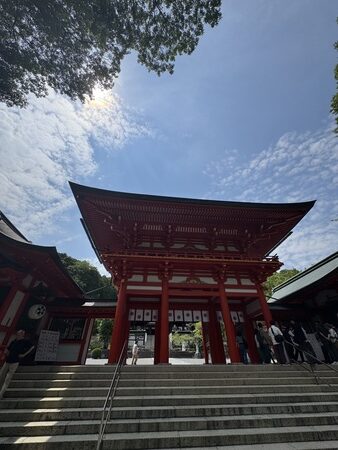
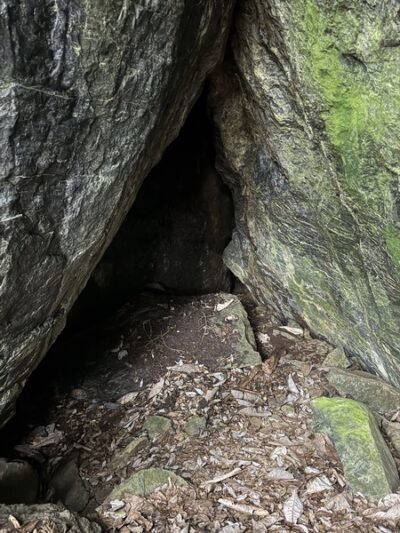
Nobunaga’s Hiding Rock