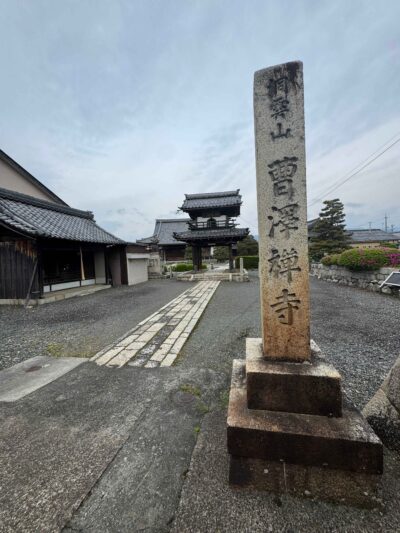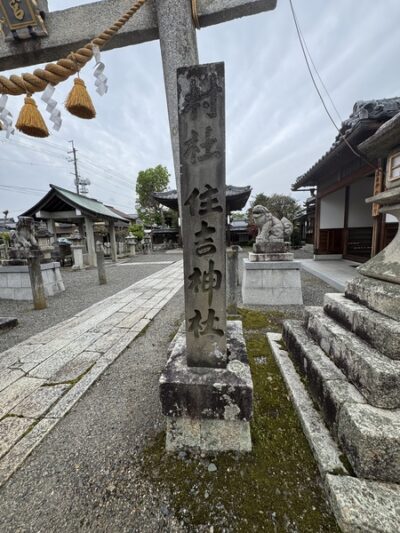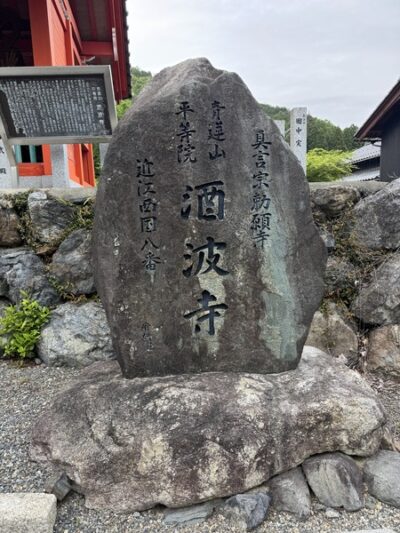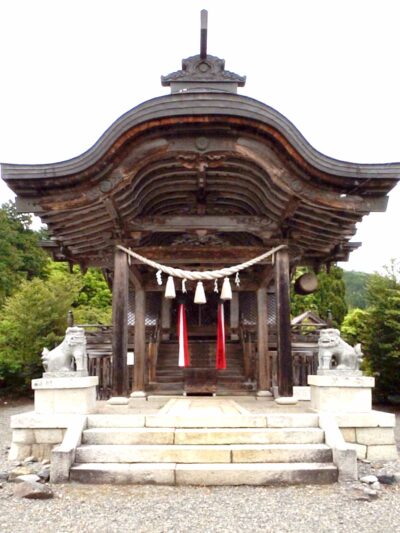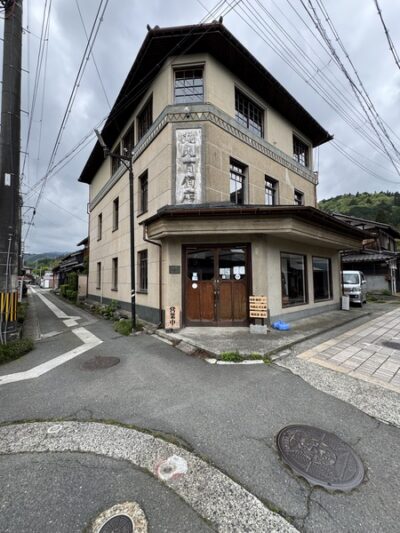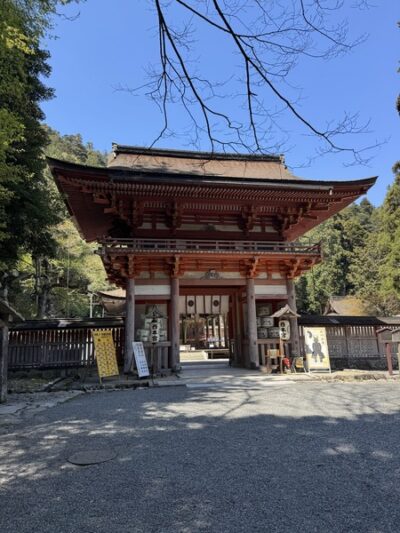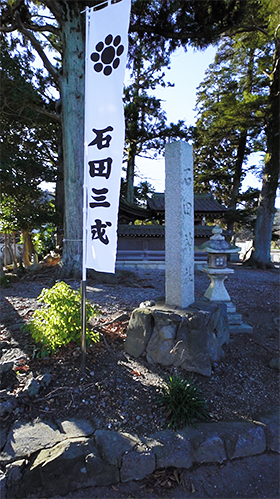
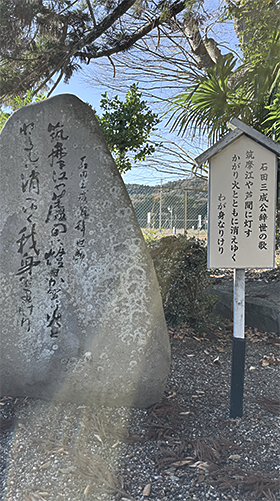
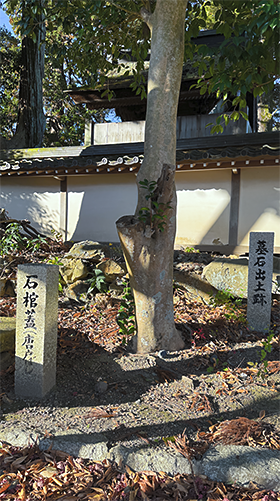
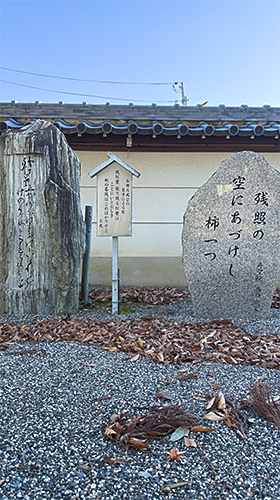
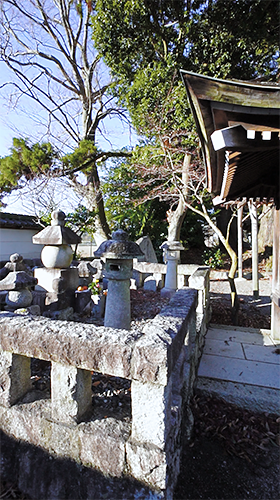
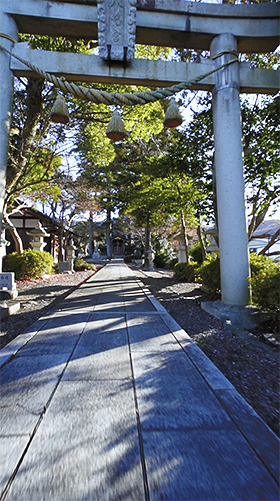
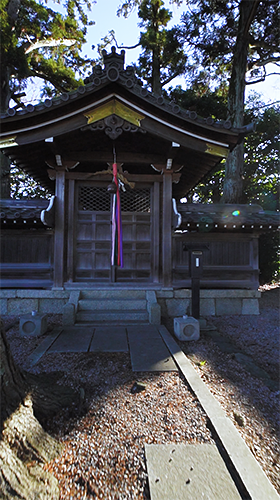
Historic sites connected to Ishida Mitsunari
Beyond Kyoto: The Untold Saga of Ishida Mitsunari — The Samurai Who Chose Loyalty Over Life
After immersing yourself in the radiant temples and shrines of Kyoto, if you find yourself longing to touch the “true spirit of Japan,” journey just a little further north. In Nagahama City, Shiga Prefecture, lies the quiet legacy of Ishida Mitsunari, a brilliant strategist whose story continues to stir the hearts of Japanese people even after 400 years.
To the world, he is often remembered as the tragic figure who defied the legendary Tokugawa Ieyasu and left his name in history as a “loser.” But to the people of Nagahama, he was never merely a defeated general. He was a man of profound intellect, unmatched integrity, and a “Gi” (Justice/Honor) so deep he remained loyal to his lord until the very end. We invite you on a journey to the roots of Mitsunari’s soul.
#SamuraiLegends | Ishida Mitsunari: The Strategist Who Lived for Honor
Chapter 1: The Fateful Encounter at Kannon-ji – “The Three Cups of Tea”
The story begins at Kannon-ji Temple, an ancient, serene sanctuary nestled at the foot of a mountain in Nagahama.
In his youth, Mitsunari (then known as Sakichi) was an acolyte in training at this temple. One sweltering day, the great general Hashiba Hideyoshi (later Toyotomi Hideyoshi) stopped by the temple, parched from a day of hawk hunting. The young Mitsunari served him what is now famously known as the “Sankon-cha” (Three Cups of Tea):
-
The First Cup: A large bowl filled with lukewarm tea, served so Hideyoshi could gulp it down and instantly quench his thirst.
-
The Second Cup: A slightly hotter tea, served in a half-full bowl, so he could begin to savor the flavor.
-
The Third Cup: A small bowl of hot tea, so he could enjoy the rich aroma and heat with his final sip.
Deeply moved by the boy’s extraordinary attentiveness and ability to anticipate his needs through the tea’s temperature and volume, Hideyoshi immediately took Mitsunari into his service. From this single gesture of hospitality, the destinies of two men who would change Japan were entwined.
Chapter 2: Ishida-cho – The Pride of a Clan and Sincerity
Walking through Ishida-cho, Mitsunari’s birthplace, you can feel how deeply he loved his hometown—and how much the people loved him back.
Today, a memorial tower for the Ishida family stands on the site of his former residence. Mitsunari was known for his stoic and incorruptible character, loathing any form of bribery or injustice. As a lord, he implemented fair tax systems and prioritized the lives of his people. It is said that even after Mitsunari was defeated and executed, the local people defied the strict surveillance of the Tokugawa Shogunate to secretly continue praying for his soul.
There are no flashy tourist decorations here. Instead, the profound silence speaks volumes about the purity of the convictions he died to protect.
Chapter 3: Sawa-yama Castle – The Phantom Utopia
Near Nagahama lies the ruins of Sawa-yama Castle, Mitsunari’s former seat of power. At the time, people sang: “Two things are too good for Mitsunari: his brilliant strategist Shima Sakon and the castle of Sawa-yama.”
However, when the victorious Tokugawa generals entered the castle after Mitsunari’s fall, they were stunned. Despite its reputation, the interior was shockingly simple. The walls were rough, there were no opulent decorations, and the living quarters were incredibly humble. Mitsunari never hoarded wealth for himself; he spent everything to support the Toyotomi family and the stability of the nation. That spirit of absolute self-sacrifice is etched into the very soil of these ruins.
Why Visit “Mitsunari” Now?
After experiencing the golden splendor of Kinkaku-ji or the iconic views of Kiyomizu-dera in Kyoto, the story of Mitsunari in Nagahama adds a layer of profound emotion to your journey.
This is not a story of a “winner,” but of a man who risked everything to fight for the justice he believed in, even when the odds were stacked against him. He embodies the spirit of Hangan-biiki—the Japanese cultural tendency to sympathize with and love those who are sincere yet unrewarded.
As you stand in the gentle breeze of Nagahama and gaze upon Mt. Ibuki, just as Mitsunari once did, you will find that after 400 years, the scent of his unwavering integrity remains as clear and crisp as ever.
#HiddenLegacyJapan | Travel Advice
-
Immerse in the Stillness of Kannon-ji: Unlike the crowded temples of Kyoto, here you can enjoy the luxury of feeling the breath of history all by yourself.
-
Learn the Spirit of “Gi”: Visit the Ishida Hall (at his birthplace) to trace the life of the man often called Japan’s greatest strategist.
A samurai is not merely one who wields a sword. A true samurai is one who loves his lord, his people, and his own convictions until the end. In Nagahama, find the image of the “True Samurai” that speaks to your heart.
Access
JR Kyoto Station → (JR Biwako Line / Shinkansen to Maibara) → Nagahama Station → (Bus/Taxi) → Ishida-cho
Click here for Biwa Lake cruise details and reservations.

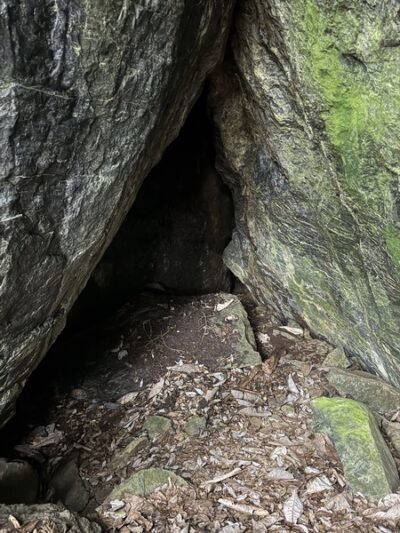
Nobunaga’s Hiding Rock