Onyu Pass
Above the Clouds: A Journey to Onyu Pass, the Gateway of Mist and Autumn Gold
If you have spent your days in Kyoto wandering through the refined gardens of the Imperial Palace or the crimson-filtered light of Tofuku-ji, you have seen the elegance of Japan’s history. But to see the raw, majestic soul of the Japanese landscape, you must look north, toward the mountains that separate the ancient capital from the Sea of Japan.
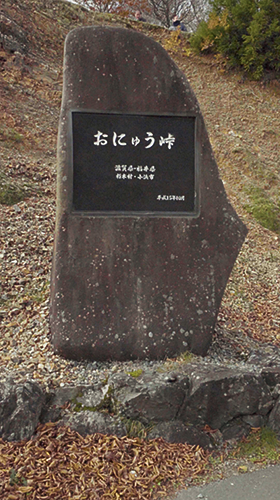
High in the northern reaches of Takashima City, Shiga Prefecture, lies Onyu Pass (Onyu-toge). It is not a place of temples or shrines, but a celestial theater where nature performs its most spectacular show: the “Sea of Clouds” (Unkai).
A Path Through Time and Fog
The road to Onyu Pass follows an ancient trail known as the Saba-kaido (Mackerel Road). For centuries, this was the vital artery that brought fresh seafood from the northern coast to the Emperor’s table in Kyoto. Travelers and merchants once braved these steep ridges on foot, navigating the dense forests and treacherous mists.
Today, the pass has become a pilgrimage site for those who seek a beauty that feels “otherworldly.” As you ascend the winding mountain road, the world below begins to vanish. The air turns crisp, the scent of cedar and damp earth intensifies, and suddenly, you find yourself standing on the edge of the sky.
The Celestial Ocean
The true magic of Onyu Pass happens in the early hours of autumn. As the sun begins to crest the distant peaks, a thick, white blanket of fog rolls into the valley below, transforming the landscape into a mythical white ocean.
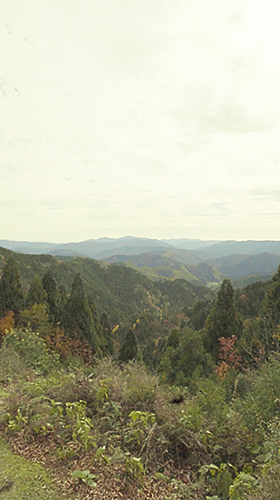
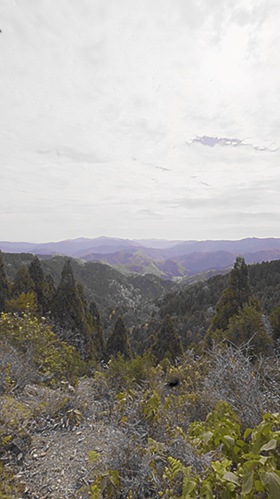
Standing at the summit—820 meters above sea level—you are no longer a mere spectator; you are above the world. The peaks of the surrounding mountains rise through the white mist like islands in a frozen sea. When the first rays of sunlight hit the fog, the entire valley glows with a soft, golden radiance. It is a moment of profound silence, broken only by the sound of the wind. This is the Japan of ancient legends—the birthplace of mountain spirits.
The Tapestry of Autumn Gold
While the Sea of Clouds is the star of the morning, the mountain itself provides the perfect supporting cast. In late October and November, the Onyudani valley transforms into a vibrant tapestry of color.
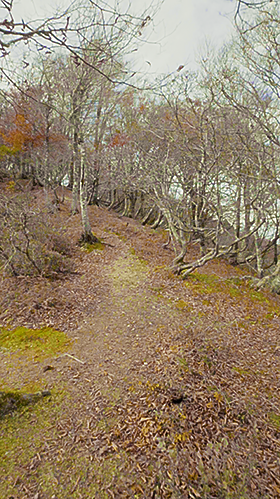
The beech and maple trees that line the winding forest road turn brilliant shades of orange, deep crimson, and pale gold. The contrast between the fiery autumn foliage and the ethereal white mist creates a scene so photogenic that it has become a “holy grail” for landscape photographers across Japan. The road itself, with its graceful, serpentine curves, adds a sense of artistic flow to the rugged mountain scenery.
Why Visit Onyu Pass Now?
Most travelers stay within the city limits of Kyoto, seeing the beauty that humans have curated. By venturing to Onyu Pass, you are experiencing the untamed power of the Japanese wilderness.
It is a place that demands patience and rewards the adventurous. To stand at the pass is to feel the transition between two worlds: the mountains of Shiga and the sea of Fukui. It is a reminder that Japan’s beauty isn’t just in its architecture, but in the fleeting moments where the earth, the air, and the light align perfectly.
If you are looking for the “ultimate” autumn memory—one that few tourists ever see—set your alarm early, leave the city lights behind, and climb toward the clouds.
Travel Tips for the Explorer
-
Timing is Everything: The “Sea of Clouds” is most likely to appear on clear, cold mornings with little wind, particularly from October to late November.
-
The Golden Hour: Aim to arrive just before sunrise. Watching the colors change from deep blue to vibrant gold is the highlight of the experience.
-
Layer Up: Even if Kyoto is mild, the temperature at the summit of Onyu Pass is significantly colder. Bring warm layers and a thermos of hot tea to savor as you watch the mist roll in.
-
Respect the Silence: You will likely find serious photographers lined up with tripods. The atmosphere is one of quiet reverence—perfect for a morning of meditation.
Click here for Biwa Lake cruise details and reservations.

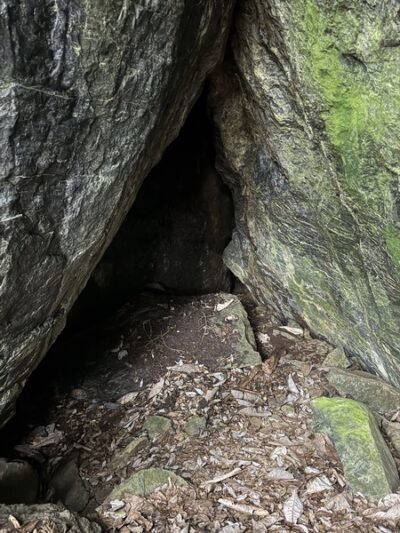
Nobunaga’s Hiding Rock