Genji-hama: Lake Biwa’s Quiet Field of Red Spider Lilies
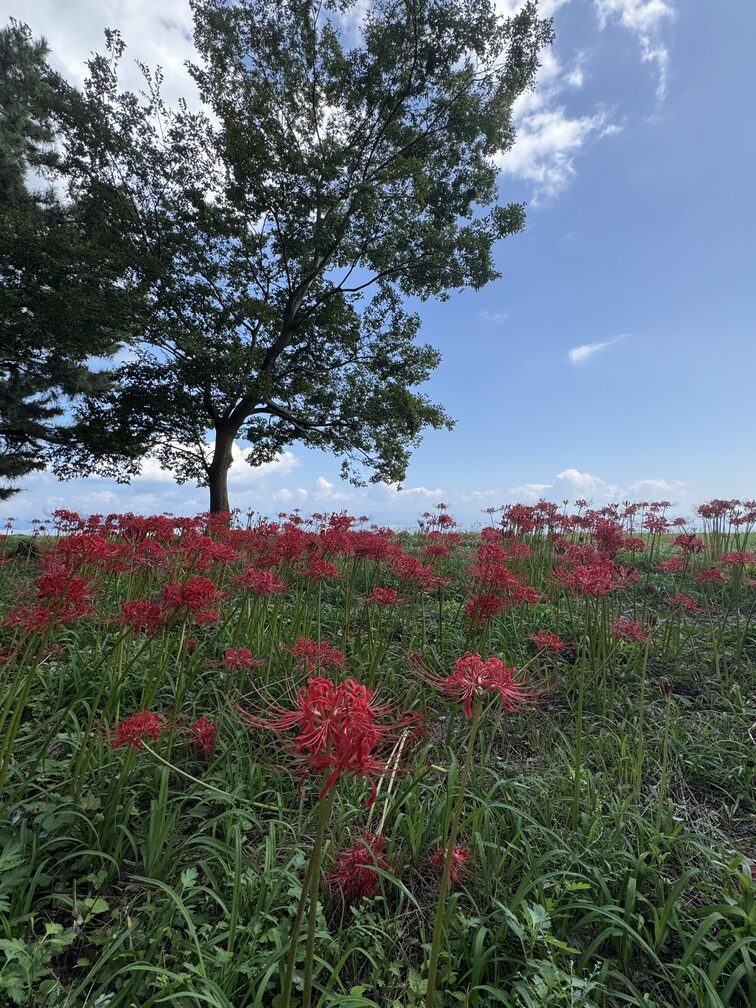
Every autumn, a narrow stretch of Lake Biwa’s western shore turns crimson as thousands of red spider lilies bloom. Genji-hama is the quiet alternative to Shiga’s crowded flower spots — a place to watch the sun rise over the lake through a field of red. Here’s when to go, and how to reach it.
A field of red that most people miss
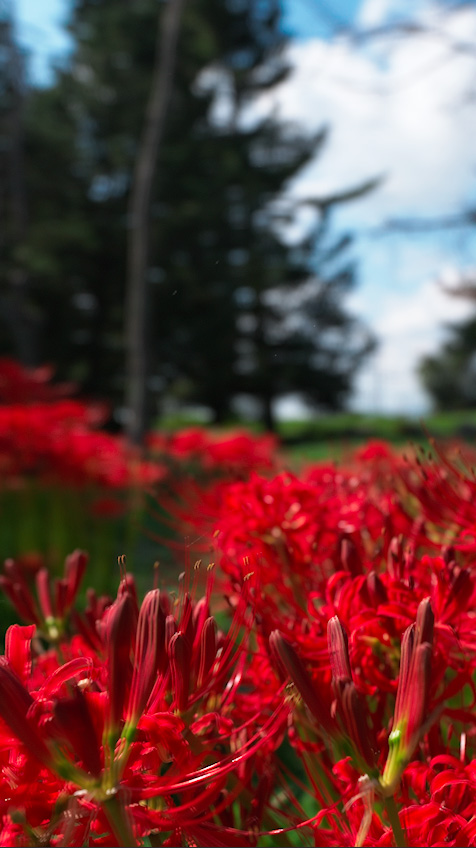
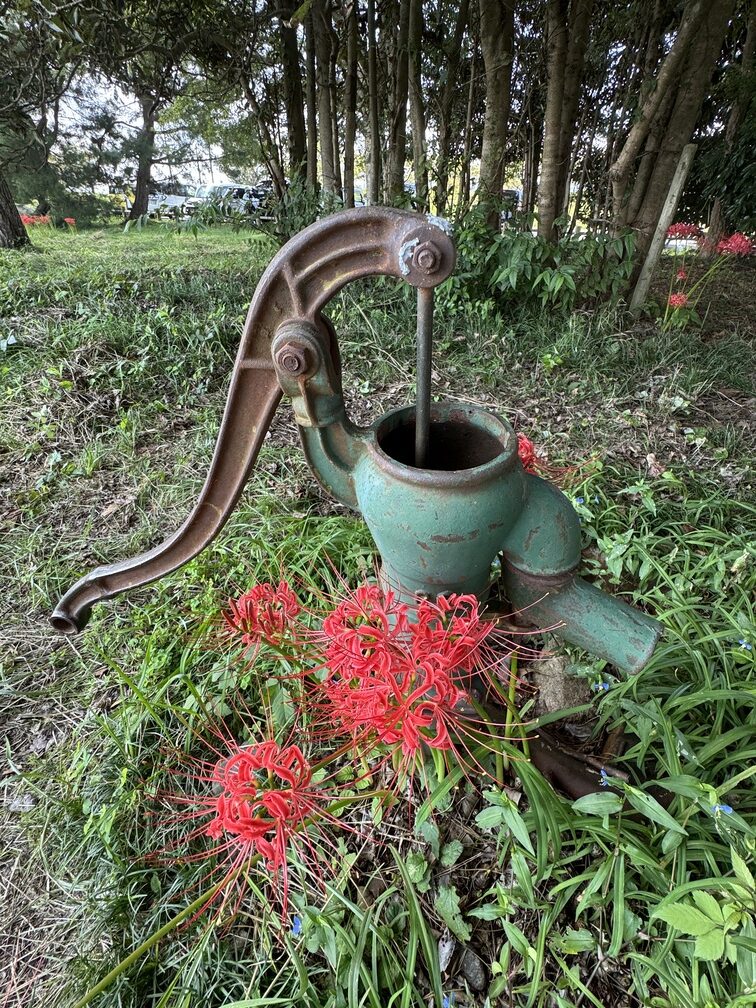
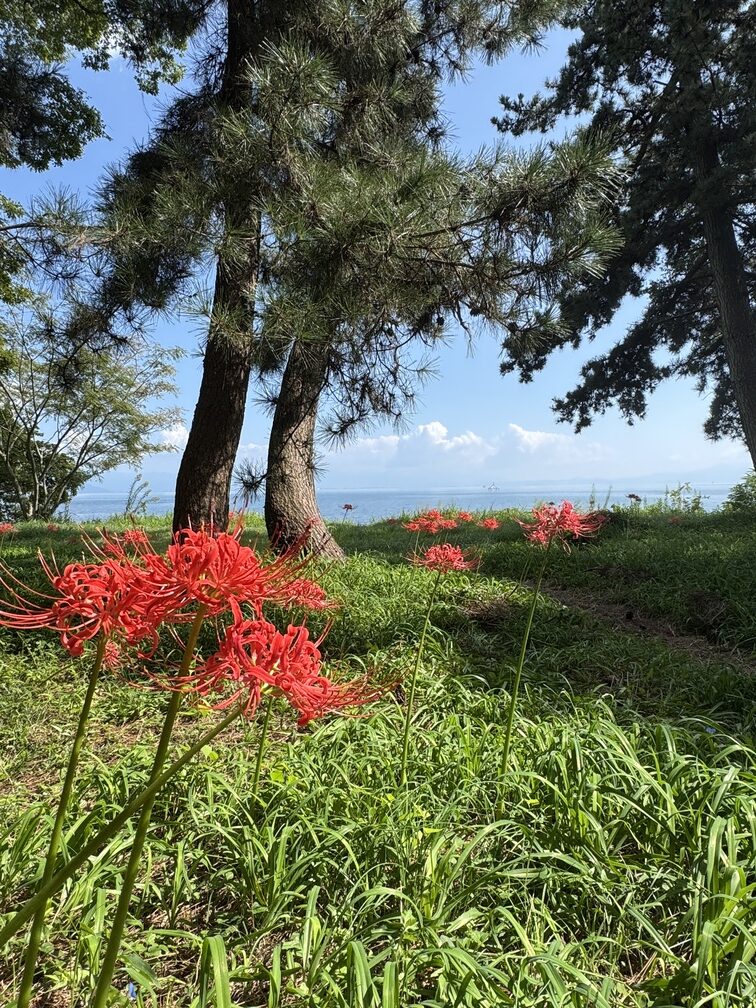
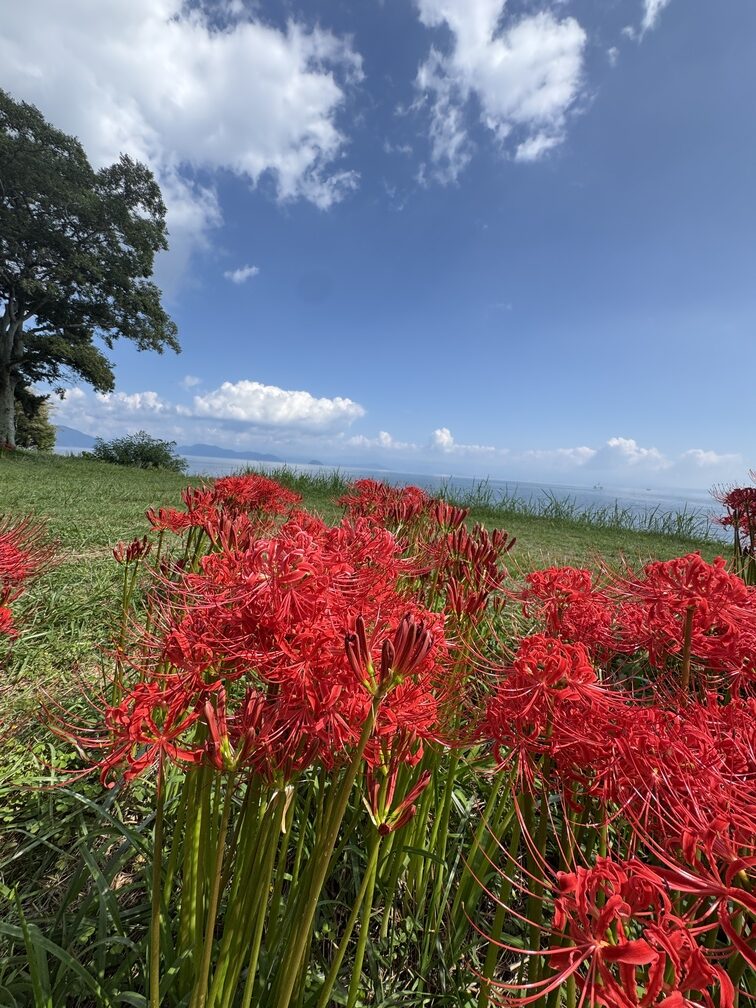
Along the western shore of Lake Biwa, in the Shin-asahi district of Takashima, there’s a stretch of lakeside that transforms for just a week or two each autumn. As September fades, the ground beside the water erupts in deep, vivid red — thousands of higanbana, the red spider lily, blooming all at once along the shore.
This is Genji-hama, and it is one of Shiga’s loveliest autumn secrets.
Shiga has grander, more famous spider lily fields — nearby Katsura-hama draws crowds and cameras by the hundred. Genji-hama is the quieter cousin. The flowers run for only about 150 meters along the lake, and precisely because it’s smaller and less known, far fewer people come. What you get in return is something increasingly hard to find at a seasonal attraction: space, stillness, and the flowers almost to yourself.
For travelers who would rather feel a landscape than fight for a photo spot, that trade is everything.
The flower that marks the turning of the season
To understand Genji-hama, it helps to understand the flower itself.
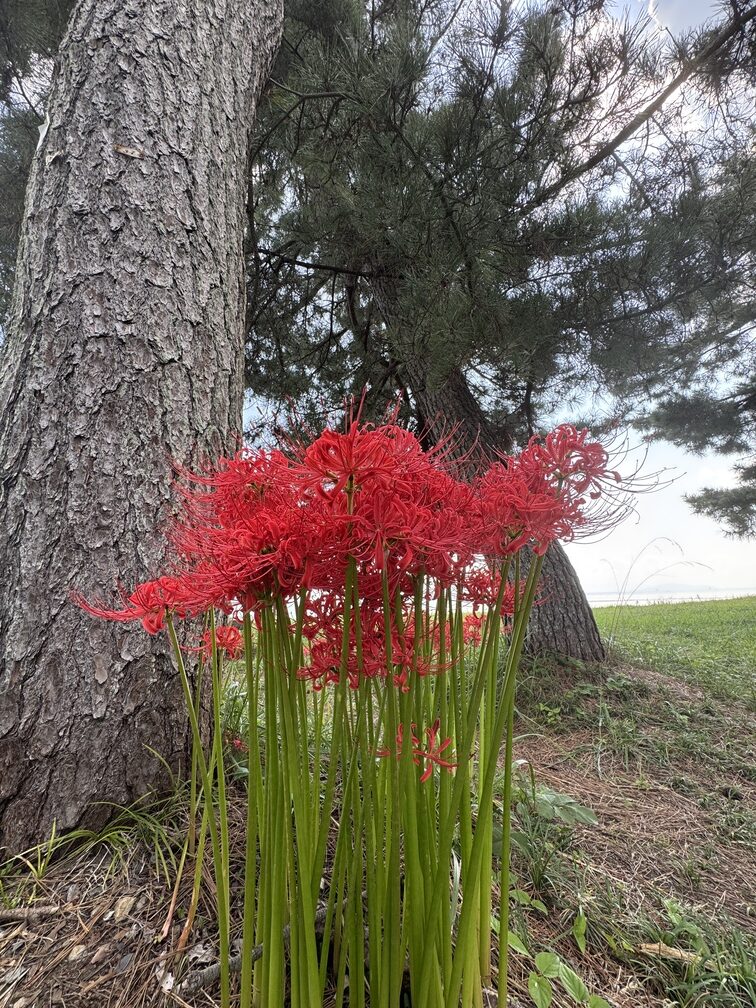
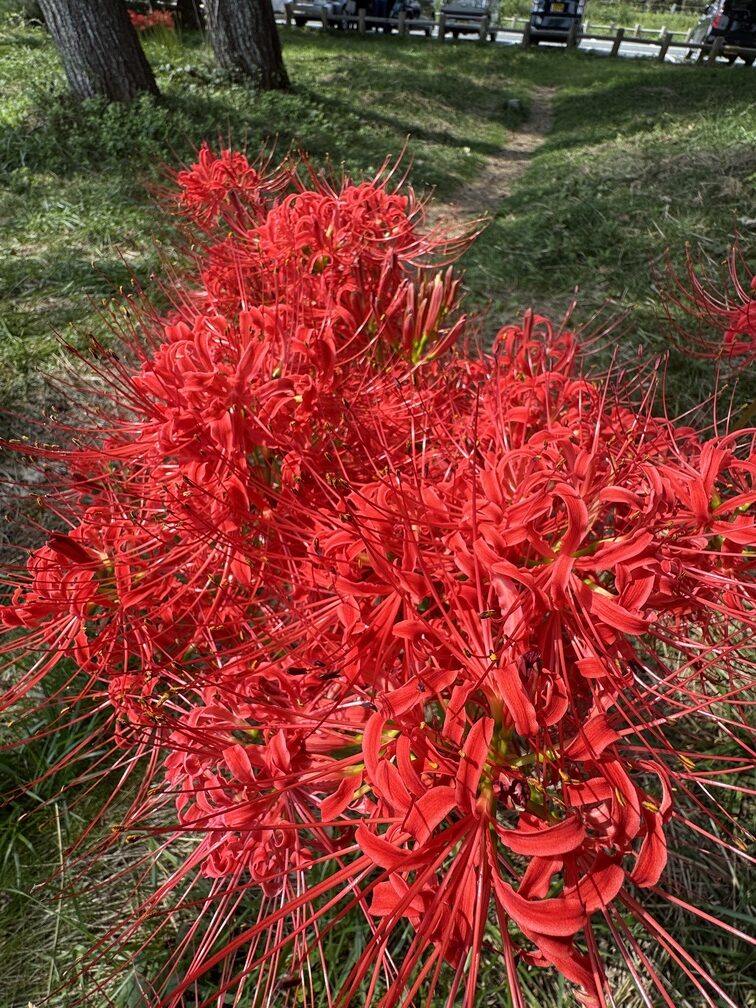
The red spider lily is called higanbana in Japanese — literally, the “higan flower,” named for the autumn equinox (higan) around which it reliably blooms. Its arrival is one of Japan’s clearest natural signals that summer has finally broken and autumn has come. The flower is unmistakable: a bare stem topped by a firework-burst of slender, curling crimson petals, with no leaves in sight. Its other name, manjushage, comes from Buddhist scripture, and the flower has long been associated with the boundary between this world and the next.
The result is a bloom that feels both festive and quietly solemn — a fitting mood for a lakeside at dawn.
Why sunrise is the whole point
Here is the single most important thing to know about Genji-hama: come at sunrise.
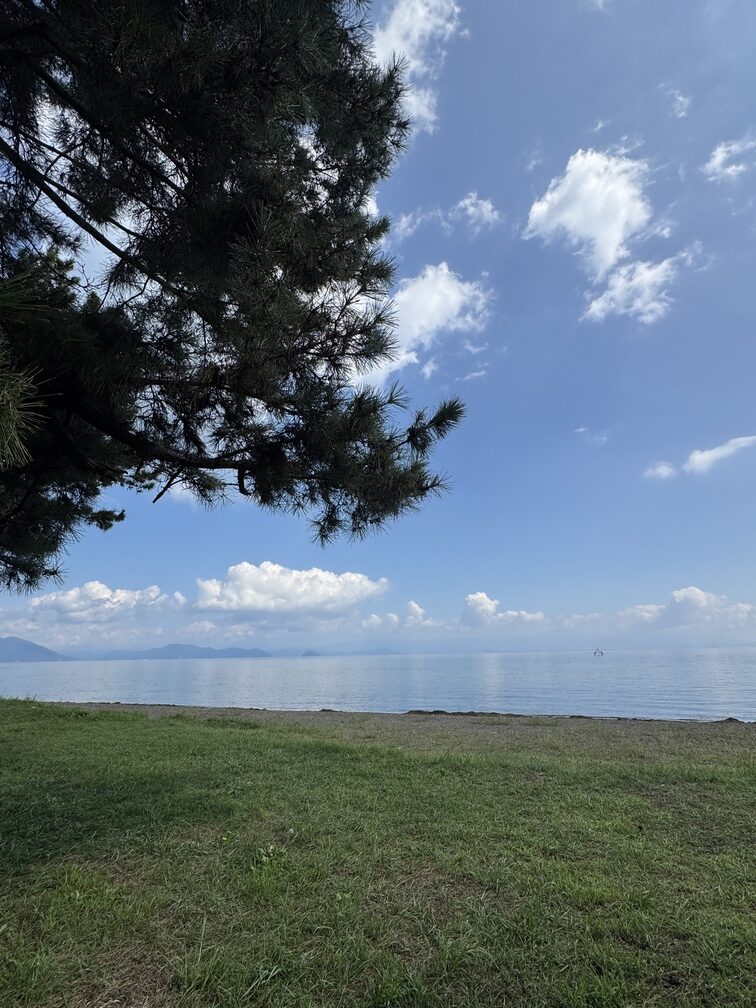
The shore faces almost due east across Lake Biwa, which means that during the spider lily season the sun rises directly over the water, straight ahead of you, with nothing to block it. As the first light climbs over the lake, it pours low across the surface and sets the red flowers glowing from the side — the water shining, the petals lit like embers. On the far eastern shore stands Mount Ibuki, Shiga’s highest peak, completing the view.
It’s no secret among Japanese landscape photographers, who arrive here in the dark and set up their tripods before dawn, waiting for that first light. You don’t need a camera to appreciate it, though. You just need to be willing to set an early alarm. Standing alone on a quiet shore as the sun lifts over Lake Biwa through a field of red is the kind of moment that stays with you long after the trip is over.
Late afternoon has its own gentler magic, too — the lowering sun turning both the water and the flowers soft and golden — so if a pre-dawn start isn’t for you, an evening visit still rewards.
Pair it with Katsura-hama
If you’d like to see spider lilies on a grander scale, Genji-hama pairs naturally with Katsura-hama, the larger and more famous field about 10 kilometers to the north, also on the Takashima lakeshore. There, the flowers spread in a broad crimson carpet beneath a grove of black pines, right at the water’s edge — one of the most celebrated spider lily sights in all of the Kansai region.
Seeing both in one morning gives you the full range: the epic scale of Katsura-hama, and the intimate quiet of Genji-hama. Both sit on the same stretch of lakeshore road, and both are popular stops for cyclists riding the famous loop around Lake Biwa.
When to go
Timing is everything with spider lilies — the bloom is glorious but brief, lasting only a week or two at peak.
- Typical peak: mid-to-late September.
- Important caveat: the bloom depends heavily on the weather, and in recent years of lingering late-summer heat it has run late, into early October. Because the window is so short, it’s well worth checking current bloom reports before making the trip.
- Best source: the Biwako-Takashima tourism association publishes day-by-day bloom updates during the season, and recent photos appear regularly on local blogs and social media.
How to get to Genji-hama
Genji-hama sits on the western shore of Lake Biwa, and reaching it is straightforward whether you come by train or car.
- By train: Take the JR Kosei Line to Shin-asahi Station, then a taxi (about 10 minutes) to the shore.
- By car: There is a free parking lot on site, along with restrooms — convenient for an early-morning arrival. Please use the lot rather than parking on the road.
- By bicycle: Genji-hama is a natural stop on the Biwaichi, the celebrated cycling route around the entire lake.
Plan your visit
| Spot | Genji-hama red spider lily field (ヒガンバナ群生地・源氏浜) |
| Where | Warazono, Shin-asahi-cho, Takashima, Shiga |
| Best season | Mid-to-late September (can run into early October in hot years) |
| Best time of day | Sunrise (faces due east over Lake Biwa); late afternoon also lovely |
| Admission | Free |
| Access | JR “Shin-asahi” Station → approx. 10 min by taxi |
| Facilities | Free parking and restrooms on site |
| Bloom updates | Biwako-Takashima tourism association |
The bloom period shifts year to year with the weather and lasts only a short time. Always check the latest bloom status before you go.
Frequently asked questions
What is Genji-hama known for?
Genji-hama is a quiet lakeside spot in Takashima, Shiga, where thousands of red spider lilies (higanbana) bloom along about 150 meters of the Lake Biwa shore each autumn. It’s prized as a peaceful, uncrowded alternative to Shiga’s larger flower fields, and for its stunning sunrise views over the lake.
When do the red spider lilies bloom?
Usually from mid-to-late September, though in recent hot years the peak has slipped into early October. The bloom lasts only a week or two, so check current reports before visiting.
What’s the best time of day to visit?
Sunrise. The shore faces due east, so the sun rises directly over Lake Biwa and lights the flowers from the side — the reason photographers gather here before dawn. Late afternoon is a quieter, golden alternative.
How do I get to Genji-hama?
Take the JR Kosei Line to Shin-asahi Station, then about a 10-minute taxi ride to the shore. There is also free on-site parking for those coming by car.
Is there an entry fee?
No. Visiting is free, and there is free parking and restrooms on site.
What else is nearby?
Katsura-hama, a larger and more famous spider lily field, lies about 10 km north along the same lakeshore and pairs perfectly with Genji-hama for a morning of flower viewing.
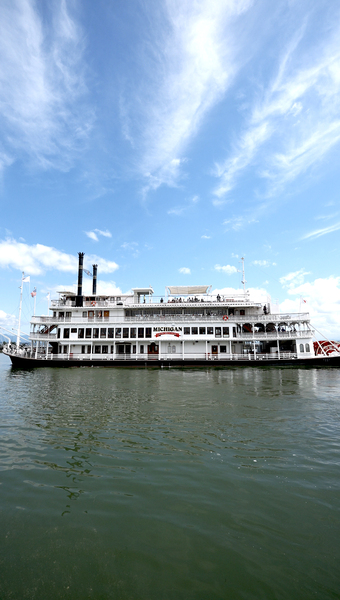
Click here for Biwa Lake cruise details and reservations.



Saikyoji Summer Evening Illumination|Otsu, Shiga

Michigan Cruise|Lake Biwa, Shiga
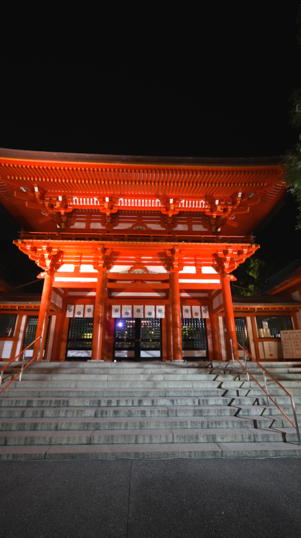
Omi Jingu Summer Illumination|Otsu, Shiga
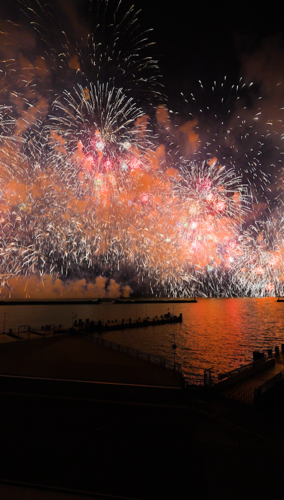
Biwako Fireworks Festival