
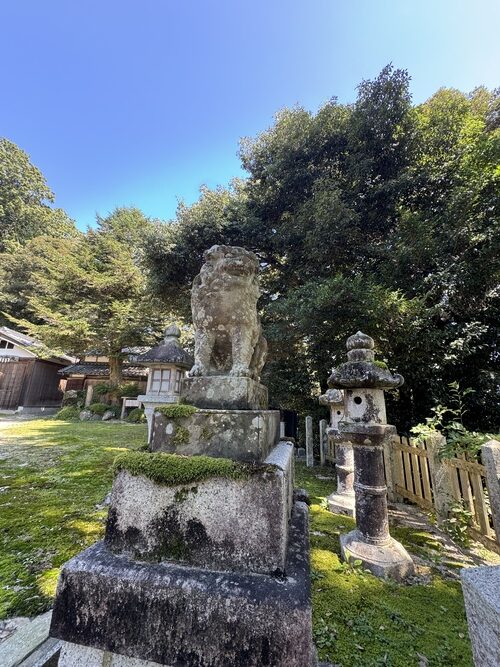
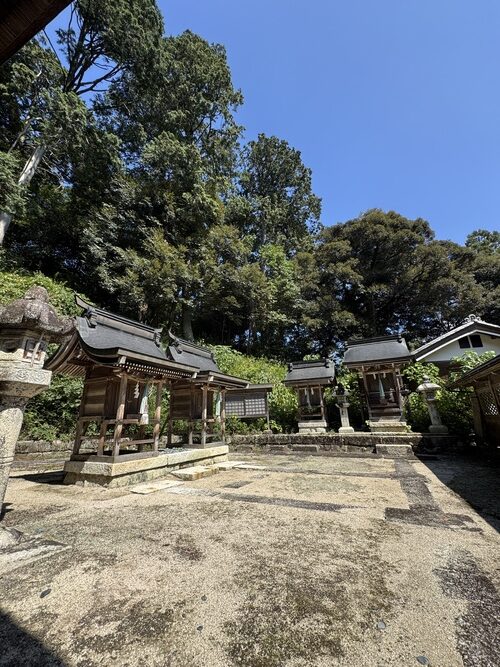
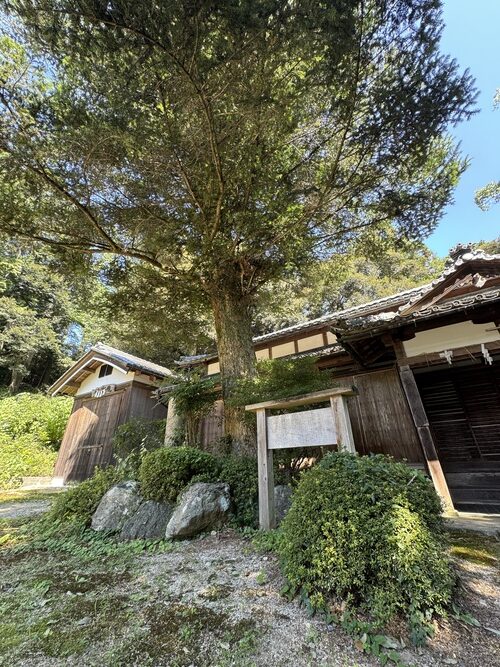
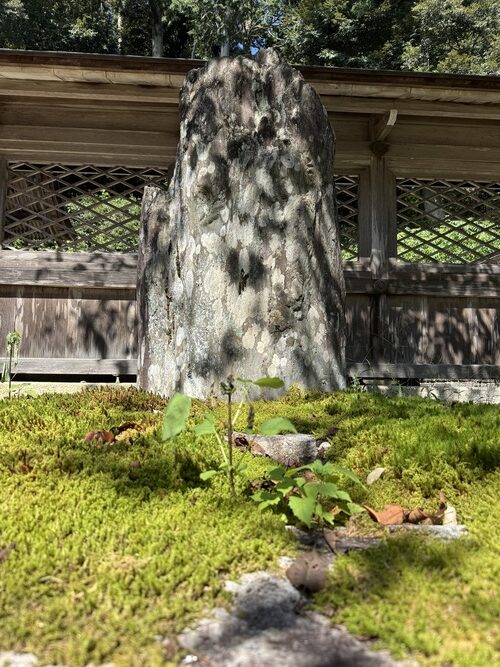
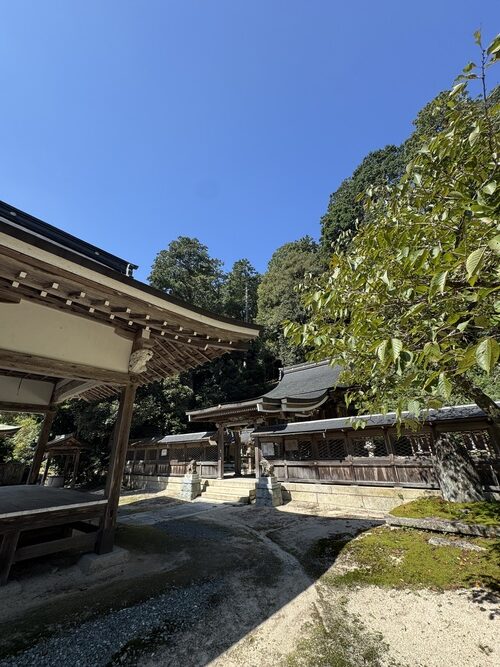
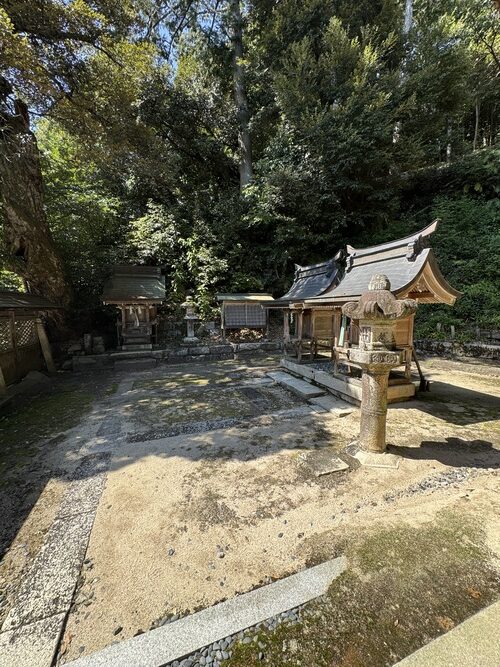
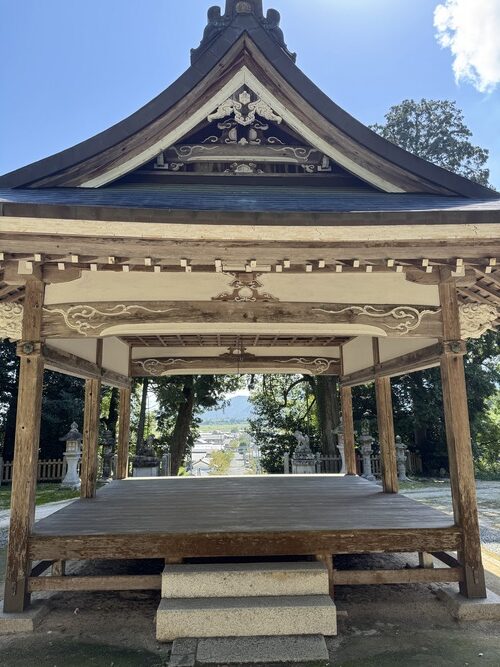
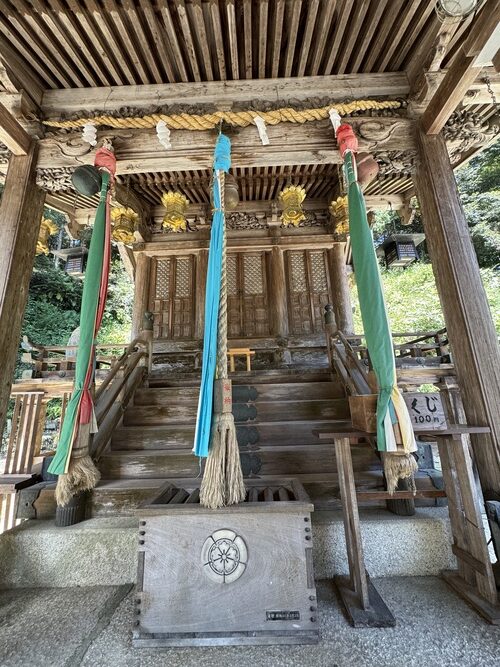
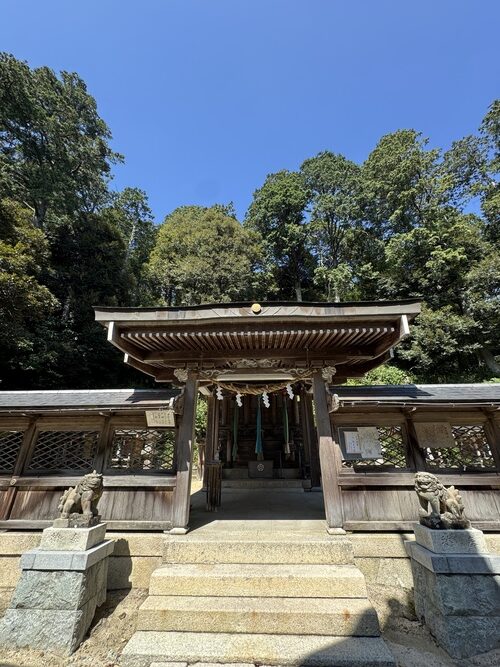
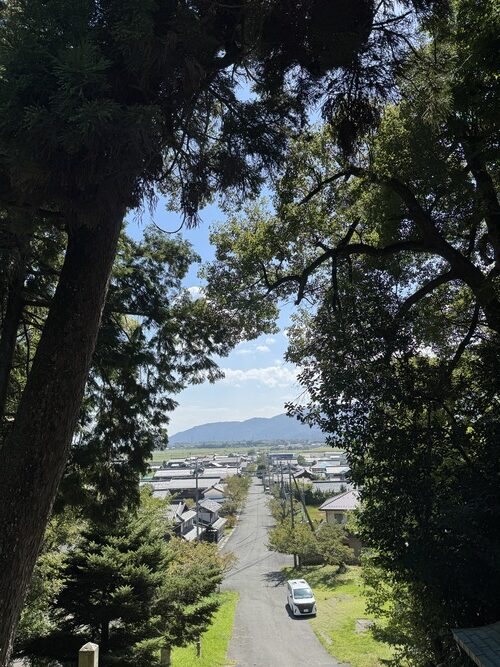
At the end of a long, tree-lined approach in Takashima, Shiga stands a quiet shrine more than a thousand years old — home to a thrilling spring festival of horseback archery, Kamakura-era stonework, and ancient burial mounds. Here’s the story of Tanaka Shrine, and how to reach it from the Lake Biwa shore.
A shrine at the top of the steps
Some places announce themselves. Tanaka Shrine does the opposite — it waits for you to come to it.
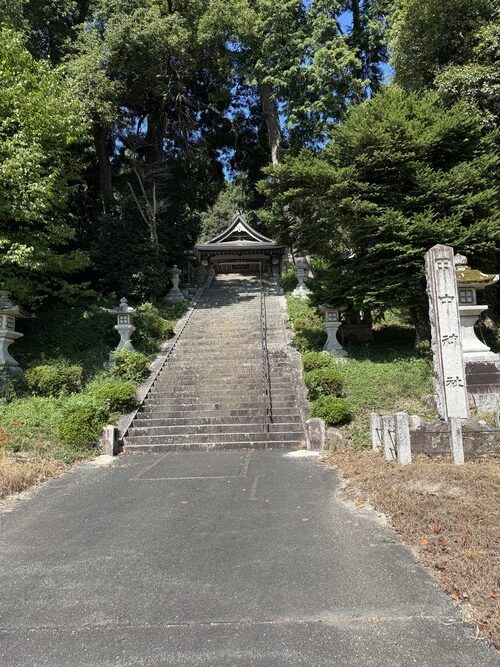
In the Adogawa district of Takashima, on the western side of Lake Biwa, a long approach leads back from the road, through a stone torii gate and on between the trees. At the far end, a flight of stone steps climbs to the shrine itself. By the time you reach the top, the sound of the road is gone, and what’s left is the hush of an old precinct among the trees — the kind of stillness that only accumulates over many centuries.
This is Tanaka Shrine (Tanaka-jinja), and it has been standing here, in one form or another, for well over a thousand years.
More than a thousand years of history
The shrine’s exact founding date is lost to time, but one account places its origins in the Jogan era of the late 9th century — the early Heian period. In its long history it was known as the Wakabayashi Gozu Tenno shrine, and in 1722 it received the imperial-sanctioned rank of Shoichii (First Senior Rank), a mark of its standing in the region. It took its current name, Tanaka Shrine, in 1869.
Its principal deity is Takehaya-Susanoo-no-Mikoto — the dynamic, storm-wielding god of Japanese mythology — enshrined here alongside Kushinada-hime and other deities. For the people of the surrounding farmland, this has long been a shrine of protection and good harvests, woven into the rhythm of local life rather than built for visitors. That’s part of what gives it its quiet authenticity today.
The Tanaka Festival: horseback archery and a procession like a picture scroll
If there’s one day to see Tanaka Shrine at its most alive, it’s May 4th, when the community holds its annual Tanaka Festival (Tanaka-matsuri).
The centerpiece is yabusame — the spectacular rite of horseback archery, in which a rider in traditional dress gallops down a course and looses arrows at targets as the horse thunders past. It’s a discipline that dates back to Japan’s samurai age, demanding and dramatic, and seeing it performed at a small country shrine — rather than a major tourist venue — makes it feel all the more immediate.
The archery is followed by a procession along the shrine’s approach: ornate kasaboko floats, their decorations swaying, accompanied by the ringing of gongs and the beat of drums. Parishioners march through in a slow, colorful parade, praying for an abundant harvest in the year ahead. Locals describe the whole day as unrolling like a great picture scroll — a living scene of old Japan, staged on the same ground year after year.
Stone, mounds, and an imperial tomb: history in layers
Part of what makes Tanaka Shrine quietly remarkable is how much history is packed into one modest site.
Scattered through the grounds are around six stone objects dating to the Kamakura period (12th–14th centuries), including a hokyoin-to — a form of Buddhist stone pagoda — that is designated a cultural property by the city. These weathered stones are a tangible link to the religious life of the area many centuries ago.
Behind the shrine lies the Tanaka burial mound group, part of a landscape dotted with ancient tombs. And close by stands the imperial tomb of Prince Hikoushi — a figure of real historical weight, honored as the father of Emperor Keitai, who ascended the throne in the early 6th century. To stand in this one small corner of Takashima is to stand amid layer upon layer of Japanese history, from ancient burial mounds to medieval stonework to a shrine still in use today.
A quiet detour worth making
Tanaka Shrine is not a crowded, polished tourist attraction, and that is precisely its appeal. On an ordinary day it’s calm and little-visited — a working local shrine where you can walk the approach, climb the steps, and feel the weight of its history without jostling for space. Behind it, the greenery of the Taizanji-no area stretches away, and on a clear day the whole precinct feels bright and serene.
For the kind of traveler who wants to step off the well-worn path and into the quieter, older layers of Japan, it’s a rewarding stop on any exploration of the Lake Biwa shore.
How to get to Tanaka Shrine
Tanaka Shrine sits on the western side of Lake Biwa, in the Adogawa area of Takashima, and is easiest to reach as part of a trip exploring the lake’s quieter western shore.
- By train + car: Take the JR Kosei Line to Adogawa Station. From there, the shrine is about a 5–7 minute taxi ride.
- By car: The shrine has its own parking lot, making it a convenient stop for travelers driving the Lake Biwa area.
- A note on timing: For the Tanaka Festival, visit on May 4th; for quiet contemplation, almost any clear day will do.
Plan your visit
| Shrine | Tanaka Shrine (田中神社 / Tanaka-jinja) |
| Where | Tanaka, Adogawa-cho, Takashima, Shiga |
| Principal deity | Takehaya-Susanoo-no-Mikoto, with Kushinada-hime and others |
| Annual festival | Tanaka Festival, every May 4th (yabusame horseback archery) |
| Admission | Free to visit |
| Access | Approx. 5–7 min by car/taxi from JR Kosei Line “Adogawa” Station |
| Parking | Available on site |
| Nearby | Tanaka burial mounds; imperial tomb of Prince Hikoushi |
Festival details and dates can change year to year — it’s worth confirming locally or with the Biwako-Takashima tourism association before planning a visit around the festival.
Frequently asked questions
What is Tanaka Shrine known for?
Tanaka Shrine, in Takashima, Shiga, is an ancient Shinto shrine best known for its annual Tanaka Festival on May 4th, which features yabusame (horseback archery) and a procession of decorated kasaboko floats. Its grounds also hold Kamakura-period stonework and sit beside ancient burial mounds.
How old is Tanaka Shrine?
Its exact founding is unknown, but one tradition dates its origins to the Jogan era of the late 9th century, making it well over a thousand years old.
When is the Tanaka Festival held?
Every year on May 4th. The highlight is the yabusame horseback archery rite, followed by a float procession with gongs and drums.
Which deity is enshrined there?
The principal deity is Takehaya-Susanoo-no-Mikoto, the storm god of Japanese mythology, enshrined together with Kushinada-hime and other deities.
How do I get to Tanaka Shrine from Lake Biwa / Kyoto?
Take the JR Kosei Line to Adogawa Station on Lake Biwa’s western shore, then a 5–7 minute taxi ride. Adogawa is also reachable by train from Kyoto via the Kosei Line.
What else is nearby?
Behind the shrine are the Tanaka burial mounds, and the imperial tomb of Prince Hikoushi — said to be the father of Emperor Keitai — is close by, making the area rich in ancient history.
How did you like this gallery?
Your like would be greatly appreciated and motivate me!
Click here for Biwa Lake cruise details and reservations.



Saikyoji Summer Evening Illumination|Otsu, Shiga

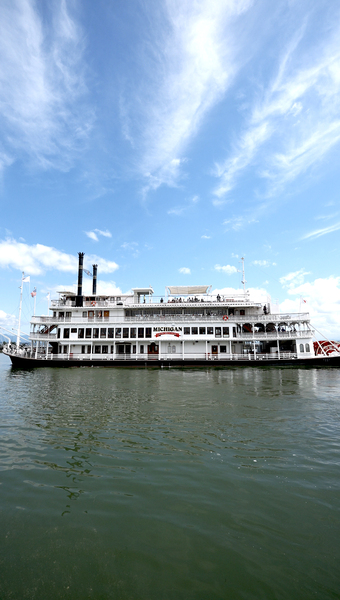
Michigan Cruise|Lake Biwa, Shiga
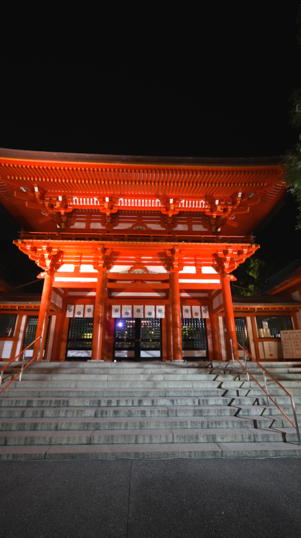
Omi Jingu Summer Illumination|Otsu, Shiga
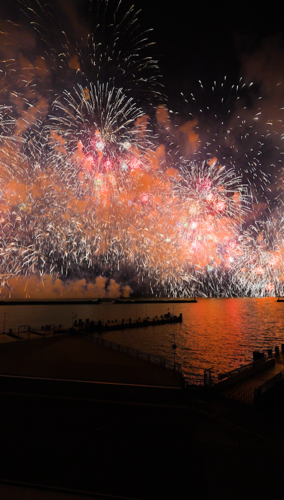
Biwako Fireworks Festival