Traces of Eternity: Step into the Sanctuary of Time, Verse, and Destiny at Omi Jingu Shrine
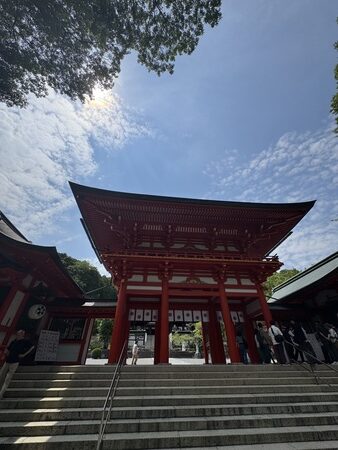
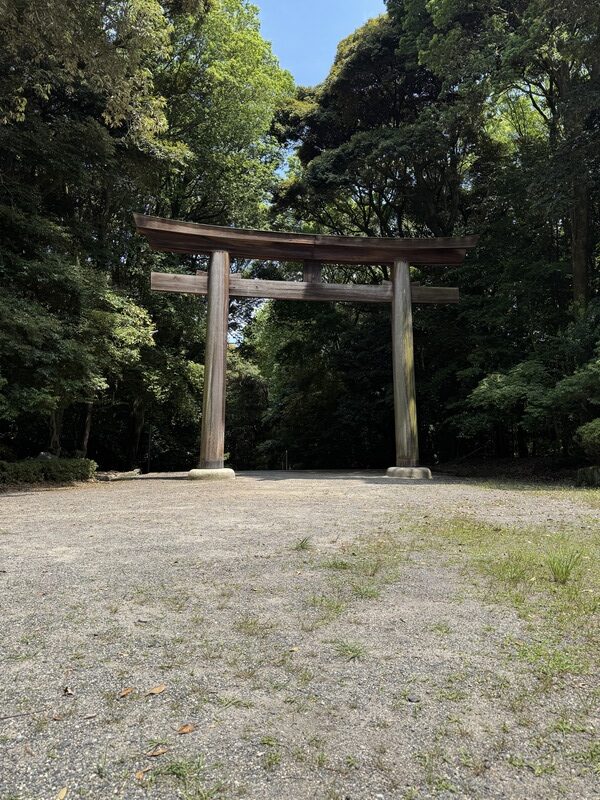
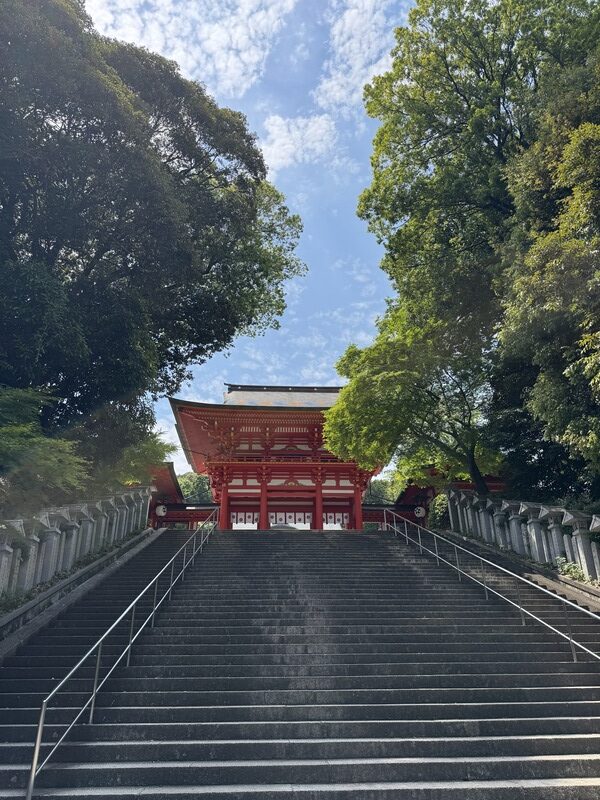
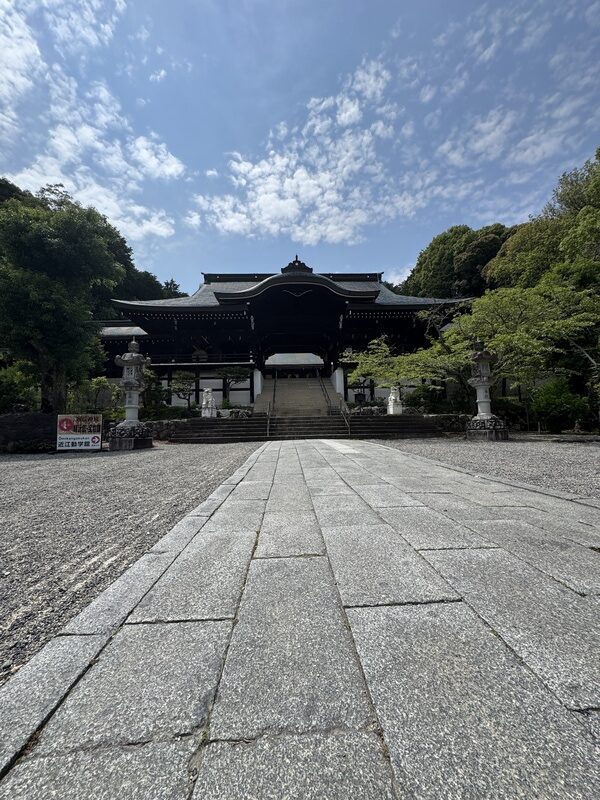
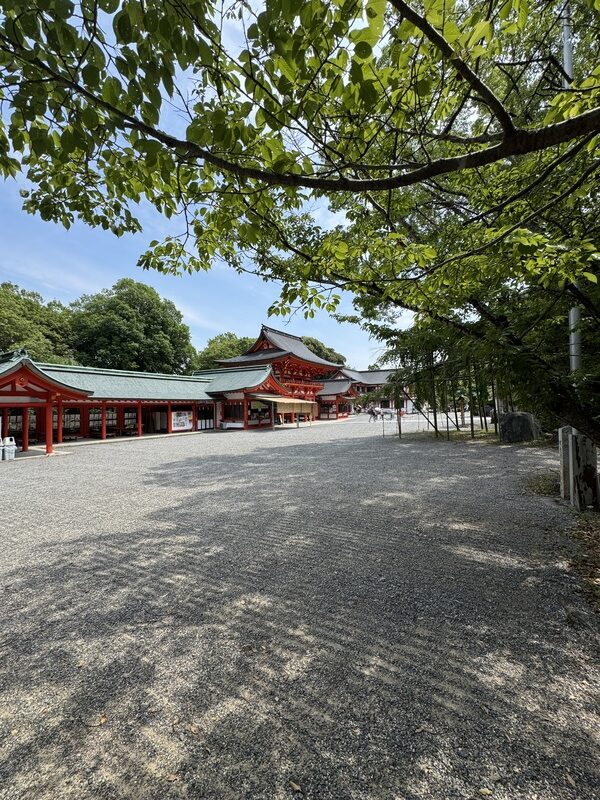
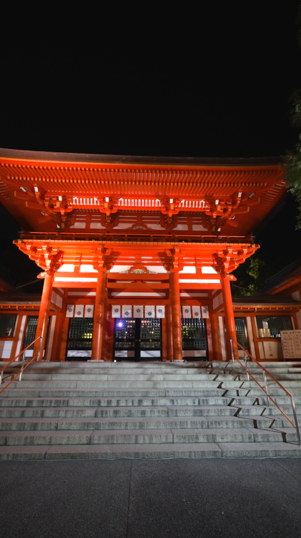
The moment you step off the train and approach the foot of Mt. Usami, the air changes. A gentle rustle stirs the canopy of ancient trees, and as you catch your first glimpse of the striking, brilliant vermilion Romon gate, the frantic rush of the modern world simply ceases to exist. You are not just entering the sacred precincts of a Shinto shrine; you are crossing an invisible threshold into the very heart of ancient Japan, walking upon the historic stage where the geopolitical destiny of a nation was forged over a millennium ago.
While the physical structures of Omi Jingu were founded relatively recently in 1940—erected through the collective devotion and sincerity of people who wished to honor the roots of their culture—the land it safeguards breathes the immortal spirit of the 7th century. This serene forest was once the bustling center of Otsu-kyo, the ancient capital established by Emperor Tenji. He was a visionary and fiercely determined ruler who, alongside Nakatomi no Kamatari, orchestrated the historic Taika Reforms of 645 AD to lay the groundwork for a centralized state. Though political turmoil cut the capital’s lifespan to a mere five years, Emperor Tenji’s profound legacy left an indelible, eternal mark on two seemingly contrasting realms: the absolute precision of timekeeping and the fluid, passionate beauty of classical poetry.
The Birthplace of Time: When the Hours First Found Their Voice
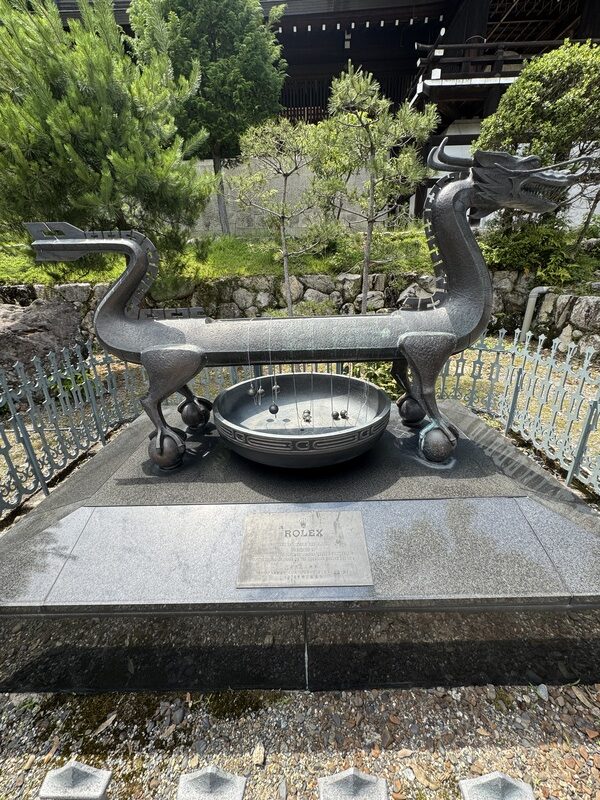
Close your eyes and try to imagine a world where time had no name. In ancient Japan, the passing of hours was a shapeless concept, flowing by unmeasured and unnoticed by the masses. Emperor Tenji recognized that to build a unified, advanced nation, his people needed a shared pulse. Driven by this profound philosophy, he introduced Japan’s very first water clock, known as the Rokoku.
By channeling the steady, rhythmic drip of water through a series of stepped vessels, he successfully measured the day and ordered a grand bell to be struck, announcing the hour to his subjects. For the first time in history, the people of Japan looked up and shared the exact same moment.
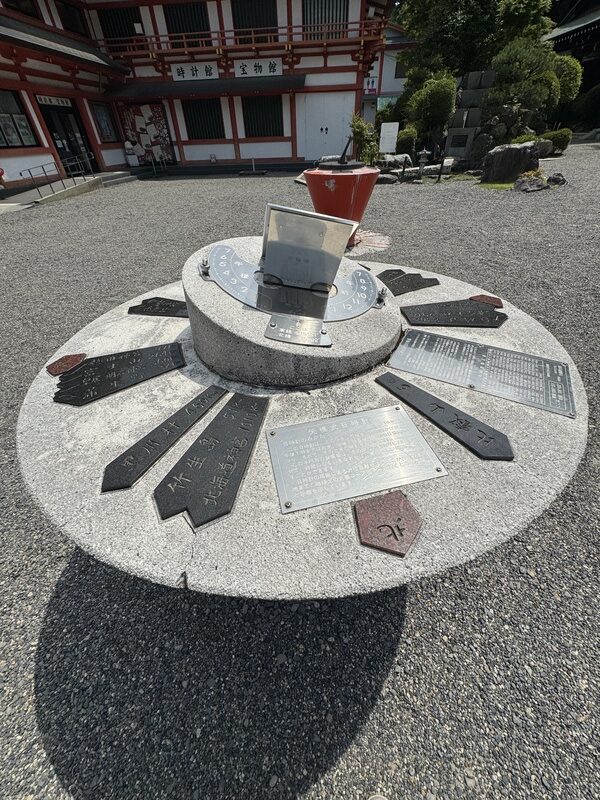
Today, Emperor Tenji is revered as the eternal father of timekeeping. Every year on June 10th—Japan’s official Time Memorial Day—Omi Jingu transforms into a scene of solemn, breathtaking elegance for the Rokoku-sai festival. Master watchmakers, cultural officials, and shrine maidens gather in exquisite traditional robes to present the latest timepieces to the god of time, paying tribute to a legacy that spans over 1,300 years. If you venture deeper into the sacred grounds, you will encounter the shrine’s fascinating Clock Museum. It houses a mesmerizing collection of around 180 rare timepieces, ranging from ancient sun-dials and fire-clocks to intricate, spring-driven Japanese clocks (Wadokei) from the Edo period, and pioneering mechanical marvels from all corners of the globe.
The Sacred Beats of Karuta: A Sanctuary Where Classical Verse Meets Fierce Passion
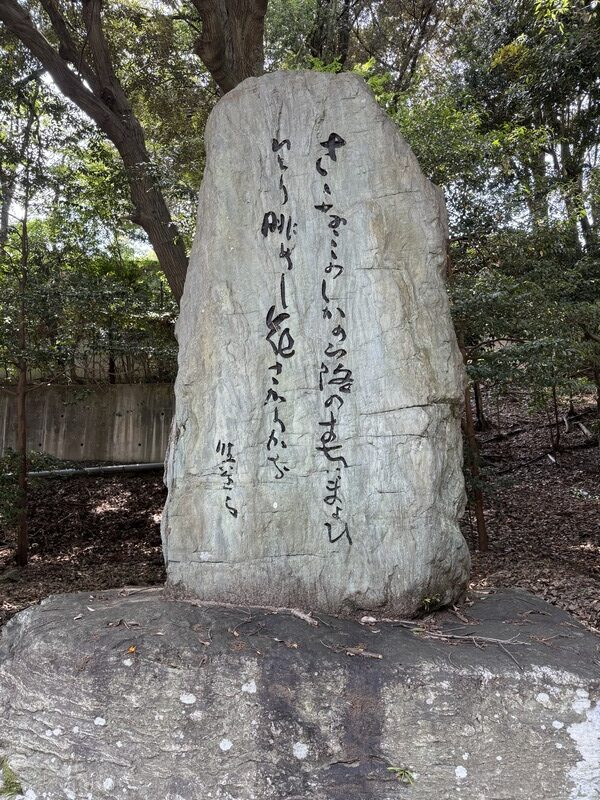
Yet, the steady ticking of time is not the only melody echoing through these whispering woods. Emperor Tenji was not only a master of governance but also a master of the human heart, having penned the very first, foundational poem in the Hyakunin Isshu (One Hundred Poems by One Hundred Poets) anthology. His verse, which beautifully laments the autumn dew soaking the coarse sleeves of a harvest watcher in a rustic hut, has resonated through the centuries as a masterpiece of Japanese aesthetics.
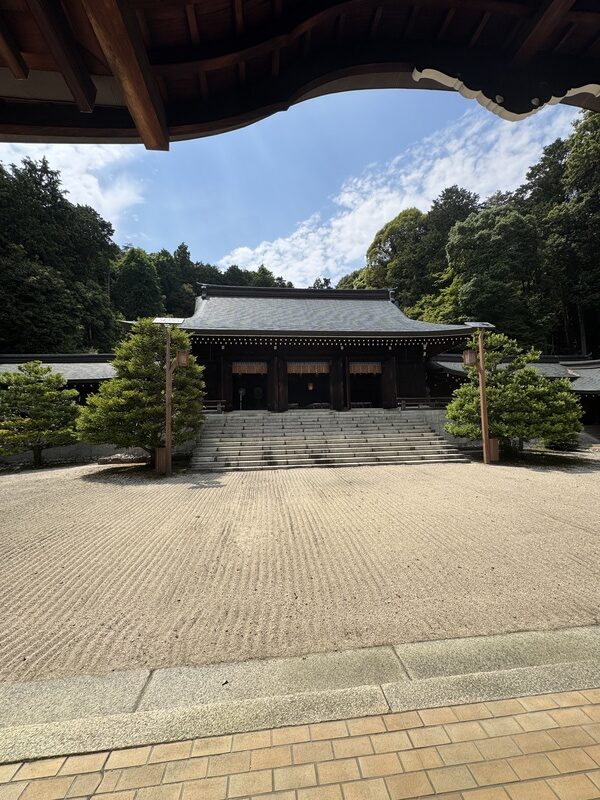
This profound literary connection has permanently elevated Omi Jingu into the ultimate, undisputed holy ground for competitive karuta. Every January, the quiet dignity of the shrine becomes charged with an almost electric, competitive energy as the national Master and Queen championship matches take place. Here, young players clad in elegant, flowing kimonos and hakama face off over the tatami mats. The silence in the hall is absolute, broken only by the reader’s voice reciting the opening lines of a poem—instantly shattered by a blur of lightning-fast reflexes, sweeping hands, and fierce, unyielding mental focus.
For millions of fans worldwide, walking these gravel paths is an emotional, cinematic journey straight into the beloved universe of the manga and anime series Chihayafuru. The shrine’s vermilion backdrop stands as a vibrant monument to youth, passion, and the timeless bond of poetry.
Whether you come to trace the ancient origins of time, marvel at the elegant and rare Omi-zukuri architecture designated as a National Registered Cultural Property, or simply walk in the footsteps of emperors, poets, and anime dreamers, Omi Jingu awaits to wrap you in a story that never truly ends.
Access & Info
-
Address: Omi Jingu Shrine (1-1 Jingu-cho, Otsu, Shiga)
-
How to get there: A 10-minute walk from “Omi-Jingu-mae” Station on the Keihan Ishiyama Sakamoto Line.
-
Shrine Hours: 6:00 AM – 6:00 PM (Free admission to the grounds)
-
Office Hours: 9:00 AM – 4:30 PM
-
Clock Museum & Treasure House: Separate admission fee required. (Closed on Mondays, except on national holidays)
Click here for Biwa Lake cruise details and reservations.



Saikyoji Summer Evening Illumination|Otsu, Shiga


Michigan Cruise|Lake Biwa, Shiga
Omi Jingu Summer Illumination|Otsu, Shiga

Biwako Fireworks Festival