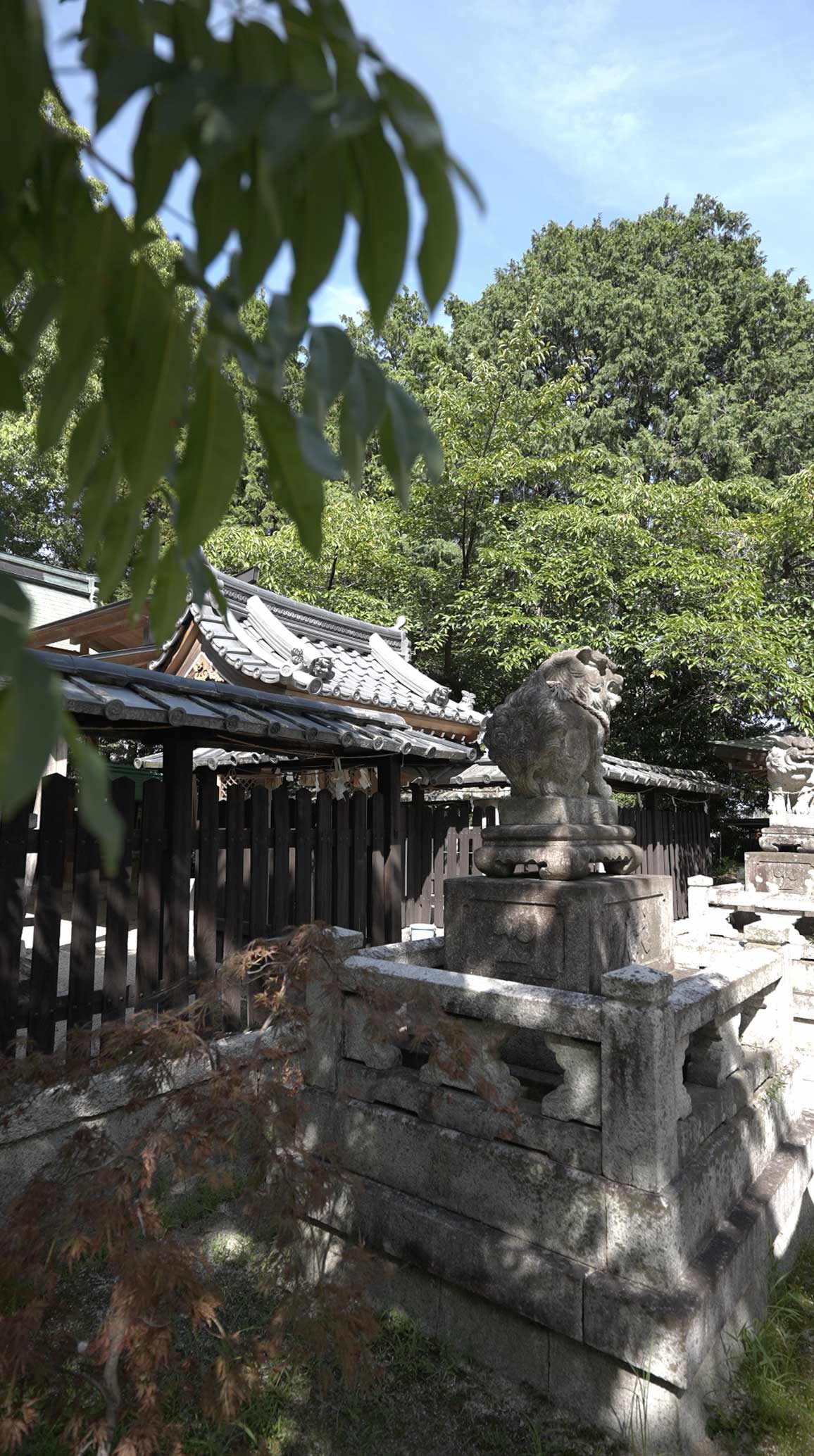
Izu Shrine, Katata| A Hidden Lakeside Shrine of Heart-Shaped Stones and Quiet Prayer
On the shore of Lake Biwa sits a small, thousand-year-old shrine most travelers walk right past — home to a heart-shaped “happiness stone,” heart-shaped prayer plaques, and one of the most serene corners in all of Otsu. Here’s the story of Izu Shrine, and how to reach it from Kyoto in about 25 minutes.
A shrine most travelers never find
On the shore of Lake Biwa, tucked into the old lakeside town of Katata, there’s a small grove of trees — and inside it, a shrine that most visitors to Japan will never stumble upon.
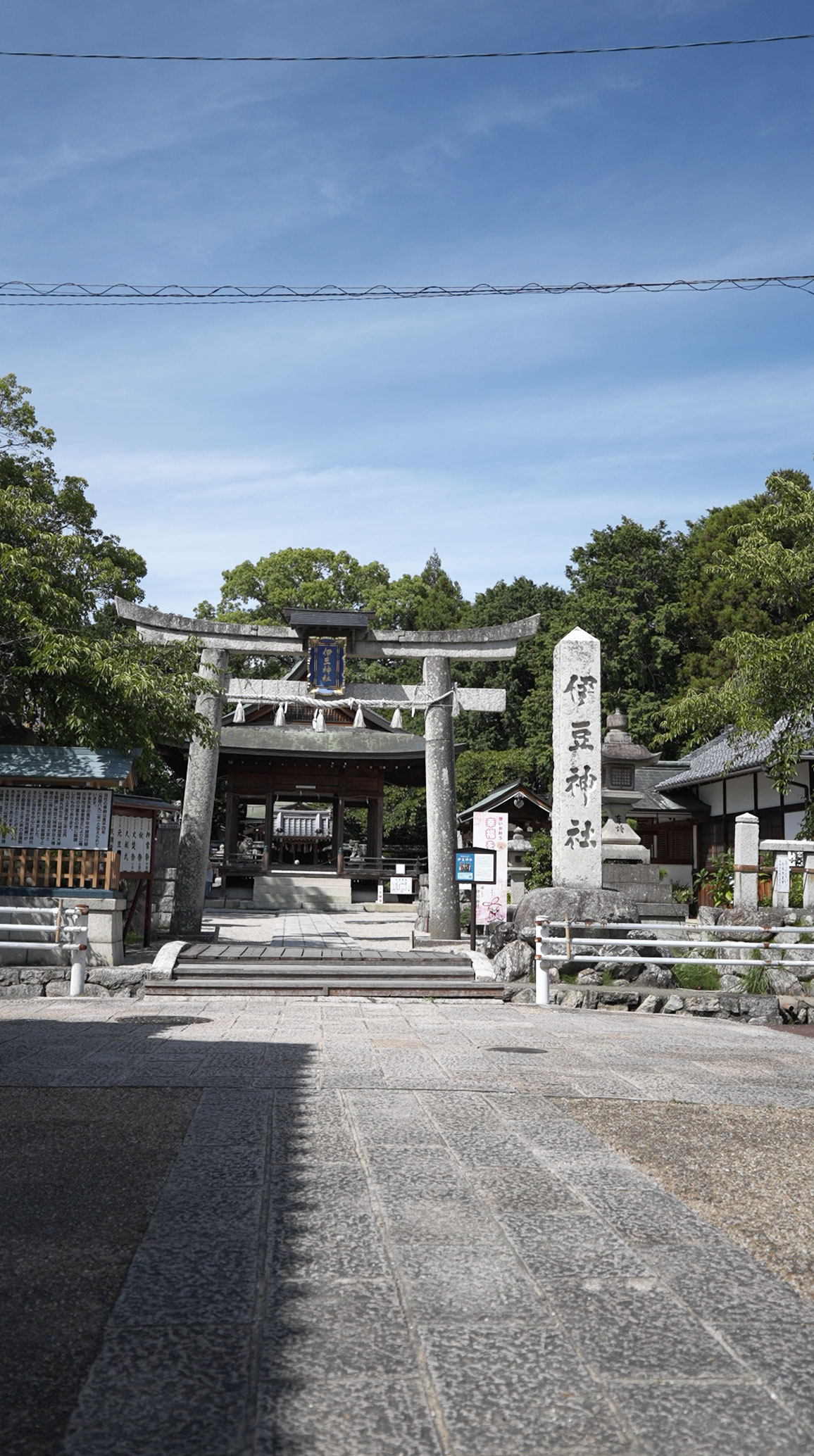
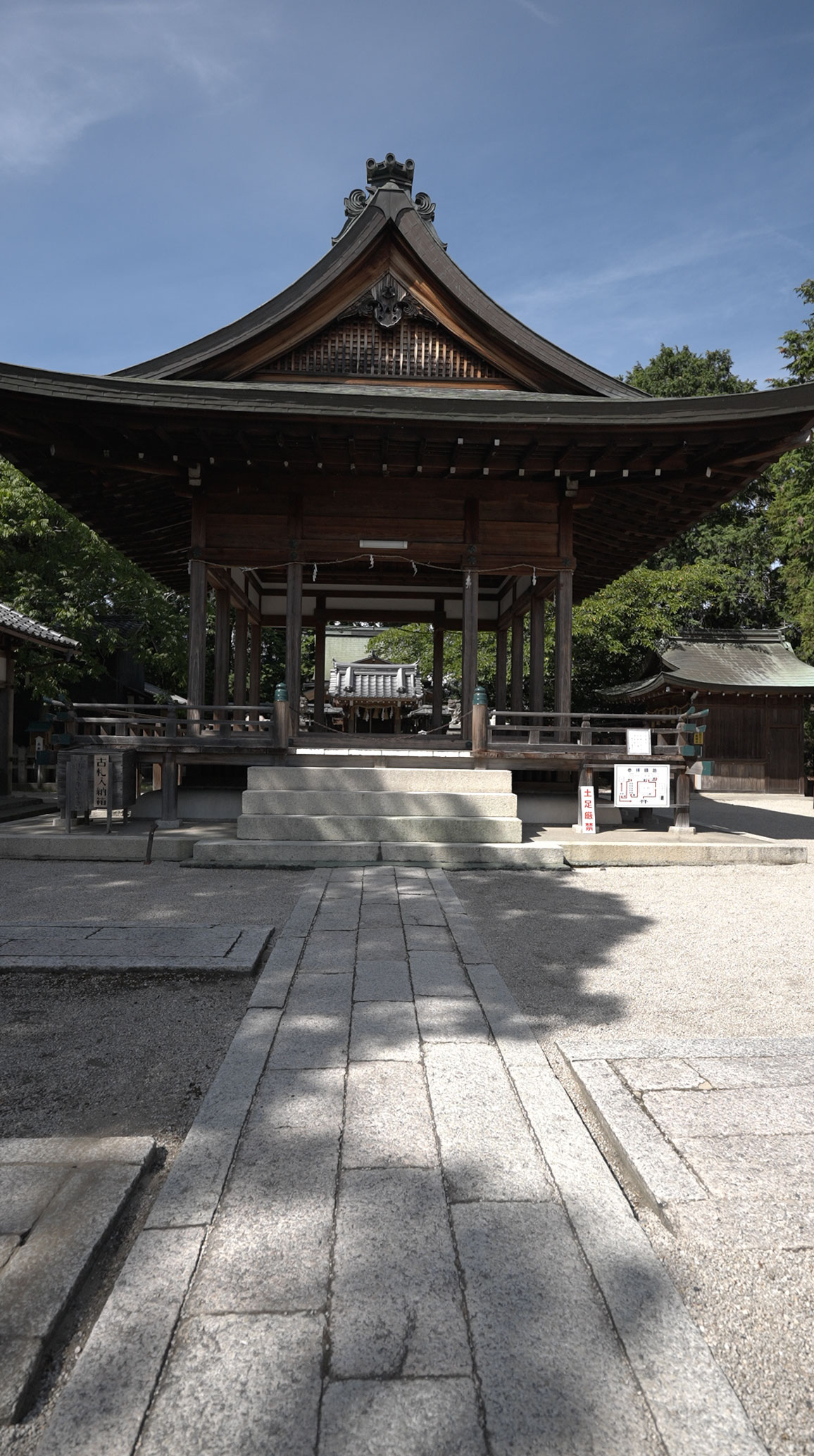
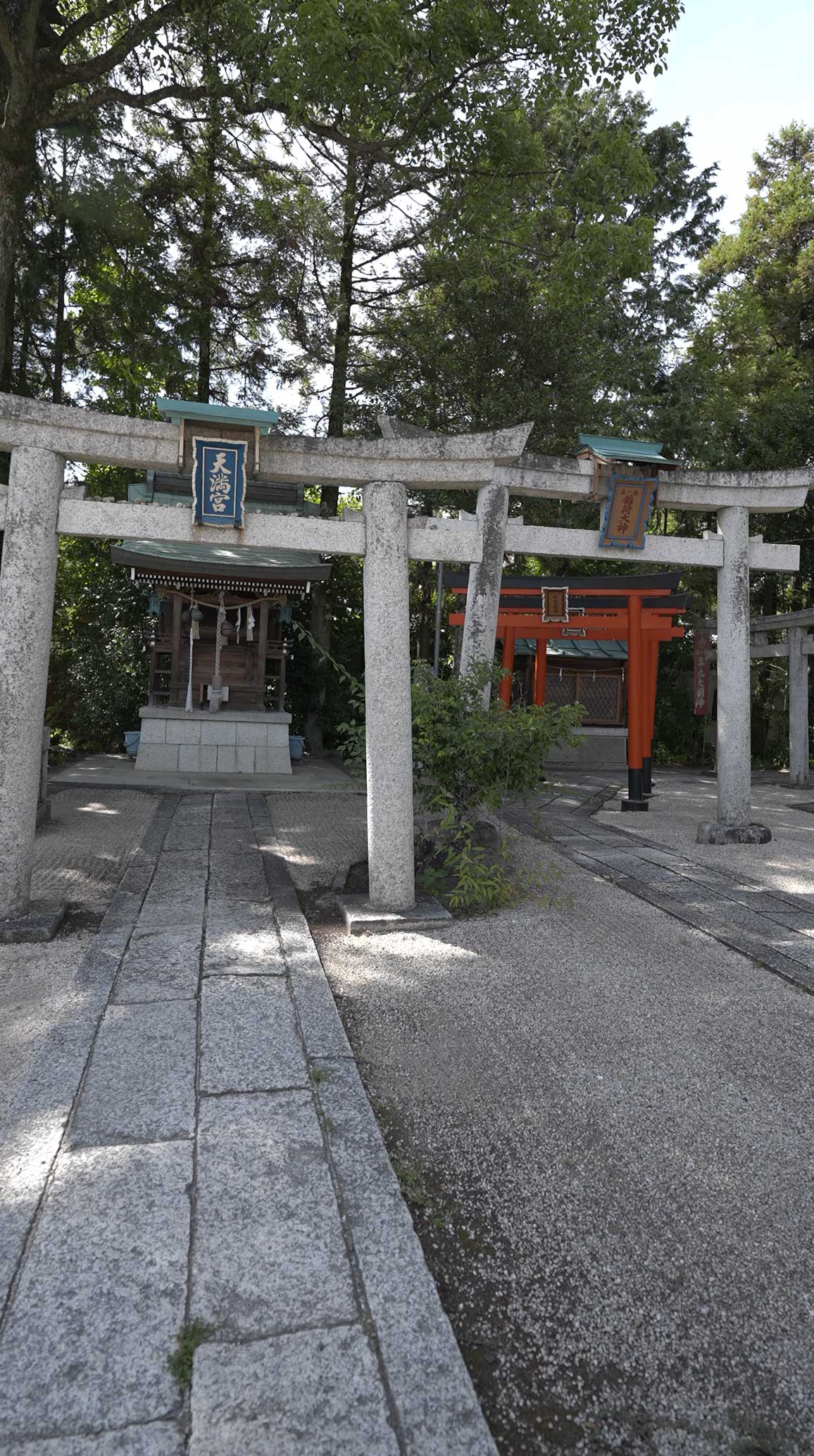
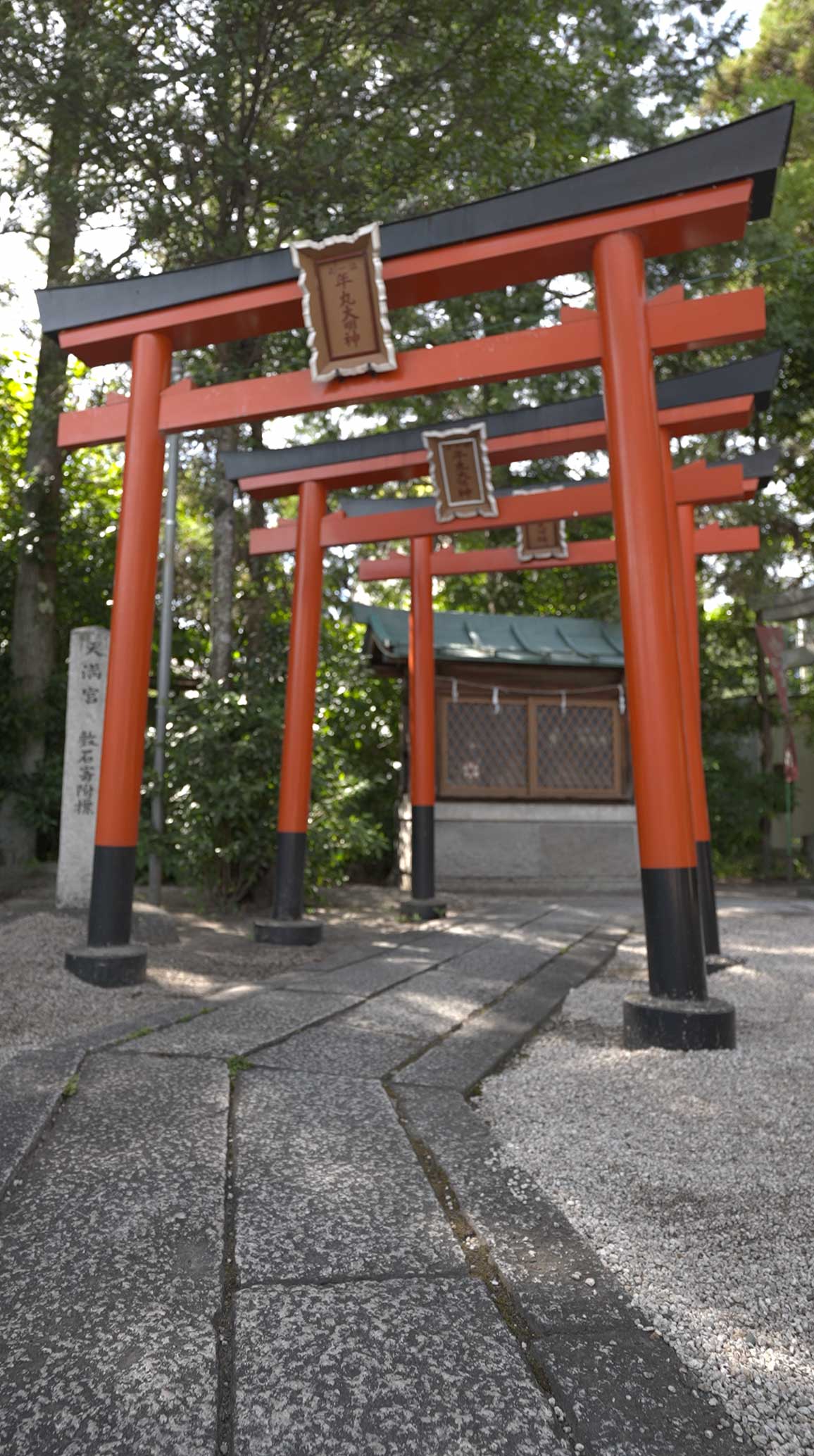
This is Izu Shrine (伊豆神社), in Katata, Otsu, Shiga. It has none of the crowds of Kyoto’s famous sites and none of the queues. What it has instead is something increasingly rare: quiet. This is a working local shrine, a place where residents of Katata still come to bow their heads and press their hands together in prayer, much as they have for over a thousand years.
For a certain kind of traveler — the one who wants to feel a place rather than photograph a checklist — that quiet is exactly the point.
A thousand years of history, and a name carried from afar
Izu Shrine was founded in the year 892, during Japan’s Heian period. Its origin story is a small poem in itself.
A monk named Son’i, from Enryakuji — the great temple complex atop nearby Mount Hiei — looked out over the scenery of this lakeside spot and was struck by how much it resembled the landscape of Izu, a region far to the east (in what is now Shizuoka). Moved by the likeness, he invited the deity of Mishima Grand Shrine, the great shrine of that distant Izu region, to be enshrined here. The name “Izu” traveled with the god, and it has stayed with this place ever since.
The shrine’s enshrined deity is Oyamazumi-no-mikoto, a powerful god of mountains and the sea. To stand in the grove today and know that its name was borrowed, more than eleven centuries ago, from a landscape hundreds of kilometers away is to feel just how deep and interconnected Japan’s spiritual geography runs.
When Katata ruled the lake
To understand why a shrine this significant sits in what is now a quiet residential town, you have to know a little about Katata itself.
In medieval Japan, Katata was no backwater. It was a powerful and prosperous port town that held remarkable, hard-won privileges over the shipping and transport trade on Lake Biwa — Japan’s largest lake and, for centuries, one of its most important commercial highways. Goods, people, and influence moved across these waters, and Katata sat at the controls.
At the height of that era, Izu Shrine was known as “Katata Omiya” — the grand guardian shrine watching over the entire district. It was, quite literally, the spiritual heart of a town that helped run the lake. The hush you feel there today carries the memory of that older importance.
The heart-shaped “Stone that Calls Happiness”
For all its history, the detail most visitors fall for is a charming one — and it makes Izu Shrine a genuine hidden gem for couples and anyone traveling with someone they love.
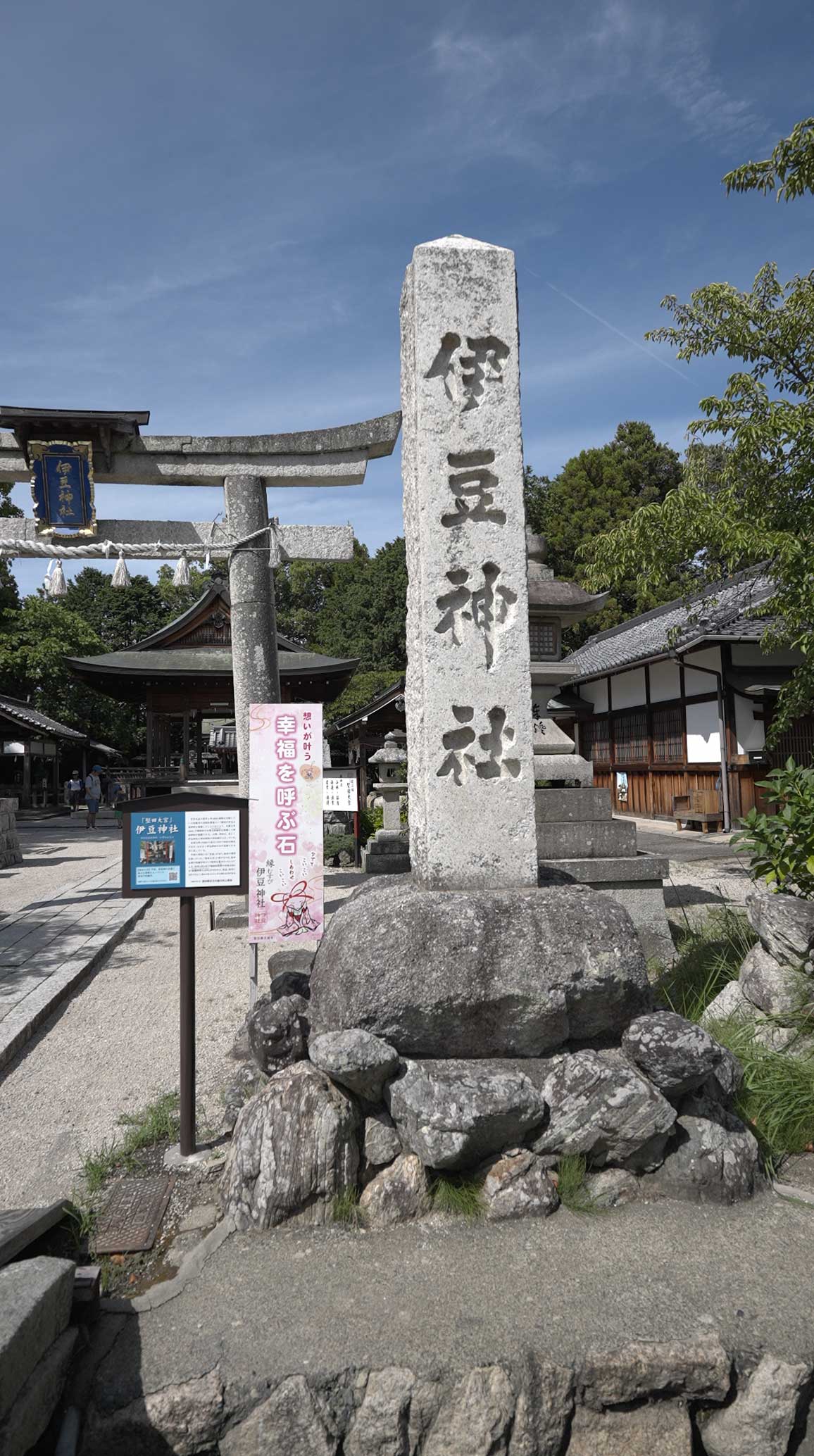
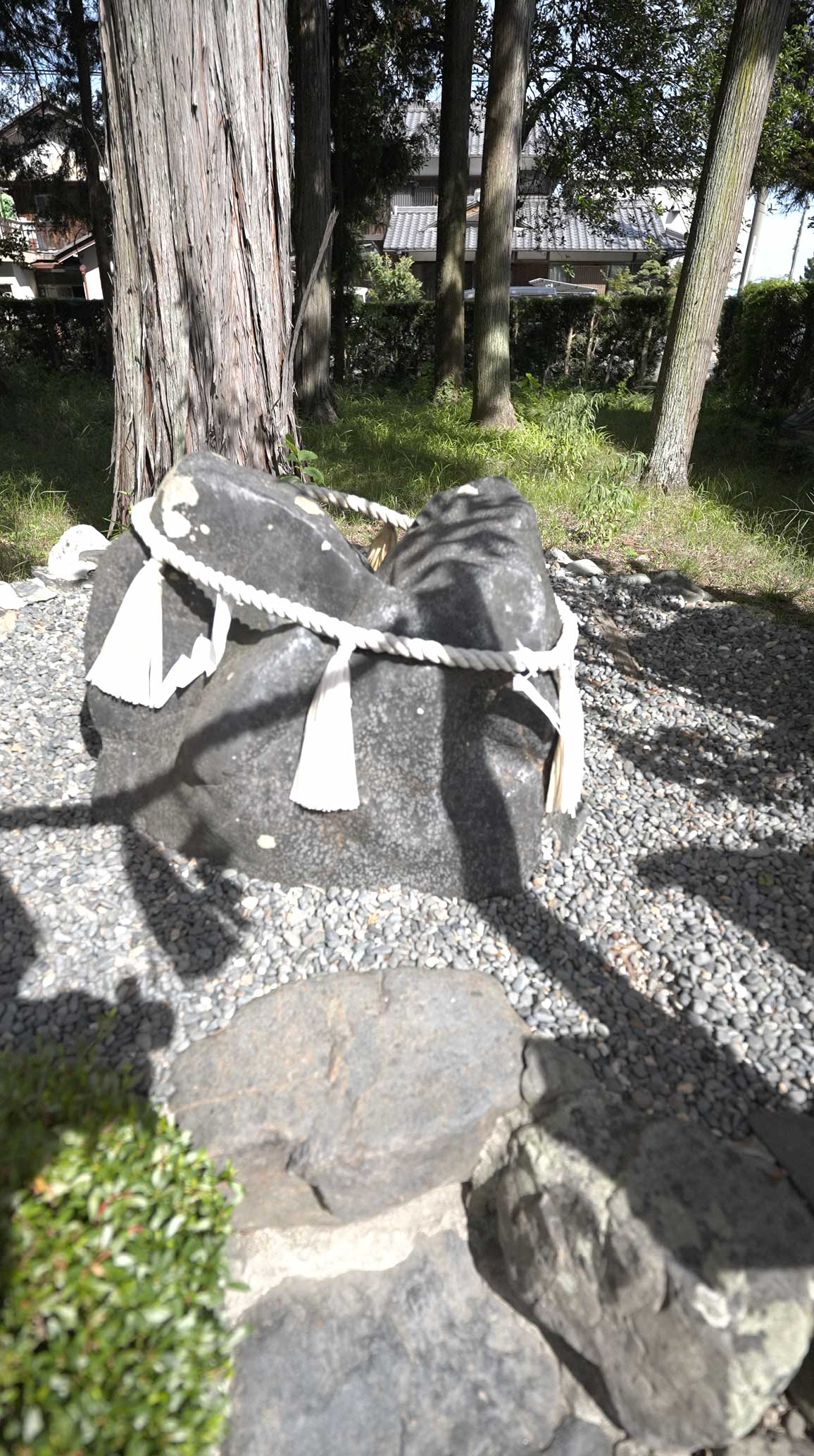
Somewhere in the grounds sits a heart-shaped sacred stone known as the “Stone that Calls Happiness” (幸福を呼ぶ石). The tradition is simple and lovely: gently stroke the top of the stone, and it is said to draw happiness toward you — and to help grant a wish for the person you hold in your heart.
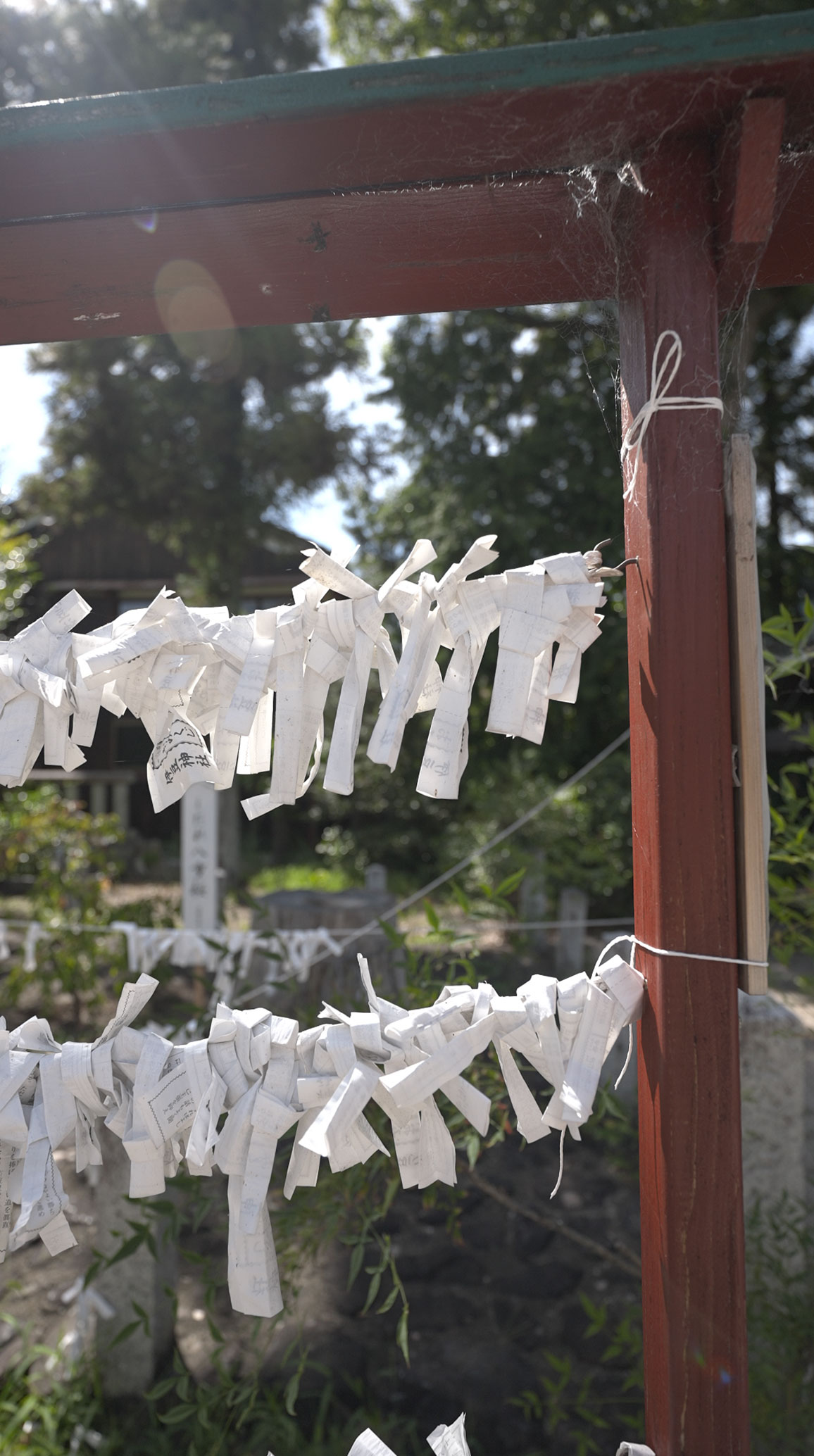
The theme carries through the shrine. Even the ema — the small wooden plaques on which visitors write their wishes and hang them to be received by the gods — are shaped like hearts here. In an otherwise hushed and solemn grove, this one corner glows with a slightly brighter, more hopeful energy. It’s the kind of quiet, sincere charm that photographs beautifully but feels even better in person.
Don’t forget to collect a goshuin, the calligraphic shrine stamp, as a keepsake of your visit — a small work of art you carry home.
Pair it with Ukimido, the hall that floats on the lake
One of the best reasons to make the trip to Katata is that Izu Shrine sits just steps from one of Lake Biwa’s most iconic sights: Ukimido.
Ukimido is a serene temple hall built out over the water on stilts, so that it appears to float on the surface of the lake. It has been celebrated in Japanese art and poetry for centuries, and the view of the hall against the vast, shifting backdrop of Lake Biwa — especially in the soft light of morning or the gold of late afternoon — is unforgettable.
Together, the two make a perfect slow half-day in Katata: the floating hall on the water, and the hidden shrine in its grove. If you’re wandering this lakeside town, let these be your gentle, unhurried pauses — the kind of moments that end up being the ones you remember most.
How to get to Izu Shrine from Kyoto
Here’s the part that surprises people: this pocket of old, quiet Japan is remarkably close to Kyoto.
- From Kyoto: Take the JR Kosei Line to Katata Station — the ride is only about 25 minutes from Kyoto Station.
- From Katata Station: Take the Kojak (Kojak Kotsu) bus and get off at the “Demachi” stop; the shrine is about a 3-minute walk from there.
- On foot / by car: The shrine sits near Ukimido in the Hon-Katata neighborhood, and the two are easily combined on foot.
You could easily fold Izu Shrine and Ukimido into a half-day escape from the city — a breath of lake air and local calm, and still be back in Kyoto by evening.
Plan your visit
| Name | Izu Shrine (伊豆神社) |
| Address | 1-19-26 Hon-Katata, Otsu, Shiga (near Ukimido) |
| Admission | Free to visit the grounds |
| Access | JR Kosei Line “Katata” Station → Kojak bus to “Demachi,” 3-min walk · approx. 25 min by train from Kyoto Station |
| Highlights | Heart-shaped “Stone that Calls Happiness,” heart-shaped ema, goshuin (shrine stamp) |
| Nearby | Ukimido (the “floating hall” on Lake Biwa) |
Details such as bus times and goshuin availability can change — it’s worth confirming locally or with the Biwako-Otsu tourism guide before your visit.
Frequently asked questions
What is Izu Shrine known for?
Izu Shrine is a quiet, historic shrine in Katata, Otsu, best known for its heart-shaped “Stone that Calls Happiness” and heart-shaped ema prayer plaques, which draw visitors hoping for happiness and love. It was once the grand guardian shrine of the powerful lakeside port town of Katata.
How old is Izu Shrine?
It was founded in the year 892, during the Heian period — more than 1,100 years ago.
Why is it called “Izu” when it’s in Shiga?
A monk from Mount Hiei’s Enryakuji Temple thought the local scenery resembled the distant Izu region (in present-day Shizuoka) and enshrined the deity of Mishima Grand Shrine here. The name “Izu” came with the god and stayed.
How do I get to Izu Shrine from Kyoto?
Take the JR Kosei Line from Kyoto Station to Katata Station (about 25 minutes), then a short bus ride (Kojak bus to “Demachi”) plus a 3-minute walk.
Is there an admission fee?
No. Visiting the shrine grounds is free.
What else is nearby?
Ukimido, a famous temple hall that appears to float on Lake Biwa, is just a short walk away and pairs perfectly with a visit to the shrine.
Click here for Biwa Lake cruise details and reservations.


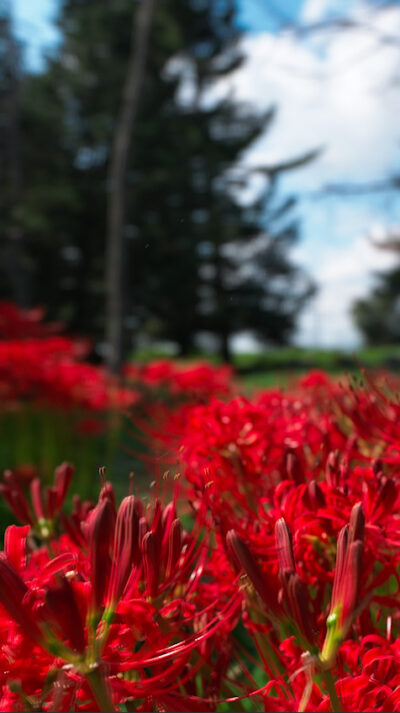
Genji-hama: Lake Biwa’s Quiet Field of Red Spider Lilies

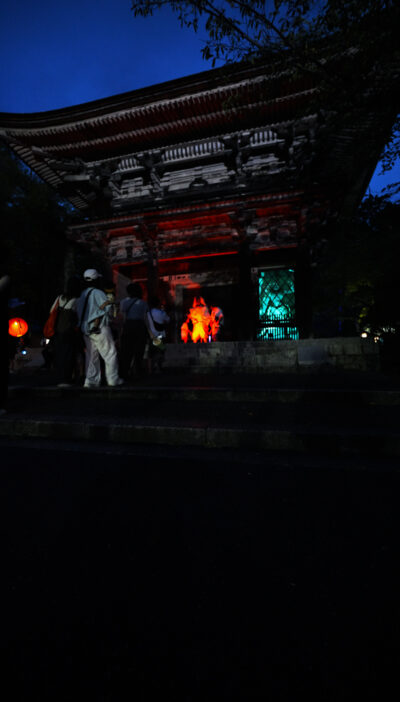
Saikyoji Summer Evening Illumination|Otsu, Shiga

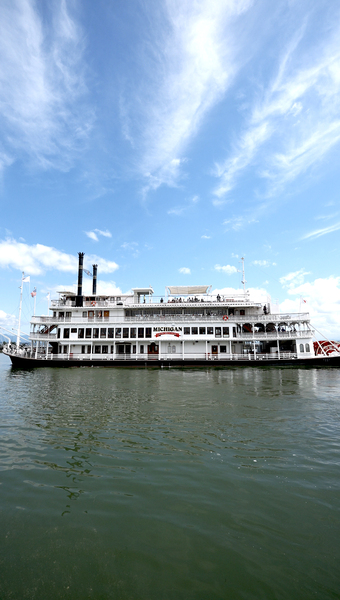
Michigan Cruise|Lake Biwa, Shiga
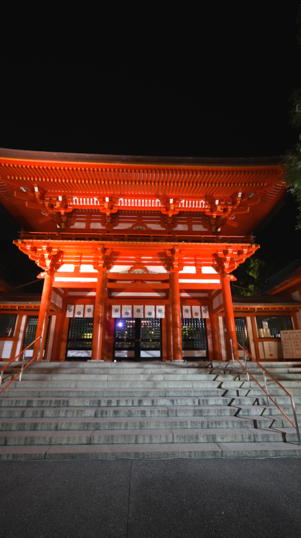
Omi Jingu Summer Illumination|Otsu, Shiga
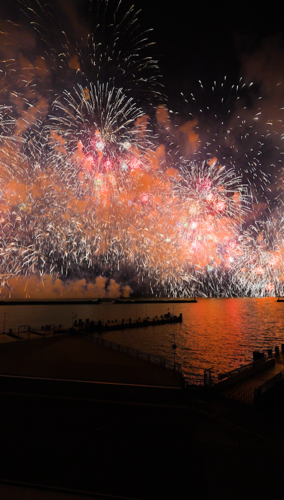
Biwako Fireworks Festival