Omi Jingu Summer Illumination|Otsu, Shiga
Some shrines you visit. This one, you fall into — like stepping through a door in time.
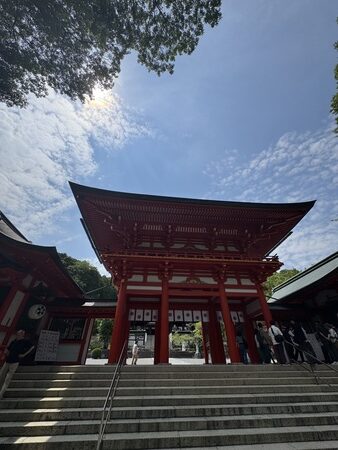
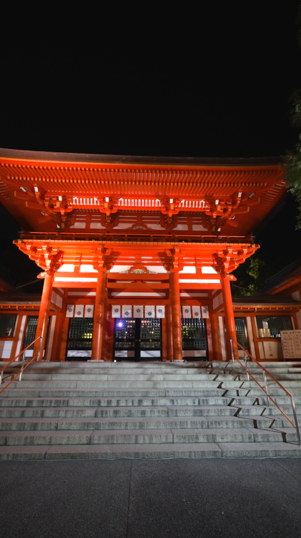
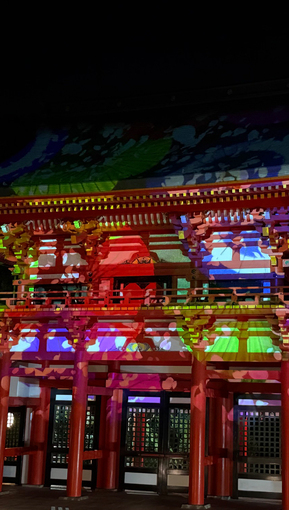
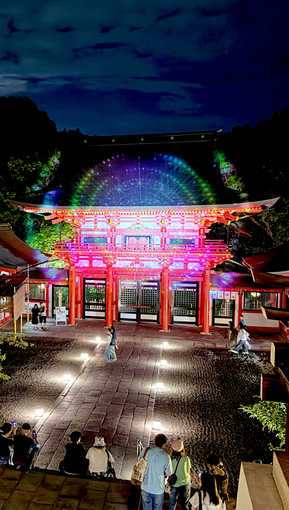
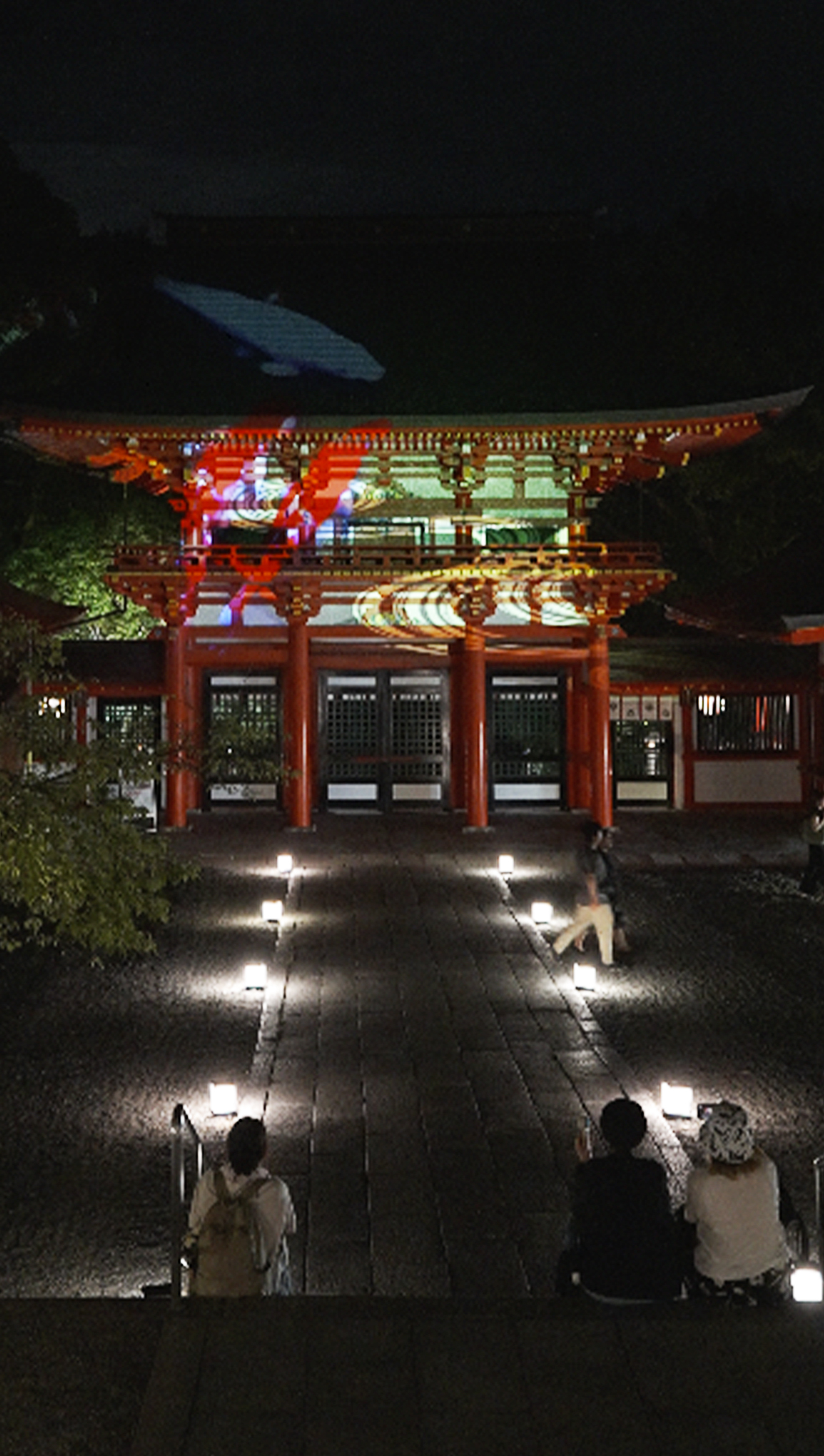
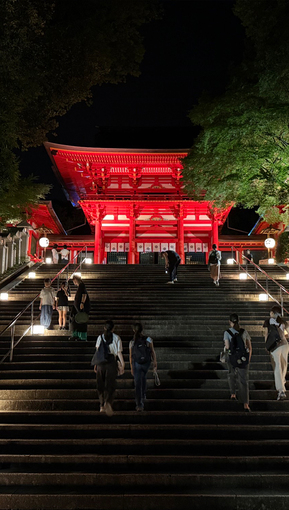
It’s a summer night in Otsu, and the air still holds the warmth of the day. You pass under the trees, the gravel soft underfoot, and then you see it: the great vermilion gate of Omi Jingu, glowing against the dark. At first it’s simply beautiful — that deep, unmistakable red lit from within the night. Then you wait a moment, and the gate begins to move. Clocks turning. Cherry blossoms drifting down and dissolving. Seasons folding into one another, spring into summer into autumn into winter and back again. This is projection mapping — but what it’s showing you isn’t a light show. It’s a story that has been kept in this place for 1,350 years.
Because Omi Jingu, more than almost anywhere in Japan, belongs to time itself.
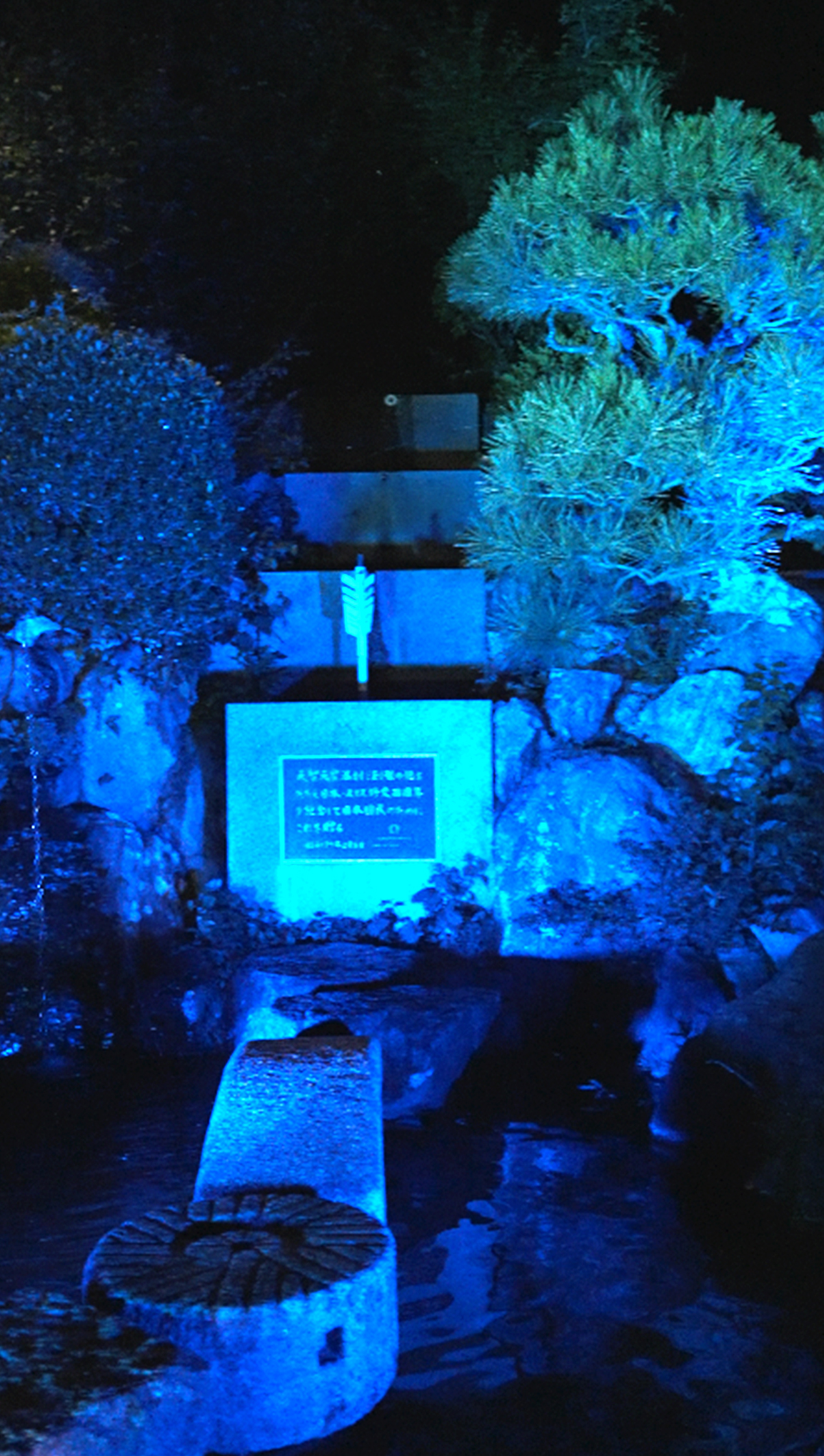
The shrine honors Emperor Tenji, remembered as the founding deity of time — the emperor said to have marked Japan’s very first hour with a water clock, more than thirteen centuries ago. That single fact is the seed the entire night grows from. Scattered through the grounds, the ancient ways of keeping time flicker to life in light: the rokoku water clock, a sundial, a fire clock — instruments that once told people when to rise, when to pray, when to rest, now glowing softly in the summer dark. Standing among them, you start to feel the strangeness of it. Time has been measured on this exact ground for longer than most countries have existed. And here you are, on an ordinary summer evening, standing inside that history.
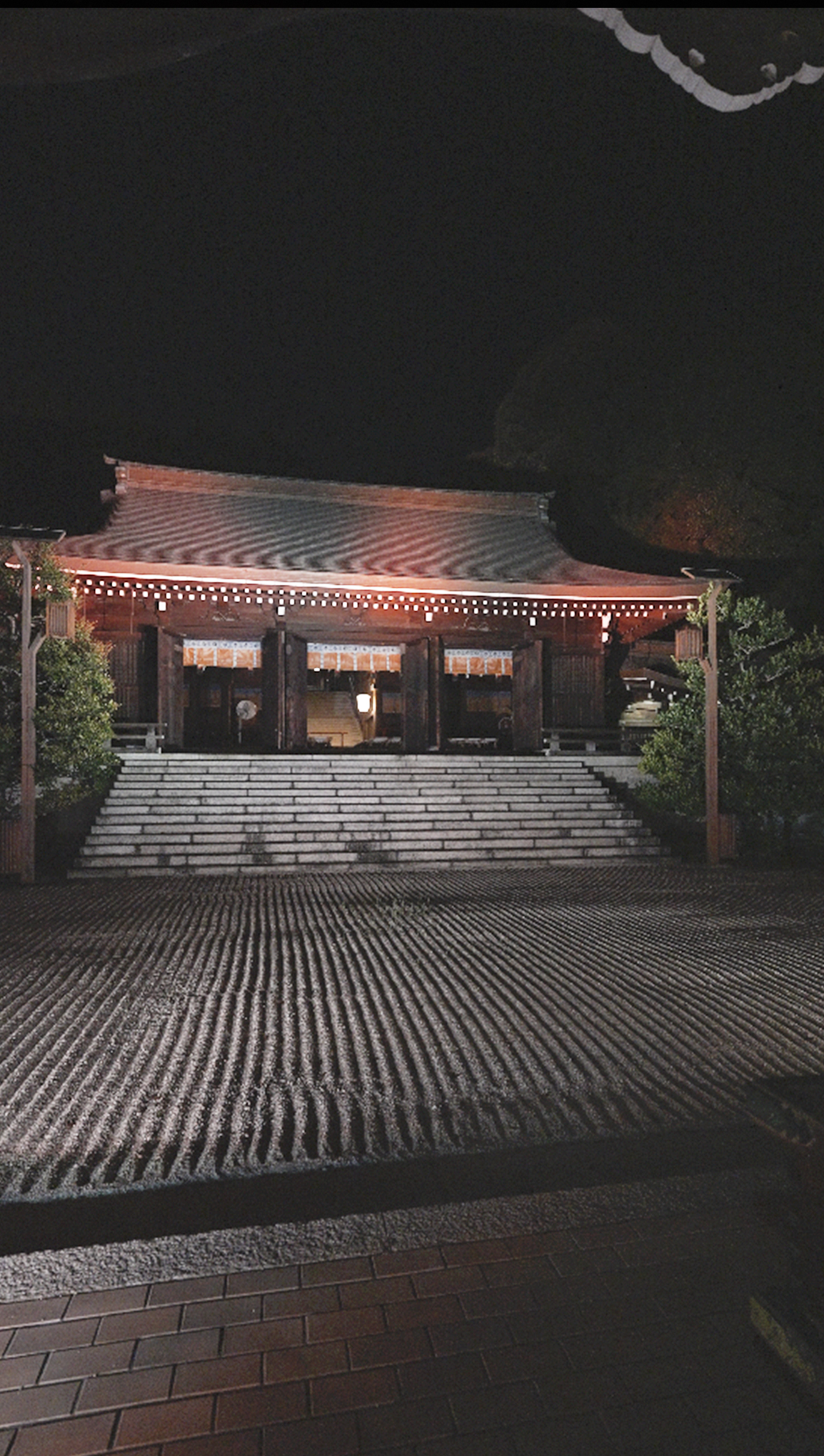
This year, the shrine has opened the illumination for far longer than ever before, and the whole precinct is bathed in a dreamlike glow — not just the gate, but the paths, the trees, the quiet corners you’d walk past in daylight without a second look. It rewards wandering. Turn down a side path and the light finds you there too.
And then there’s a second story, layered gently over the first.
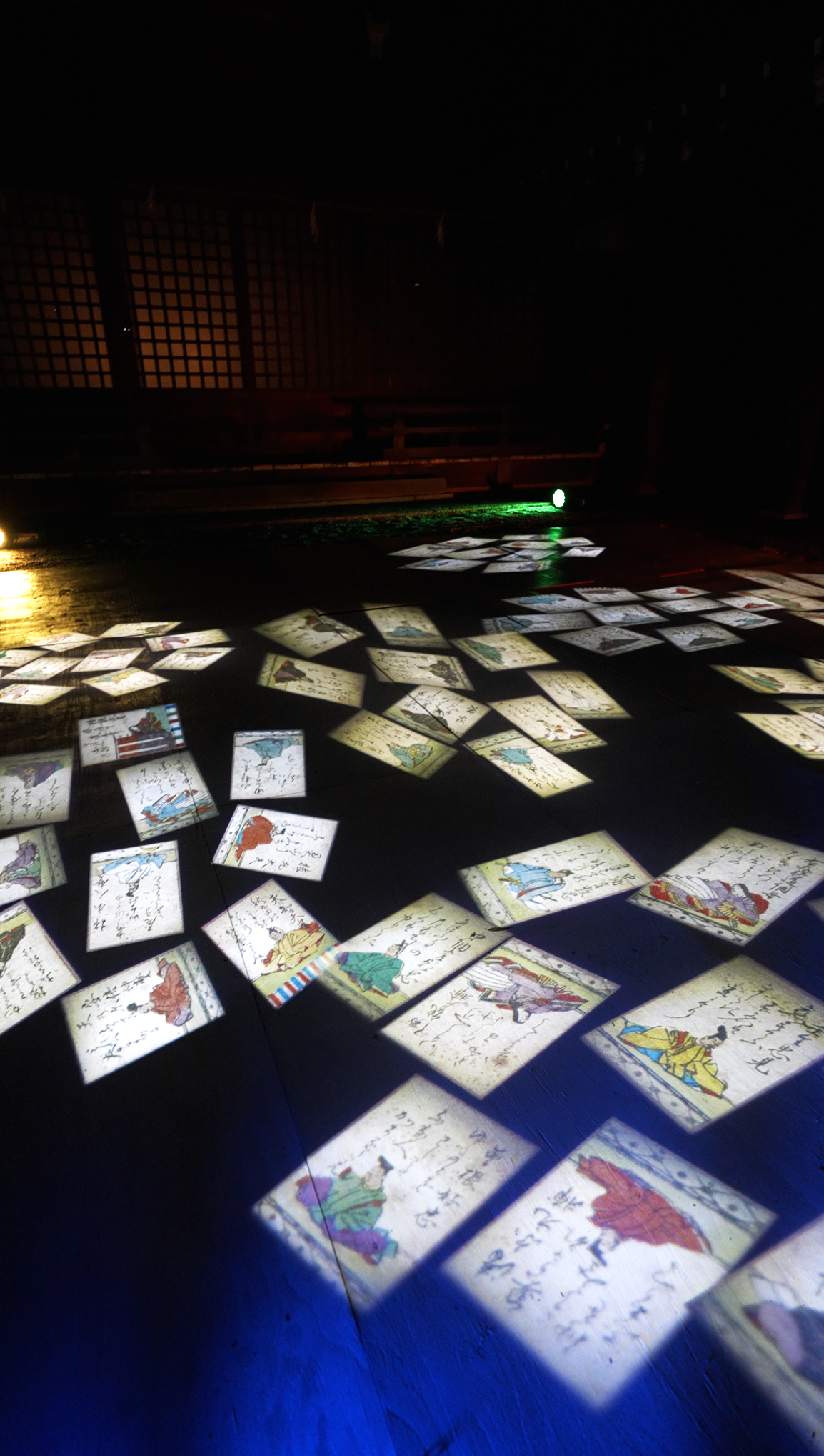
Fans of the film Chihayafuru will recognize this place the moment they arrive — because Omi Jingu is the spiritual home of competitive karuta, the lightning-fast card game built on the classical Hyakunin Isshu poems. Every summer, high schoolers from every corner of Japan travel here to compete for the national title, kneeling in silence before the cards, waiting for the first syllable that sends hands flying. It’s a scene that has moved manga readers and moviegoers around the world. On these illuminated nights, light drawn from those hundred poems spills across the grounds, and for a moment the world of the story feels close enough to step into. If you’ve ever loved that film, standing here is its own quiet kind of pilgrimage.
By day, Omi Jingu is crisp and solemn and still — the kind of place where you lower your voice without being told to. By night, it becomes something else entirely: strange, hushed, dreamlike, quietly magical. Walk slowly enough through the light and you half-forget which century you’re standing in. Past and present stop feeling like opposites. That, more than any single installation, is what stays with you afterward — the sense that for one evening, time loosened its grip.
Here’s the part worth knowing if you’re already in Kansai: none of this is far away.
So many travelers pour into Kyoto and never realize that just over the hill, a completely different world is waiting — quieter, greener, wrapped around the shores of Japan’s largest lake. Omi Jingu is only a 5-minute walk from Keihan “Omi-jingu-mae” Station, and about 30 minutes by train from Kyoto Station. You could spend your day among Kyoto’s temples and still be standing beneath this glowing gate by nightfall. Shiga is right next door to Kyoto — the quiet side, the one most visitors miss, and all the better for it.
So if you’re spending this summer in Kyoto, give just one evening to the lake country next door. Come to Omi Jingu after dark, let the vermilion gate come alive in front of you, and let the light walk you gently through time. Some nights you remember for the photos. This is the kind you remember for the feeling.
📍 Omi Jingu (1-1 Jingu-cho, Otsu, Shiga)
🏮 Summer Illumination|July 18 – Aug 23, 2026 · Sat / Sun / holidays + Aug 14 · 19:00–21:00
💴 Adults (high school & up) ¥600 / elementary & junior high ¥300 / preschoolers free
🚃 5-min walk from Keihan “Omi-jingu-mae” Station · approx. 30 min by train from Kyoto Station
🚗 Free parking available
ℹ️ To check which nights feature the Hyakunin Isshu lights, see the official Omi Jingu site or the Biwako-Otsu tourism guide
Click here for Biwa Lake cruise details and reservations.


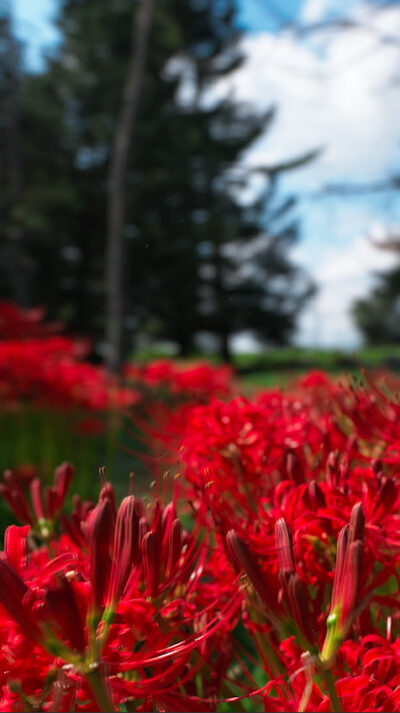
Genji-hama: Lake Biwa’s Quiet Field of Red Spider Lilies


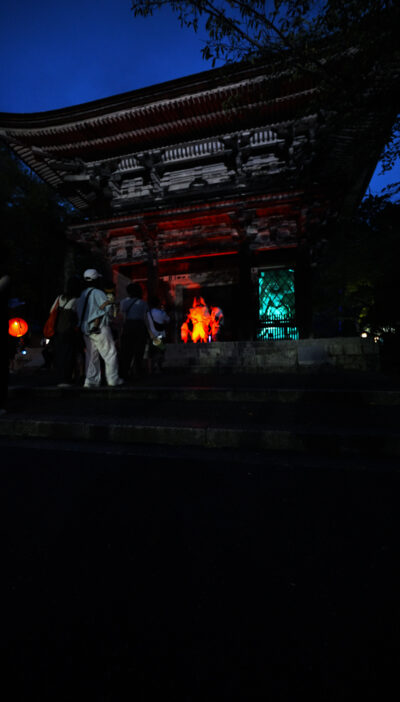
Saikyoji Summer Evening Illumination|Otsu, Shiga

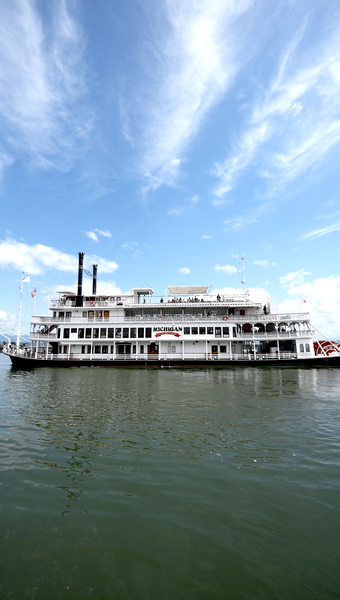
Michigan Cruise|Lake Biwa, Shiga
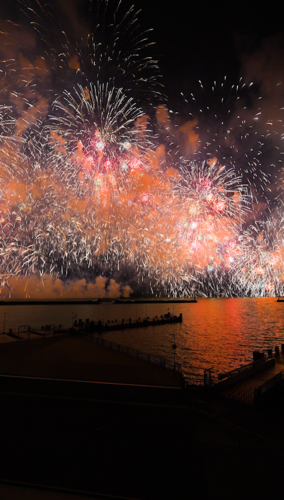
Biwako Fireworks Festival