You’ll hear it before you see it. 🎐
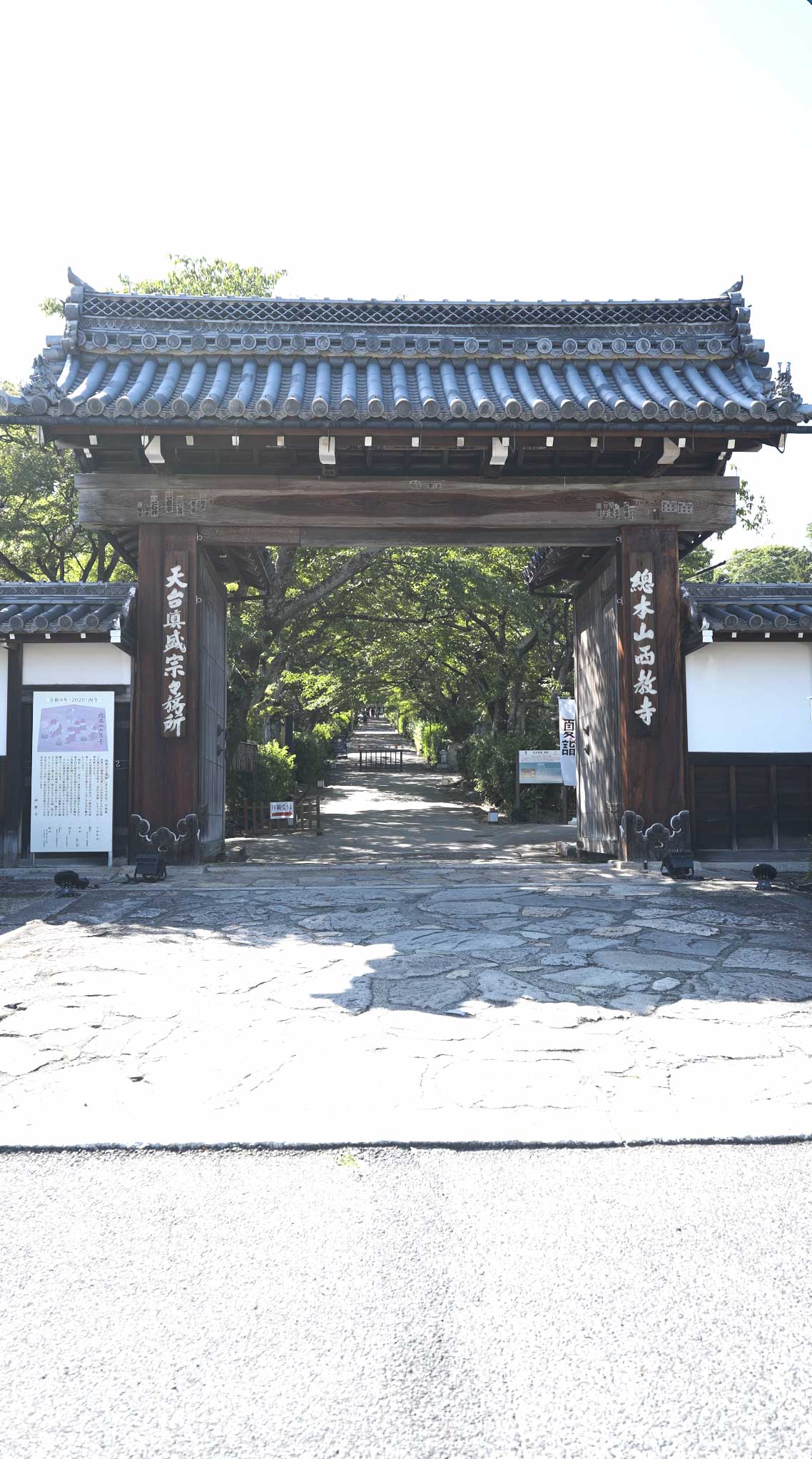
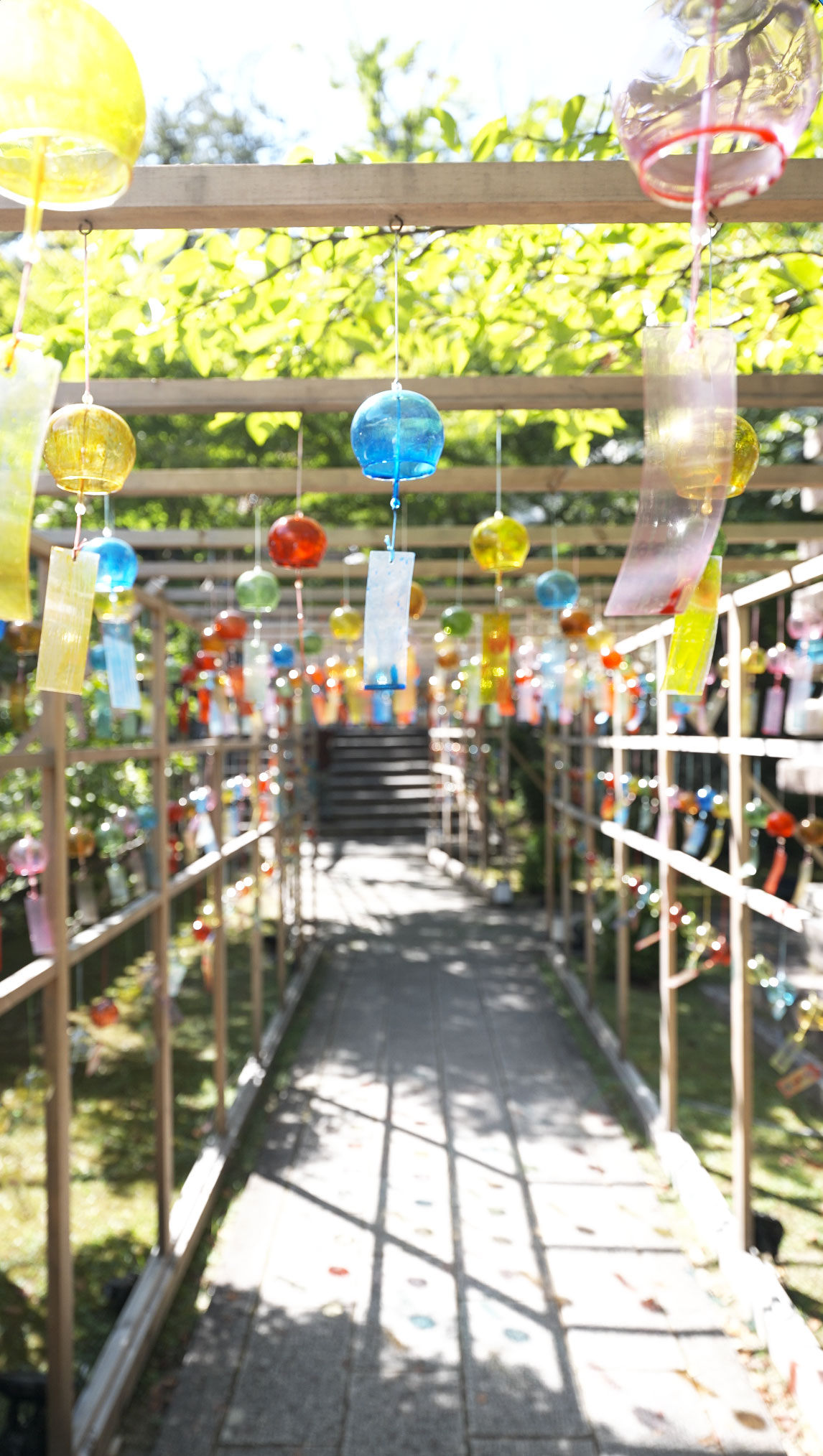
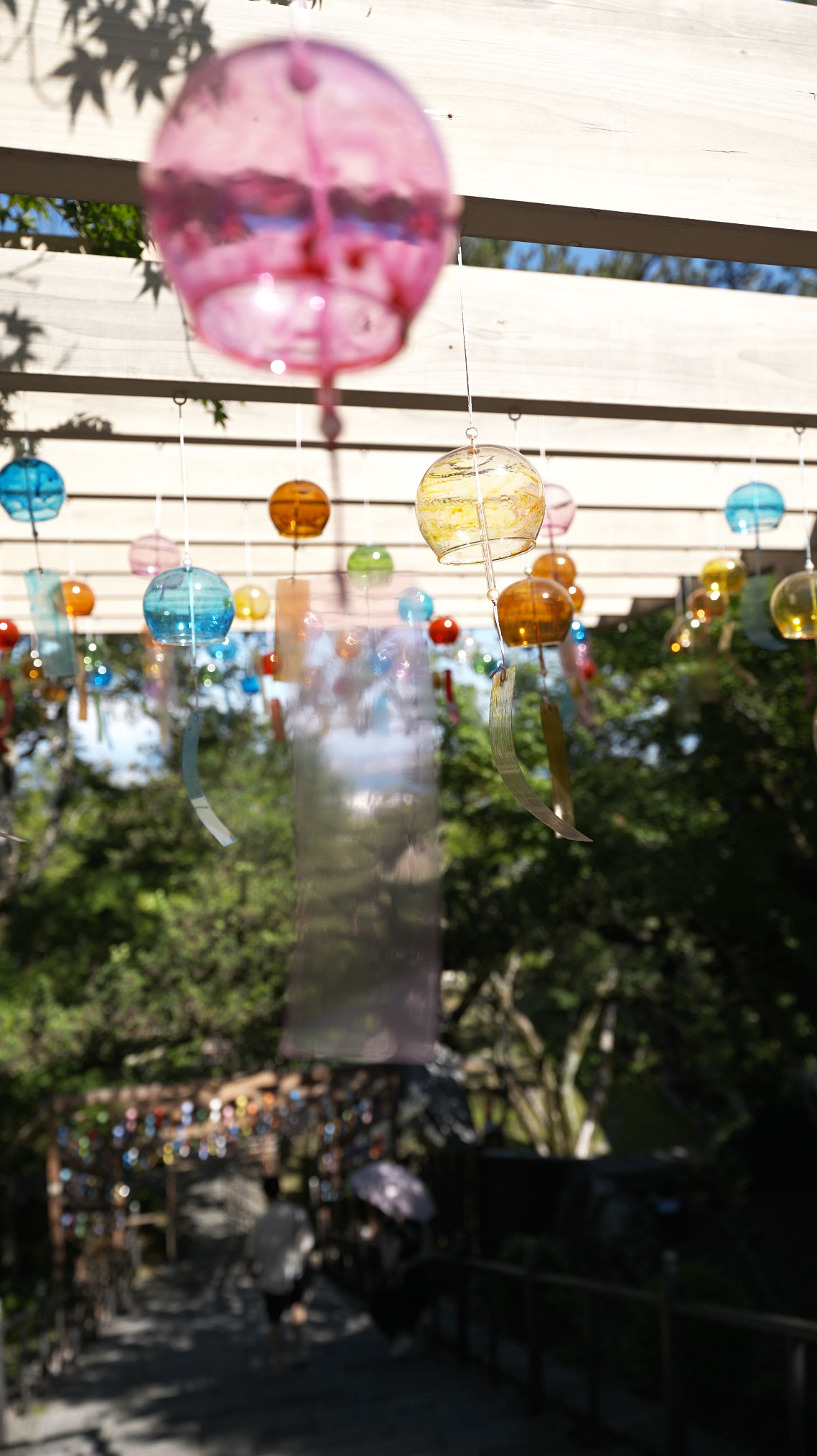
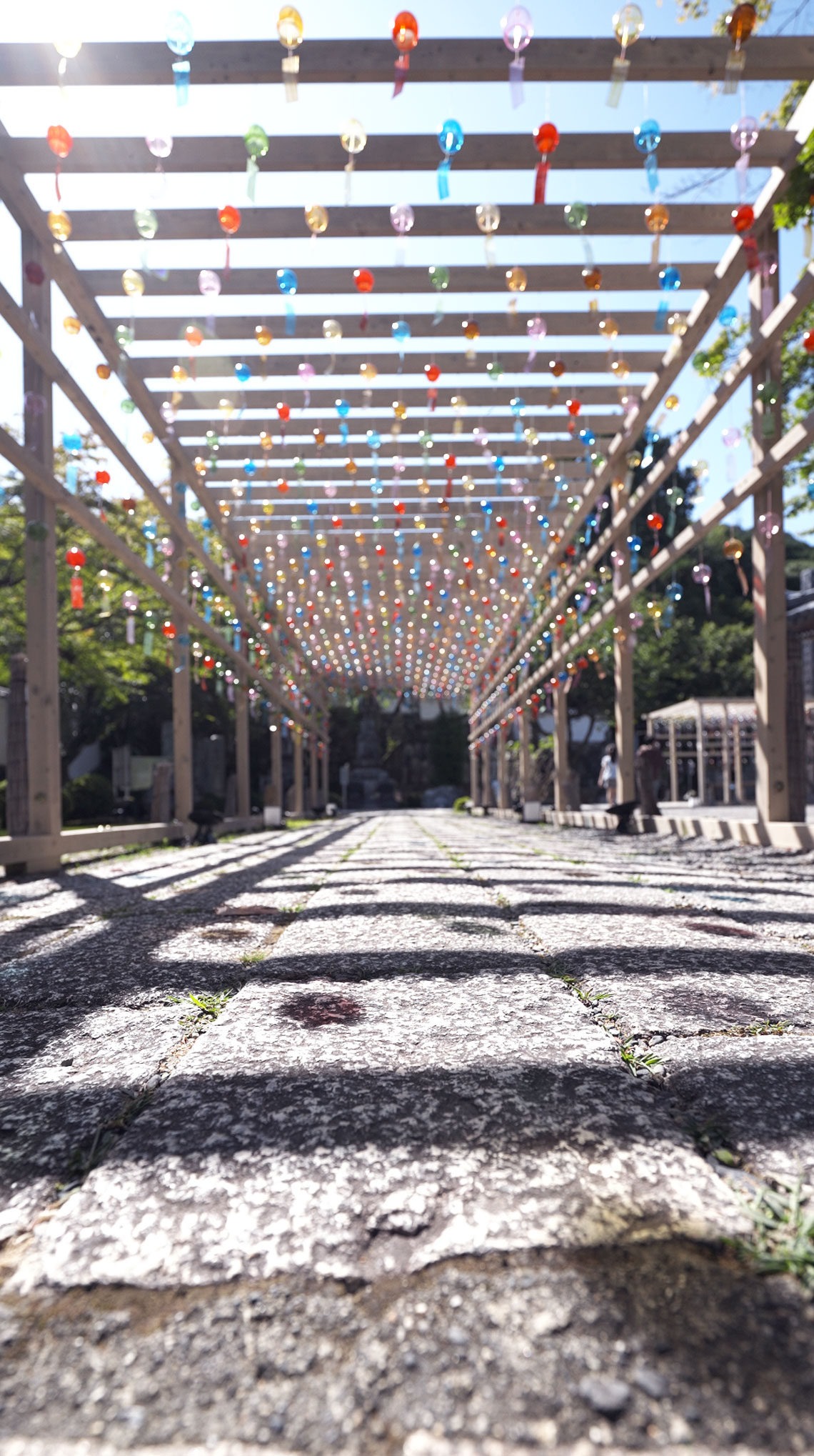
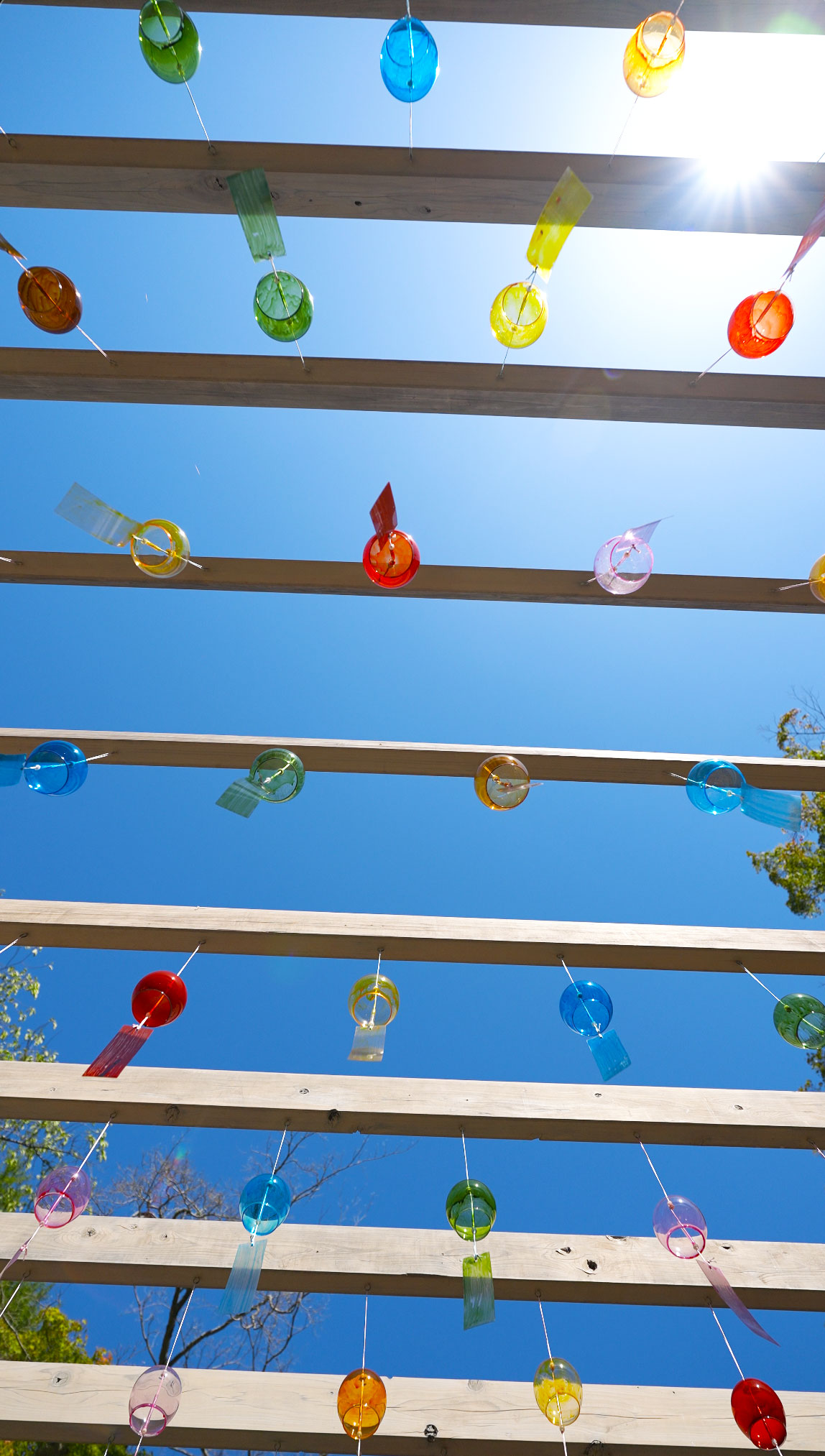
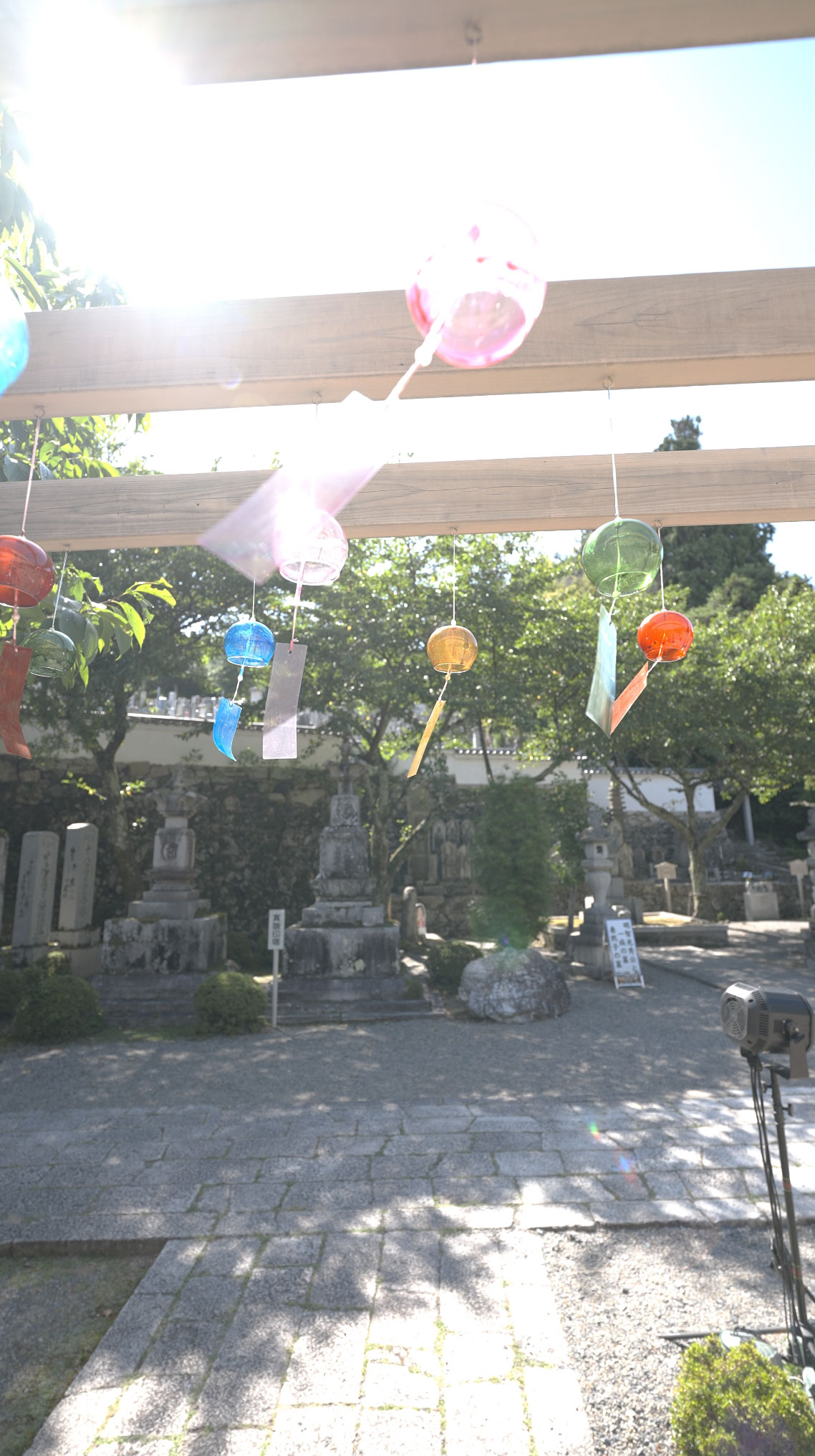
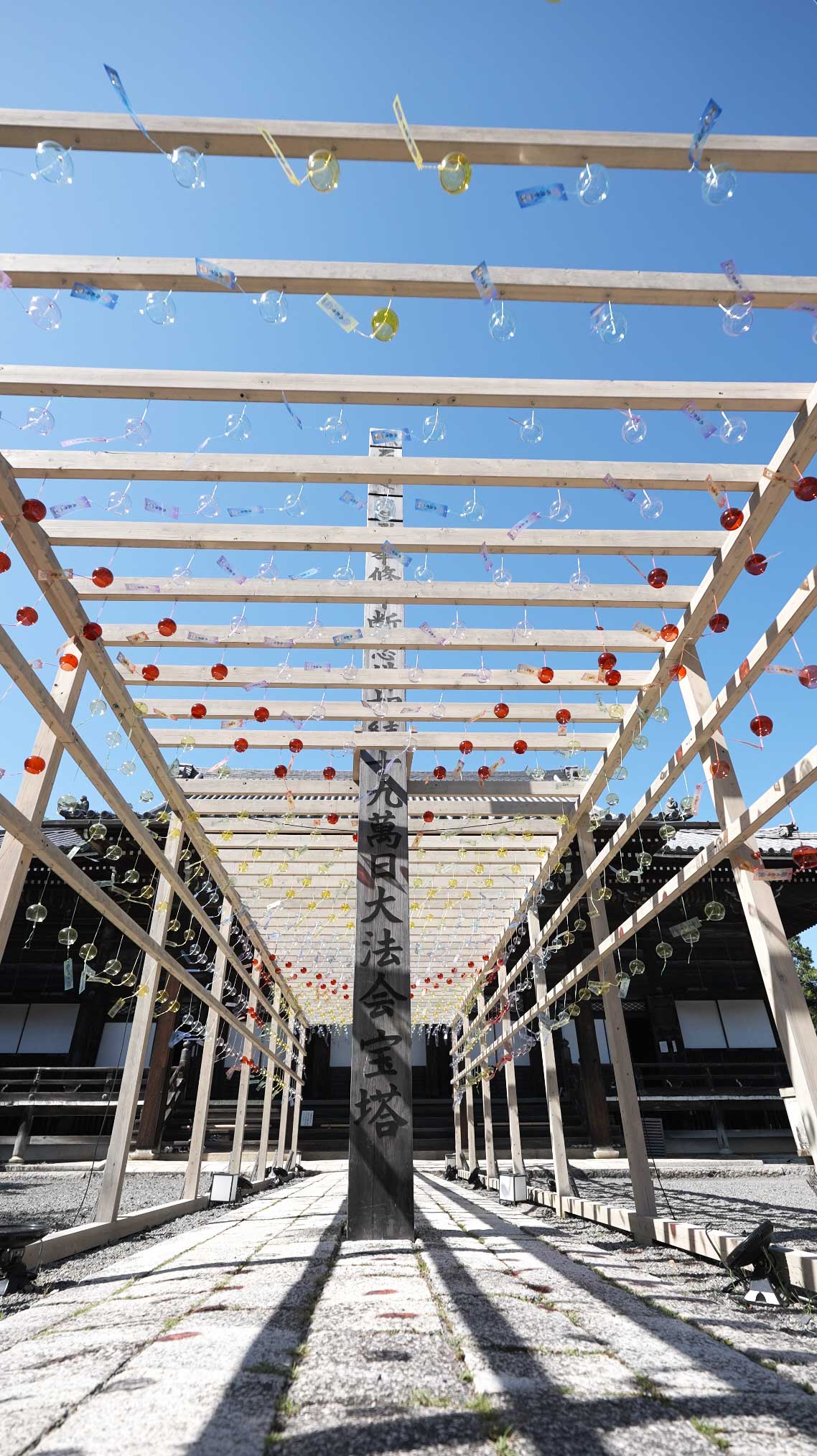
Start up the long stone approach at Saikyoji, and the sound reaches you first — a faint shimmer of tiny bells on the breeze, somewhere ahead through the trees. You slow down without meaning to. Then the path curves, and there they are: thousands of glass wind chimes, strung in glittering rows along the entire walk up to the main hall. For a second you just stop and take it in. This 1,000-year-old temple rests at the foot of Mount Hiei, in the quiet old town of Sakamoto in Otsu, and every summer it transforms its approach into this — a corridor of colour and sound that seems to hum with life.
Look up, and it’s all deep blue sky and the fresh, almost luminous green of young maple leaves. Look ahead, and the chimes stretch on in every colour you can name — cranberry red, sea glass, amber, cobalt — each one catching the light a little differently. And then the wind arrives. They don’t ring politely, one at a time. They all sound together, a rolling wave of chirin, chirin, chirin that sweeps down the whole path and washes right over you. You’re not listening to it from the outside. You’re standing in the middle of it. If you’ve ever wondered what the Japanese really mean by the “coolness” of summer — suzushisa — this is the answer. It isn’t cold air. It’s a feeling, delivered entirely through sound, a shiver of relief on the hottest, most humid afternoon.
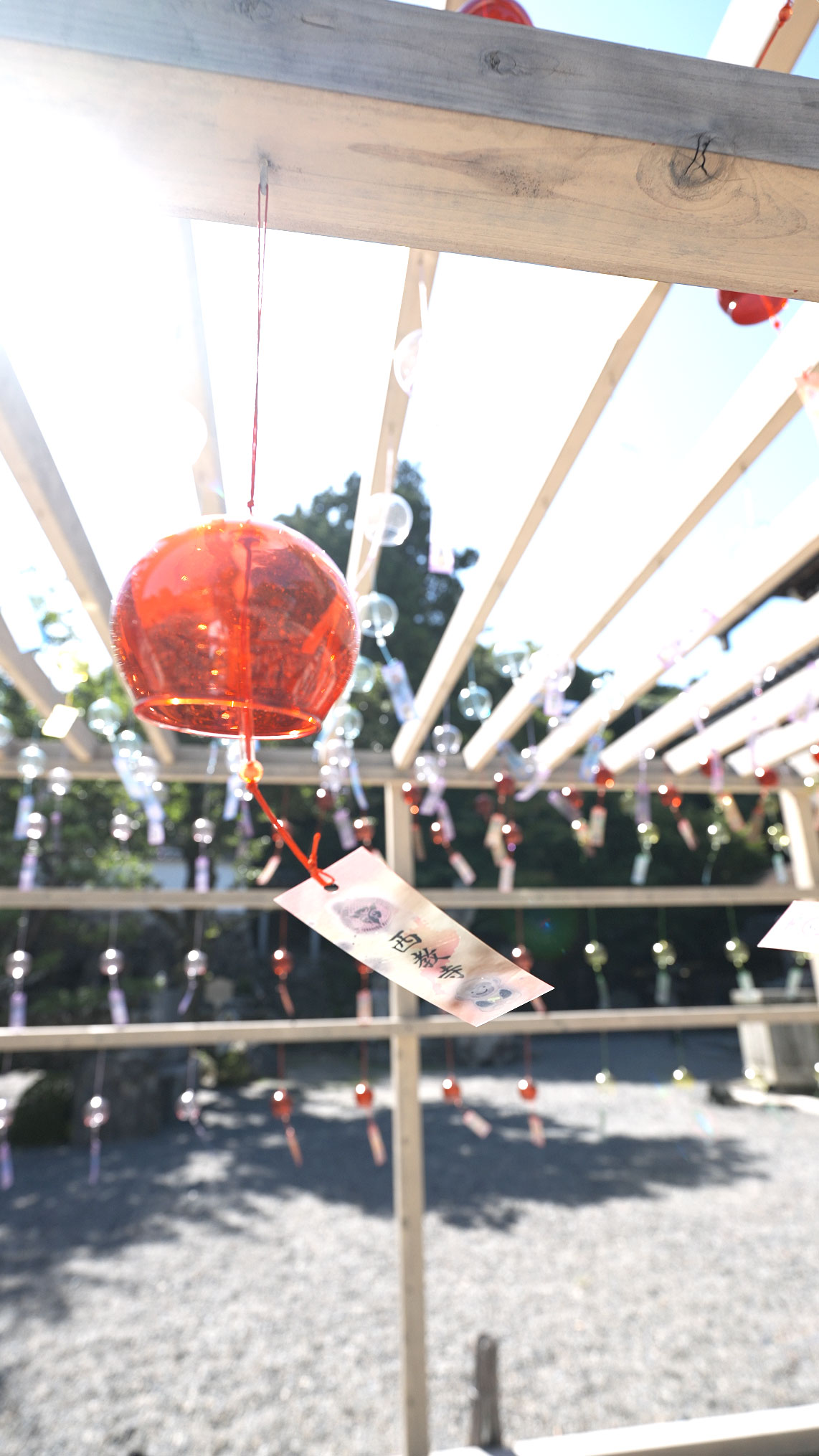
There’s real meaning woven through all that beauty, too. For centuries in Japan, a wind chime — a furin — has carried a quiet wish: to invite in a cooling breeze, and to turn away misfortune and ill fortune before it can settle. Traditionally you’d hang a single one under the eaves of your home and let its small voice mark the passing wind all summer long. Here at Saikyoji, that one familiar sound has been multiplied by the thousand and spread across an entire temple path. So it isn’t only lovely to look at, and it isn’t only a photo opportunity. It’s the sound of thousands of small prayers, ringing all around you at once. Once you understand that, the whole place feels different — less like a display, more like a blessing you happen to be walking through.
So don’t rush it. This is a place that rewards slowing down. Try your hand at painting your own wind chime — a hands-on experience you can carry home, so the sound of this path follows you back to your own window. Or simply find a quiet spot along the walk, sit for a moment, close your eyes, and just listen. Your camera won’t want to stop, and it shouldn’t — the visuals here are genuinely stunning — but remember that the truest souvenir of this place is a sound, and a sound asks for your attention in a way a photograph never will. Give it a minute of stillness. You’ll be glad you did.
And when you’re ready, look a little closer at the grounds themselves, because there’s deep history layered beneath the summer lightness. Saikyoji is the family temple — the bodaiji — of Akechi Mitsuhide, one of the most famous and most fiercely debated figures of Japan’s age of warring samurai. A brilliant, cultured general who served the warlord Oda Nobunaga and then, in one of the most dramatic turns in all of Japanese history, betrayed him — Mitsuhide has fascinated the country for over four centuries. As lord of nearby Sakamoto Castle, he restored this very temple, and today he lies here in rest, alongside his clan, in quiet graves just a few steps from the ringing path. There’s something quietly moving about it: the lightness of a wind chime and the weight of samurai history, the fleeting and the eternal, sharing the same summer air. It’s a contrast you’ll find in this exact spot and almost nowhere else.
Here’s the part worth knowing if you’re already in the Kyoto area: reaching all of this is barely a detour. So many travellers pour into Kyoto for a week and never realise that just over the mountains lies a completely different Japan — greener, calmer, wrapped around the shores of Lake Biwa, the largest lake in the country. Spend your morning among Kyoto’s crowded streets and golden temples, hop on a train, and within the hour you can be walking a wind-chime path in the cool shade of Mount Hiei, with hardly another foreign visitor in sight. Shiga is right next door to Kyoto — the quieter side, the one most people miss entirely. And those who do make the trip almost always come back saying the same thing: that they can still hear it.
So this summer, give one afternoon to the lake country next door. Come and stand in the middle of a thousand ringing chimes. Some places you visit for the view. This is one you visit for the sound — and it stays with you long after you’ve gone home. 🍃
📍 Sohonzan Saikyoji|5-13-1 Sakamoto, Otsu, Shiga
🎐 Wind Chime Path — early summer to early autumn, during daytime visiting hours
💴 Admission fee required
🚃 4–7 min by bus or on foot from Keihan “Sakamoto-Hieizanguchi” / JR “Hieizan-Sakamoto” · reachable from Kyoto by train + bus
🚗 Free parking (approx. 100 spaces)
ℹ️ Event dates & wind-chime painting details → official Saikyoji site
Click here for Biwa Lake cruise details and reservations.


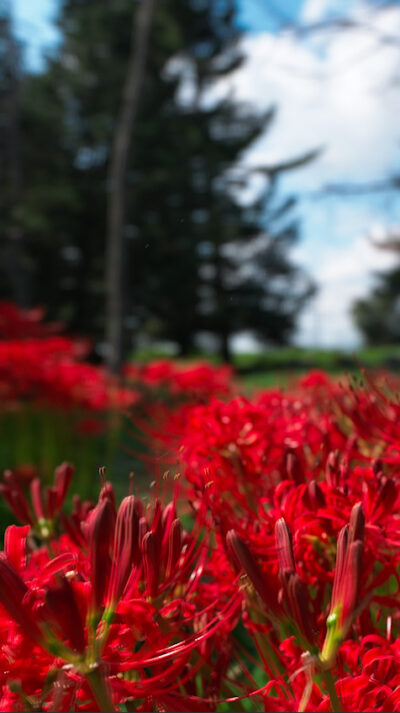
Genji-hama: Lake Biwa’s Quiet Field of Red Spider Lilies


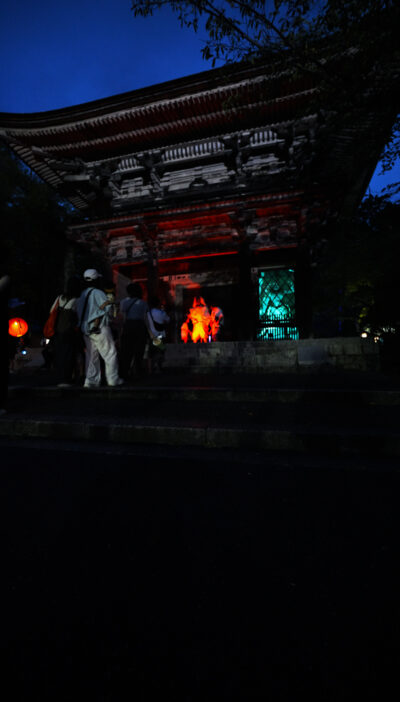
Saikyoji Summer Evening Illumination|Otsu, Shiga

Michigan Cruise|Lake Biwa, Shiga
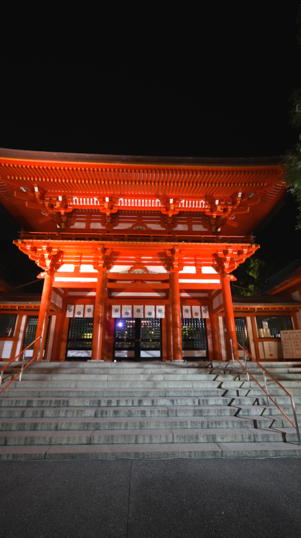
Omi Jingu Summer Illumination|Otsu, Shiga

Biwako Fireworks Festival