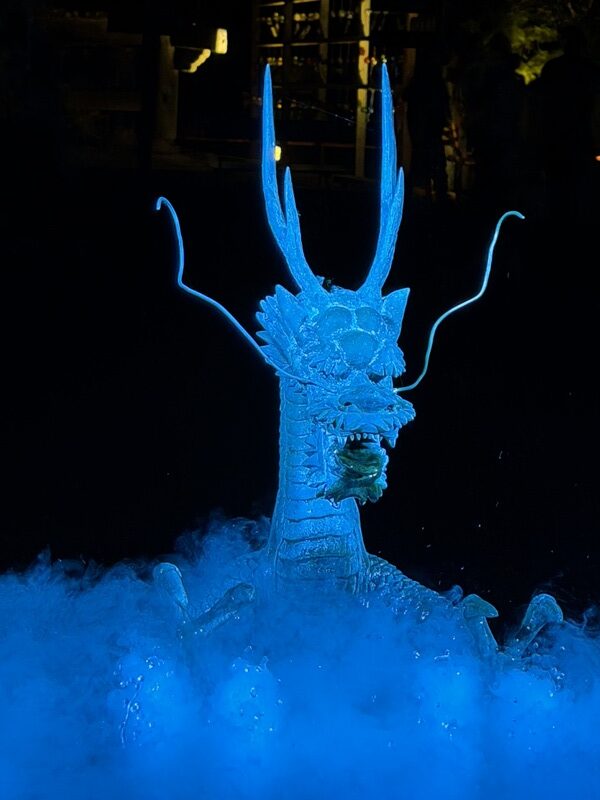
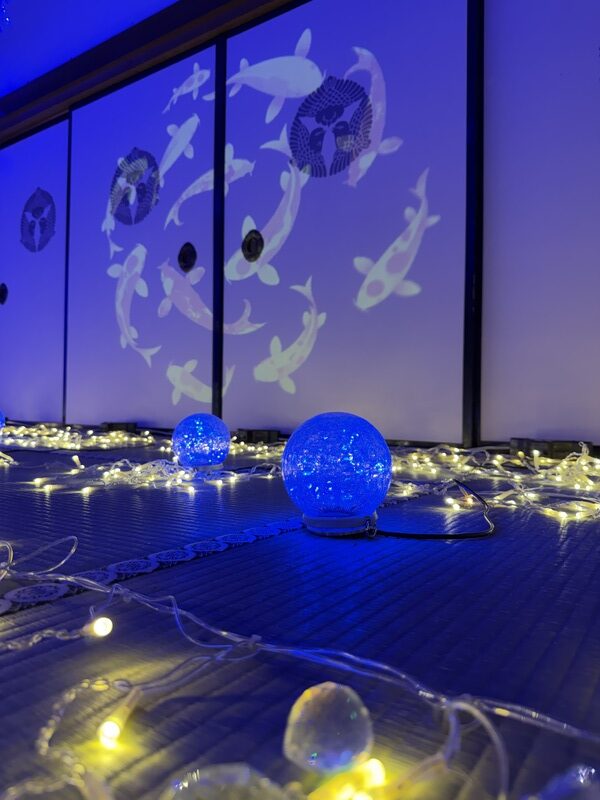
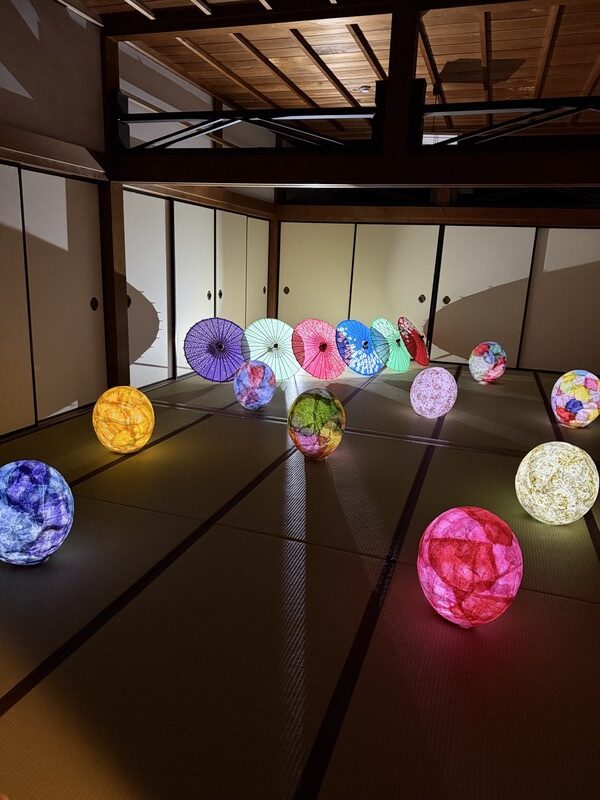
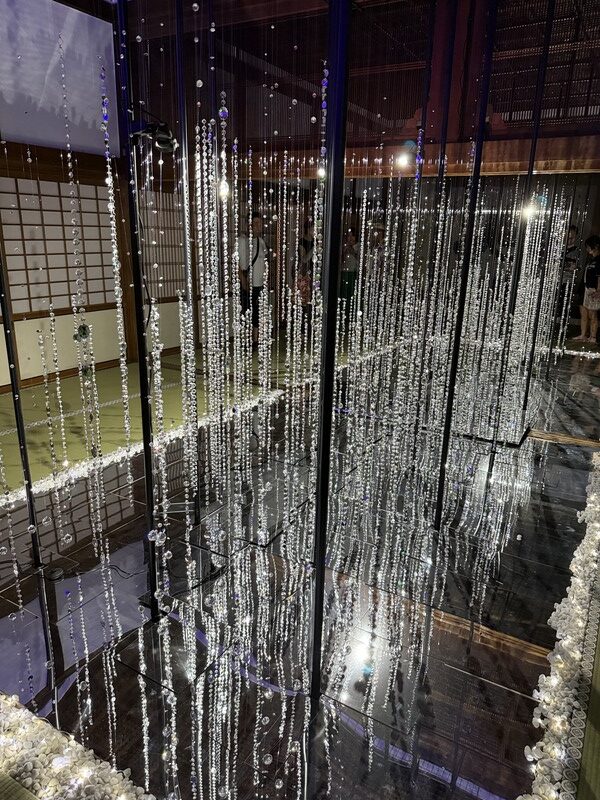
Saikyoji Summer Evening Illumination|Otsu, Shiga
Saikyoji Summer Evening Illumination: A Paradise Woven from Light, Just Beyond Kyoto
A 1,000-year-old temple at the foot of Mount Hiei fills its summer nights with thousands of wind chimes and a wash of colored light. Here’s why the Saikyoji illumination belongs on your Shiga itinerary — and how to reach it from Kyoto in under an hour.
The moment you step onto the path
After dark, a single wind chime sounds somewhere along the temple approach. Then another. Then a hundred more.
This is Saikyoji on a summer evening — and it is nothing like the temple you would meet by day.
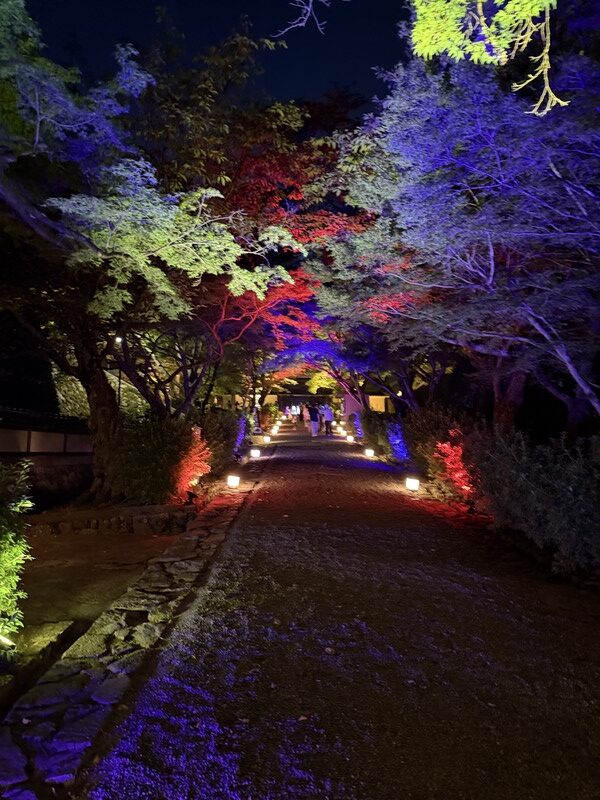
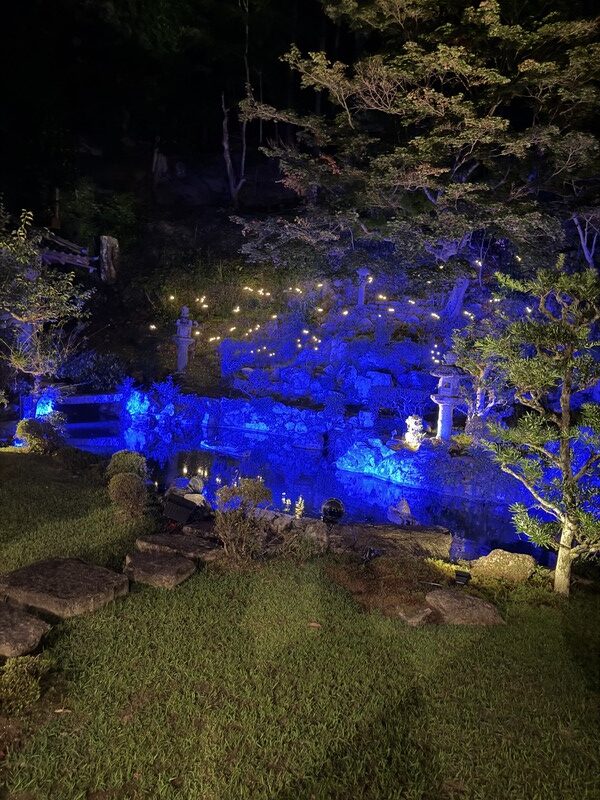
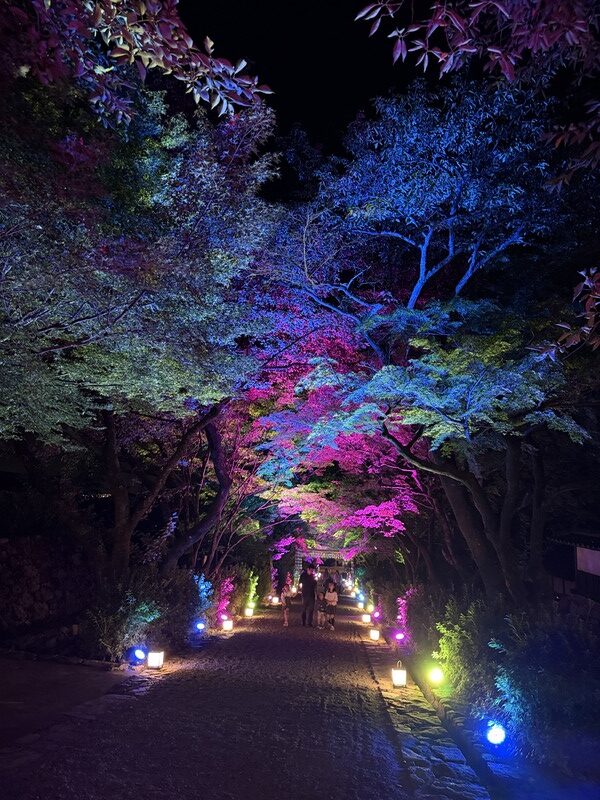
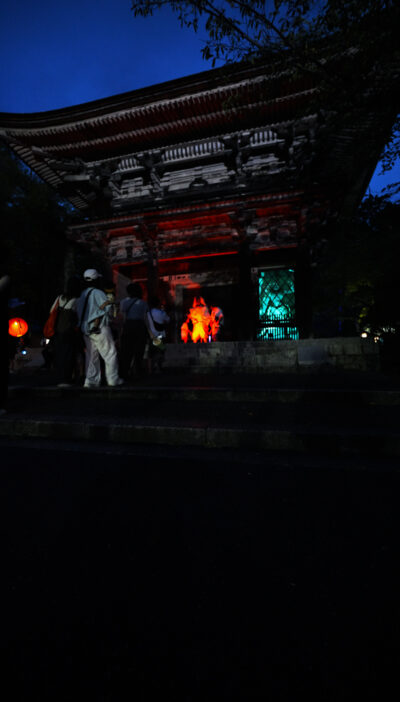
Set in Sakamoto, a quiet old town at the eastern foot of Mount Hiei in Otsu, Shiga, Saikyoji is the head temple of the Tendai Shinsei school of Buddhism. For most of the year it wears exactly the serene, contemplative calm you would expect of a place with more than a thousand years of history behind it. But for a stretch of summer evenings, the temple transforms. The long approach fills with countless glass wind chimes, the ancient halls glow under soft, shifting light, and the whole precinct becomes something the temple aptly calls A Paradise Woven from Light.
If you are spending time in Kyoto and looking for one evening that feels genuinely different — quieter, cooler, and far from the crowds — this is it.
Walking through a corridor of sound and light
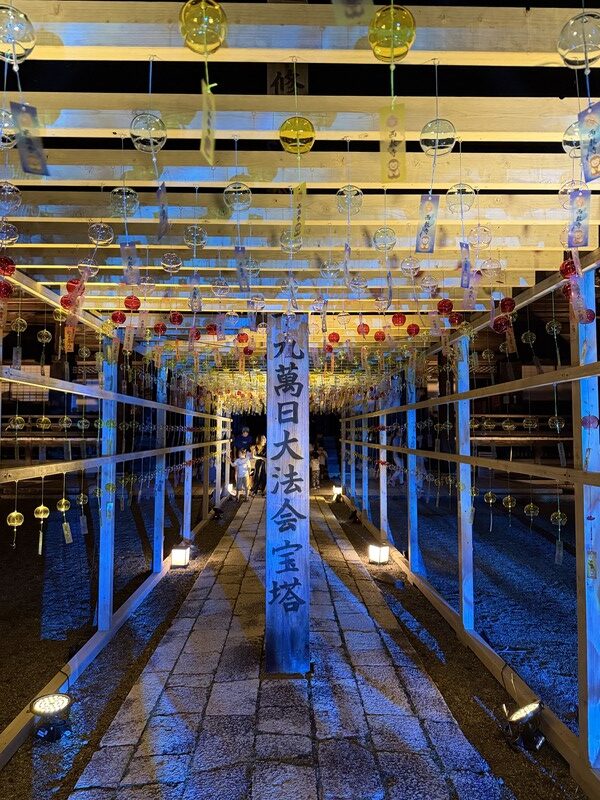
The heart of the experience is the approach itself. Rack after rack of wind chimes line the path leading up toward the main hall, and as the evening breeze moves through them, they don’t ring one at a time — they sound all together, a rolling wave of chirin, chirin that washes over you as you walk.
There is a particular Japanese word for the sensation of coolness on a hot, humid night: suzushisa. It doesn’t mean cold air. It means the feeling of cool — a breeze, a sound, a moment of relief — and standing in the middle of this ringing path is about the purest expression of it you’ll find anywhere.
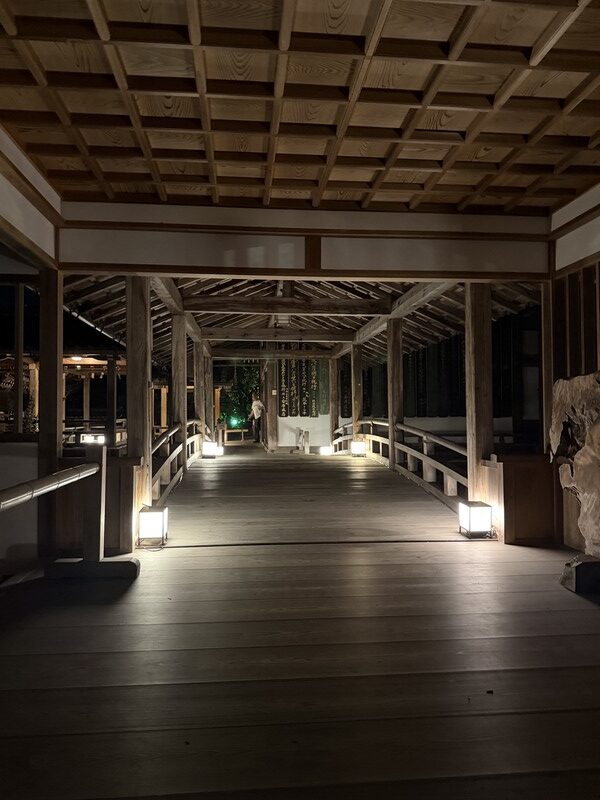
Around you, the temple’s historic architecture rises softly out of the darkness, lit in a way that reveals a completely different character from the daytime. Two buildings in particular are worth pausing for, and both are designated National Important Cultural Properties:
- The main hall (Hondo), built entirely of keyaki zelkova wood — a rare and imposing structure that takes on a warm, almost living glow under the illumination.
- The guest hall (Kyakuden), which was relocated to Saikyoji from Fushimi Castle, the famous castle associated with the warlord Toyotomi Hideyoshi.
By day these are quietly impressive. By night, lit and reflected, they feel transported out of ordinary time.
The samurai buried beyond the chimes
There is a deeper layer of history here that gives the lightness of the wind chimes a striking counterweight.
Saikyoji is the bodaiji — the family temple — of Akechi Mitsuhide, one of the most famous and most fiercely debated figures in all of Japanese history. A cultured and capable general, Mitsuhide served the great unifier Oda Nobunaga before turning against him in 1582 in the Honno-ji Incident, one of the most dramatic betrayals the country has ever known. The story has been retold for over four centuries in books, films, and NHK’s national taiga historical dramas.
As lord of nearby Sakamoto Castle, Mitsuhide restored this temple during his lifetime. Today he rests here, in quiet graves within the grounds, alongside members of his clan and his wife, Hiroko — a woman remembered in Japan for her devotion to him. To stand among thousands of delicate, ringing chimes and know that one of history’s great tragic figures lies just steps away is a contrast you will find in this exact spot and almost nowhere else.
Wind chimes as prayer, not just decoration
It helps to know what a wind chime, a furin, has traditionally meant in Japan. Far more than a summer ornament, the furin was long believed to invite a cooling breeze and to ward off misfortune and ill fortune before it could settle on a household. People hung a single one under the eaves and let its small voice mark the passing wind all season long.
At Saikyoji, that one familiar sound is multiplied by the thousand and spread across an entire temple path. So the illumination is not only beautiful to look at and photograph. It is, in a real sense, the sound of thousands of small prayers ringing at once. Understanding that changes the way the whole evening feels — less a spectacle to be consumed, more a blessing you happen to be walking through.
Wind chimes, light, and prayer. It is the kind of night where, simply by moving through it slowly, you feel something inside you loosen and ease.
Make it a two-temple evening
Here is a tip most visitors miss: you can pair Saikyoji with the Omi Jingu summer illumination for a single, unforgettable evening of light in Otsu.
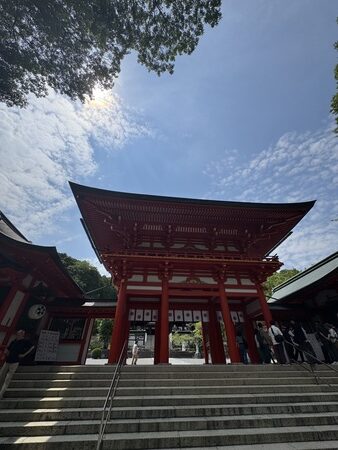
Omi Jingu — the shrine dedicated to Emperor Tenji, Japan’s “founding deity of time,” and famous as the setting of the karuta manga and film Chihayafuru — holds its own summer illumination nearby, built around the theme of time, complete with projection mapping on its vermilion tower gate. A combined ticket covering both Saikyoji and Omi Jingu is available, making the pairing easy and good value.
Two very different faces of the same summer, in one night: the wind-chime paradise of Saikyoji, and the time-woven light of Omi Jingu.
How to get to Saikyoji from Kyoto
One of the best things about Saikyoji is how close it sits to Kyoto, despite feeling a world away. You can spend your day among Kyoto’s streets and temples and still be standing beneath glowing halls by nightfall.
- From Kyoto: Take the train toward Otsu and the Sakamoto area, then a short bus ride or walk to the temple. The whole journey is comfortably within an hour.
- Nearest stations: Keihan “Sakamoto-Hieizanguchi” Station and JR “Hieizan-Sakamoto” Station. From either, Saikyoji is roughly a 4–7 minute bus ride, or a walk, up toward the mountain.
- By car: Free parking is available on site, with space for around 100 vehicles.
Plan your visit
| Event | Saikyoji Summer Evening Illumination 〜A Paradise Woven from Light〜 |
| Where | Sohonzan Saikyoji, 5-13-1 Sakamoto, Otsu, Shiga |
| When | Select evenings, July 25 – September 6, 2026, after dark |
| Admission | Entry fee required; combined ticket with Omi Jingu available |
| Access | 4–7 min by bus or on foot from Keihan “Sakamoto-Hieizanguchi” / JR “Hieizan-Sakamoto”; reachable from Kyoto by train + bus |
| Parking | Free, approx. 100 spaces |
| More info | Official Saikyoji site / Biwako-Otsu tourism guide |
Dates and hours fall on selected evenings only and can change year to year — always check the official Saikyoji site or the Biwako-Otsu tourism guide before you go.
Frequently asked questions
What is the Saikyoji summer illumination?
It is a seasonal evening event at Saikyoji temple in Otsu, Shiga, in which the temple approach is filled with thousands of glass wind chimes and the historic grounds are lit with colored illumination, themed “A Paradise Woven from Light.”
When is it held?
On select evenings from late July to early September. In 2026 the season runs July 25 to September 6. Specific dates vary, so confirm on the official site before visiting.
How do I get there from Kyoto?
Take a train toward the Sakamoto area of Otsu — the nearest stations are Keihan “Sakamoto-Hieizanguchi” and JR “Hieizan-Sakamoto” — then a short bus ride or walk. The trip takes under an hour.
Is there an entry fee?
Yes. An admission fee is required, and a combined ticket with the nearby Omi Jingu illumination is also available.
What else can I see nearby?
The Omi Jingu summer illumination is close by and pairs naturally with Saikyoji. Sakamoto itself is a historic temple town at the foot of Mount Hiei, worth exploring in daylight before the evening lights begin.
Why is Saikyoji historically significant?
It is the head temple of the Tendai Shinsei Buddhist school and the family temple of the samurai lord Akechi Mitsuhide, whose grave lies within the grounds. Its main hall and its guest hall (relocated from Fushimi Castle) are both National Important Cultural Properties.
Click here for Biwa Lake cruise details and reservations.


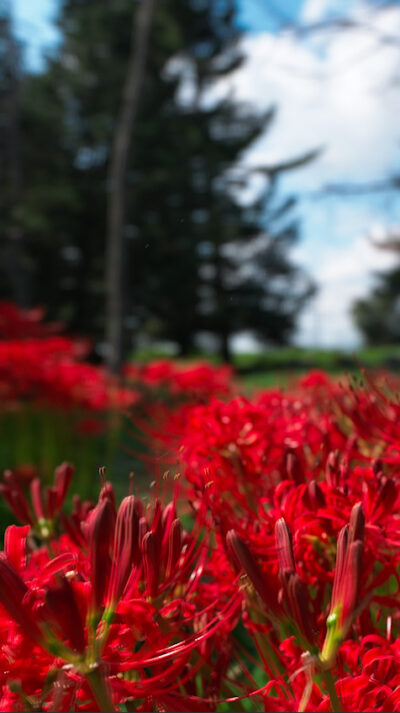
Genji-hama: Lake Biwa’s Quiet Field of Red Spider Lilies


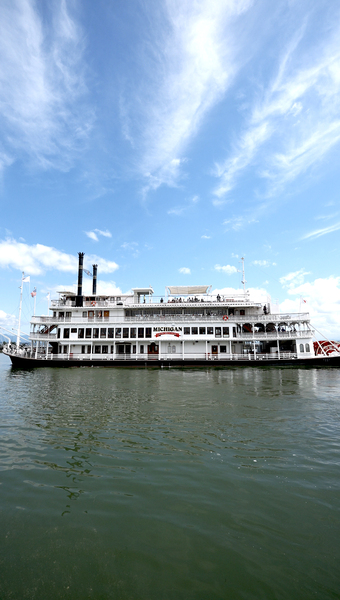
Michigan Cruise|Lake Biwa, Shiga
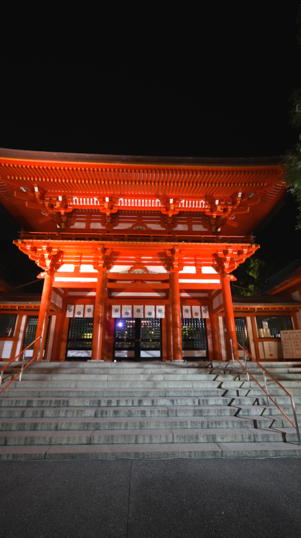
Omi Jingu Summer Illumination|Otsu, Shiga
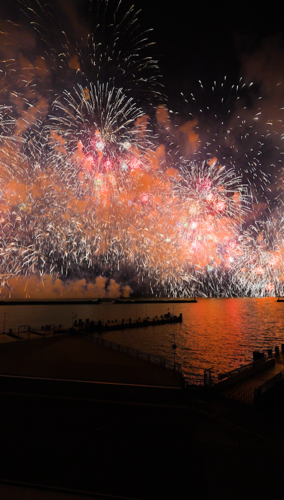
Biwako Fireworks Festival