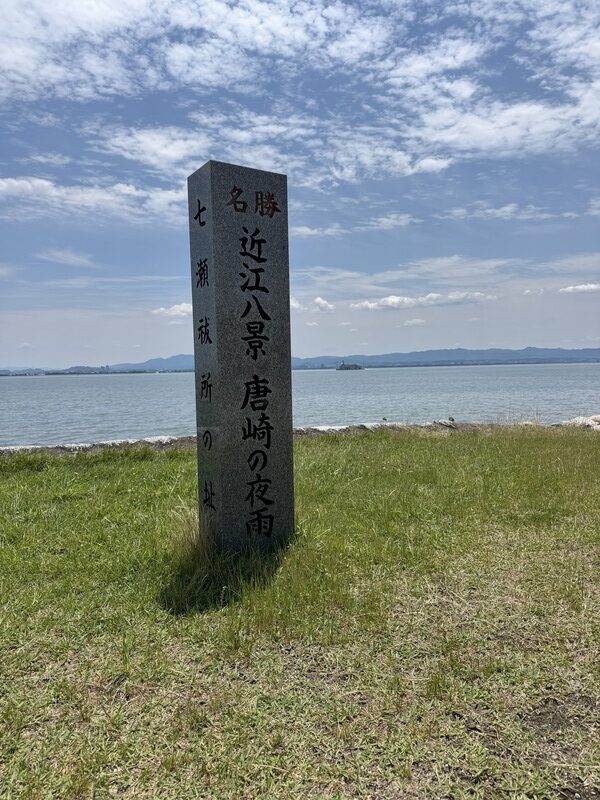
The Sacred Cape of Purification and the Eternal Pine
Just 15 minutes from Kyoto — A lakeside sanctuary where the ancient rituals of spiritual cleansing have harmonized with the winds of Lake Biwa for over 1,300 years.
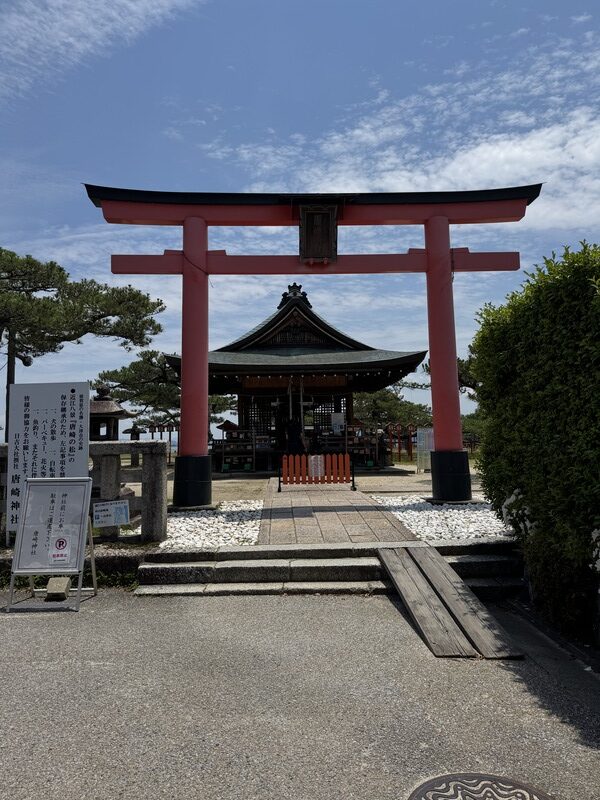
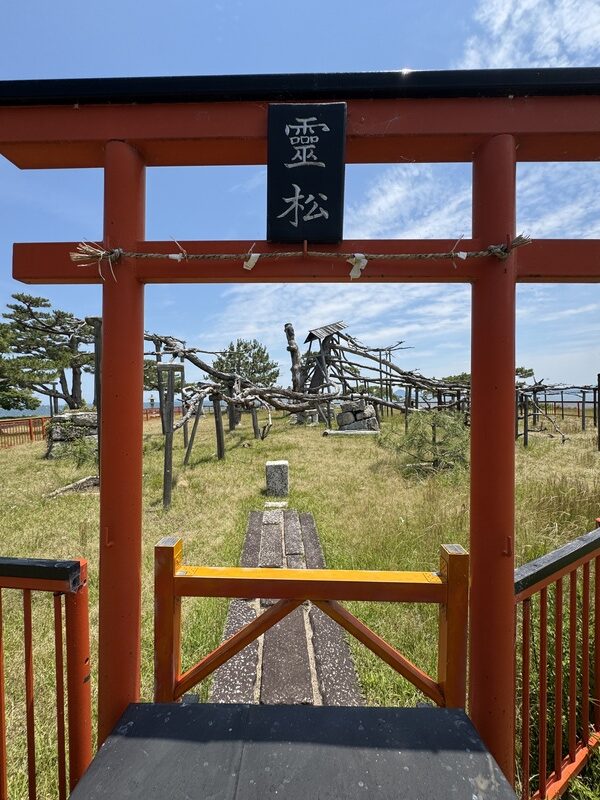
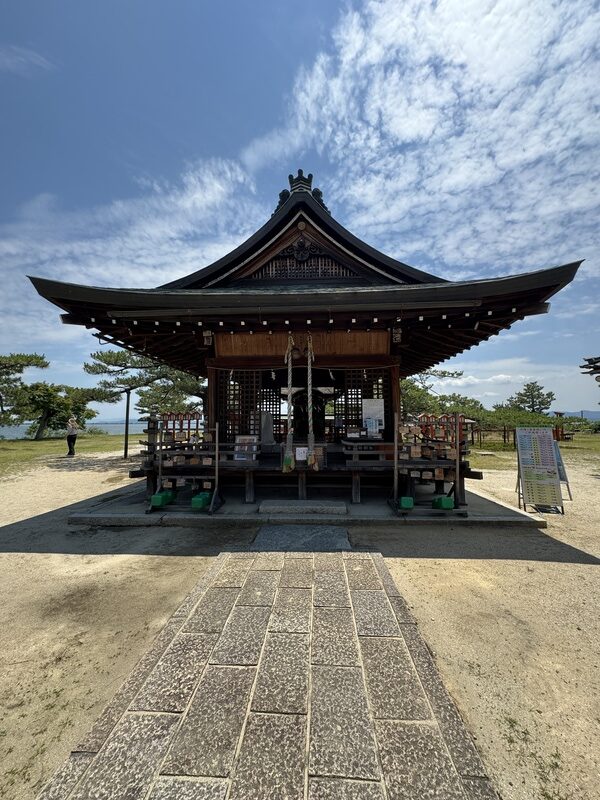
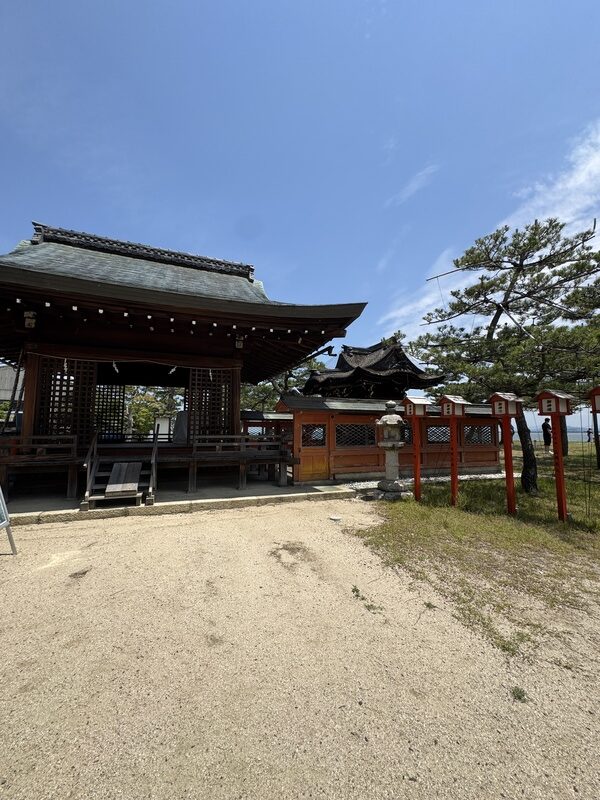
Perched on a distinct, low-lying cape that reaches out into the mirror-like waters of southern Lake Biwa, a solitary vermilion torii gate stands directly against the vast aquatic horizon. Behind it, a colossal, wide-sweeping pine tree spreads its massive branches horizontally over the shoreline, appearing like a living green pavilion sculpted by the lake breeze. This is Karasaki Shrine, a sacred sub-shrine of the grand Hiyoshi Taisha complex. While millions of international travelers confine their journeys to the crowded temples of neighboring Kyoto, this historic promontory has remained a crucial epicenter of national spiritual ritual and artistic inspiration since the dawn of recorded Japanese history.
The Imperial Imperial Grounds of Harae
The documented history of Karasaki Shrine begins in the late 7th century, a pivotal era when Emperor Tenmu temporarily shifted the imperial court to the nearby Otsu-kyo Capital. Recognizing the unique geographic and spiritual properties of this specific cape, the court officially designated Karasaki as one of the Shichiseki-harae—the seven supreme national cleansing sites.
In the Shinto faith, water and wind are the ultimate agents of harae (purification), and a cape jutting into a massive body of water represents a powerful threshold where stagnant energies are forcefully swept away. For centuries, the imperial family, high-ranking courtiers, and weary travelers on the ancient Hokuriku highway stopped at this exact shoreline to perform sacred ablutions. It was here that people systematically washed away the unseen burdens of spiritual impurity (kegare), physical illness, and misfortune, casting them into the deep, dissolving currents of Lake Biwa. This profound legacy of spiritual renewal persists into the modern era; today, the shrine remains a vital destination for those seeking to break free from long-standing illnesses, heal strained relationships, and pray for a completely clean slate in life.
The Chronicle of the Great Pine: A Masterpiece of Nature and Art
To understand the cultural weight of Karasaki, one must understand the history of its eternal centerpiece: the Karasaki no Matsu (The Pine of Karasaki).
Historical records show that a single, extraordinary pine tree has been intentionally cultivated and fiercely protected on this exact cape across multiple centuries. When a sacred tree eventually reached the end of its natural lifespan, the shrine meticulously raised a direct successor on the identical spot. The second-generation pine, which flourished during the Edo period, achieved truly mythological proportions. Its massive, heavy branches extended so far outward over the water that they required an intricate, permanent scaffolding of wooden and stone pillars to support their weight. This creates a breathtaking architectural effect, making the tree look less like a plant and more like a floating, emerald sanctuary framing the lake.
This striking visual harmony made Karasaki an iconic muse for Japan’s greatest artists and poets. It was immortalized as one of the celebrated “Eight Views of Omi” (Omi Hakkei), specifically capturing the mood known as Karasaki no Yaru—the evening rain over Karasaki. Artists like Utagawa Hiroshige created famous woodblock prints capturing the silhouette of this giant tree enduring a dark driving rain, a symbol of quiet resilience against the elements.
In the autumn of 1685, the master haiku poet Matsuo Basho stood beneath these very branches during a storm. Entranced by the hazy, dreamlike atmosphere where the lake, sky, and heavy pine needles blurred into a single shade of ethereal gray, he penned a timeless verse that remains carved on a stone monument within the grounds today:
“Karasaki no matsu wa hanayori oboronite” (The Pine of Karasaki appears more beautifully faint and ethereal than even the fleeting blossoms of spring.)
A Living Monument of Quiet Resilience
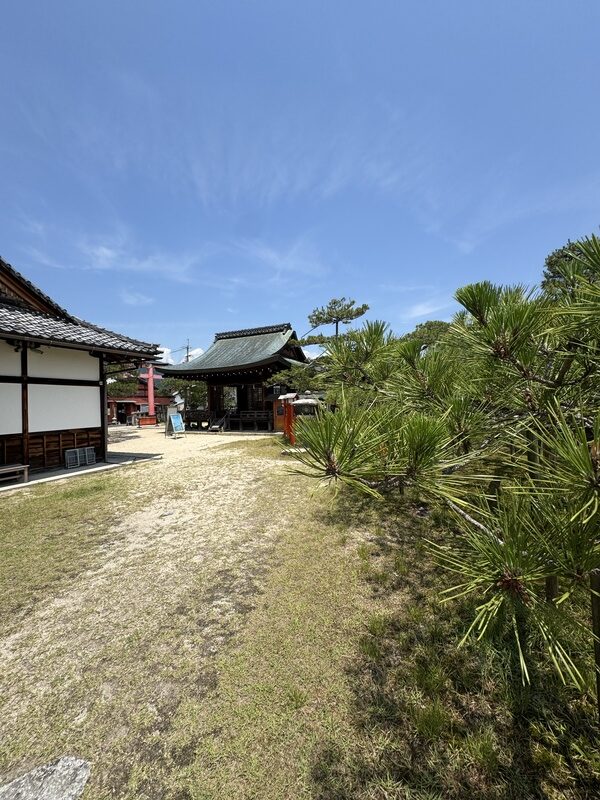
Though the physical tree currently standing on the grounds is the third-generation pine—planted to carry on the unbroken lineage of the site—the ancient spirit of the cape remains completely unaltered by the passage of time. The relentless currents of history have brought wars, political revolutions, and modernization to Shiga, yet the frantic pace of the 21st century instantly dissolves the moment you step onto the quiet gravel paths of Karasaki.
To stand beneath the wide, sheltering canopy of the sacred pine, listening to the gentle, rhythmic lapping of the lake waves against the stone retaining walls while looking out through the lakeside torii gate, is to encounter the very soul of historic Japan. It is a place designed for absolute clarity, where visitors can pause, inhale the fresh lake air, and leave their burdens behind on the ancient shores of purification.
Access
-
Spot: Karasaki Shrine (Ancillary Shrine of Hiyoshi Taisha)
-
Location: Karasaki, Otsu City, Shiga Prefecture
-
Access: JR Kyoto Station ➡️ Karasaki Station (approx. 15 min via the JR Kosei Line) ➡️ an easy, flat 10-to-15-minute walk through the local neighborhood directly to the lakeside park.
-
Admission: Free Entry (Open 24/7)
Click here for Biwa Lake cruise details and reservations.

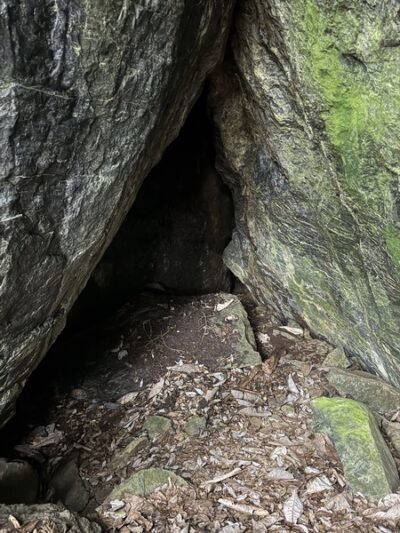
Nobunaga’s Hiding Rock