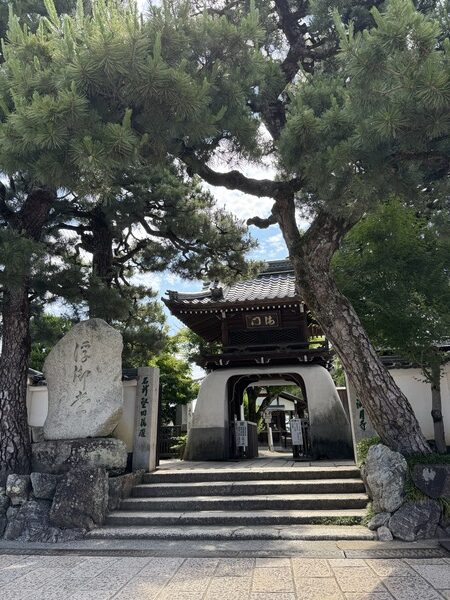
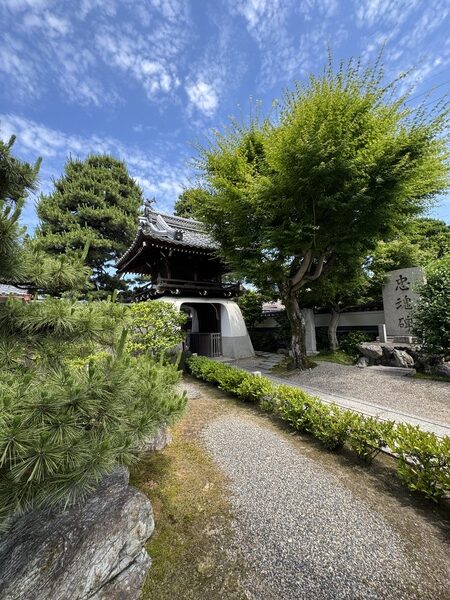
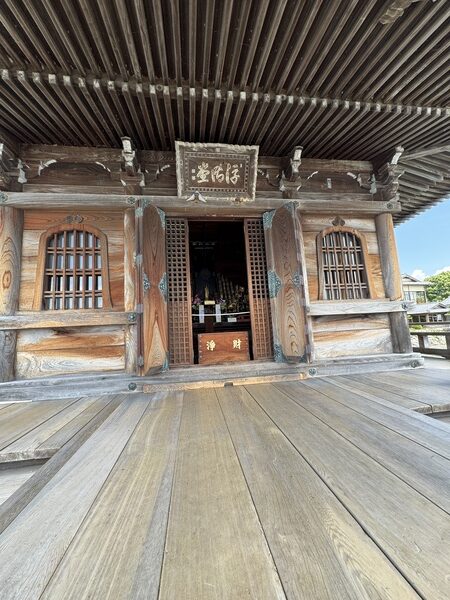
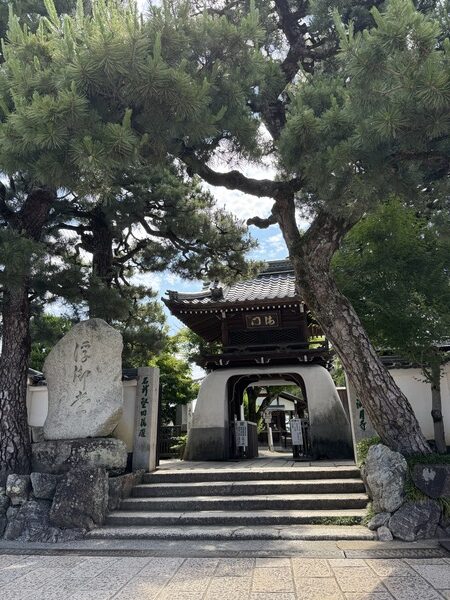
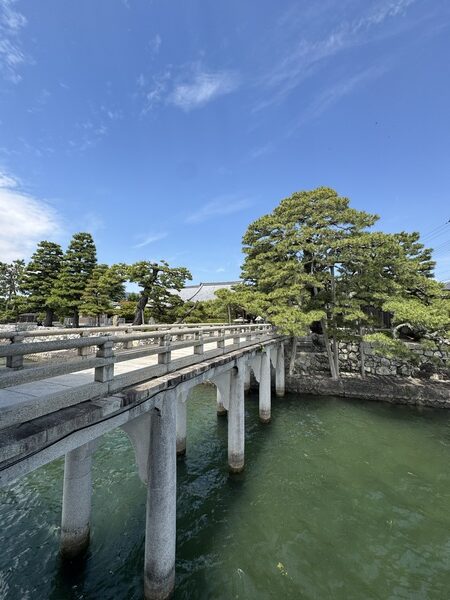
50 minutes from Kyoto — A timeless sanctuary of wood and stone, born from a master monk’s vow to quiet the treacherous waters of Japan’s greatest lake.
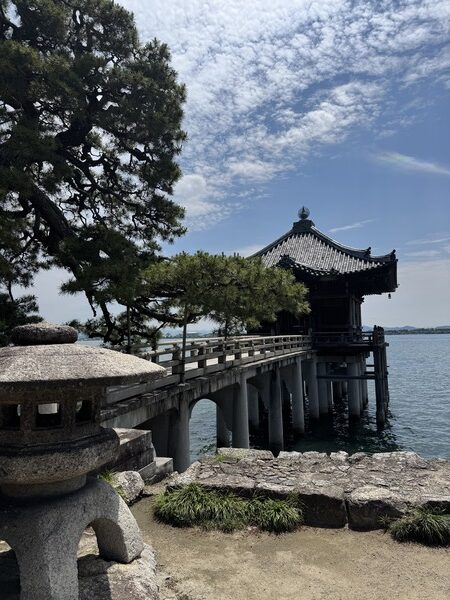
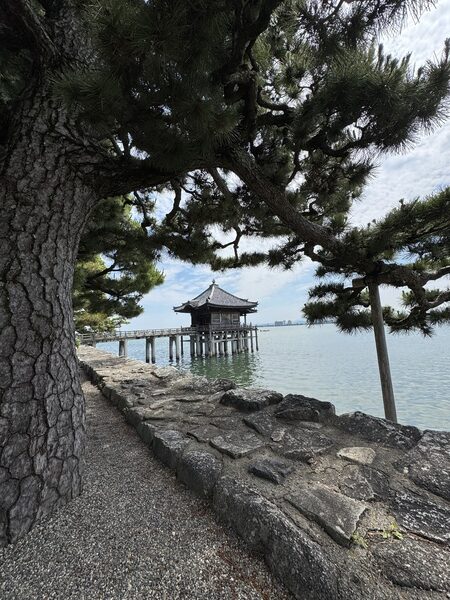
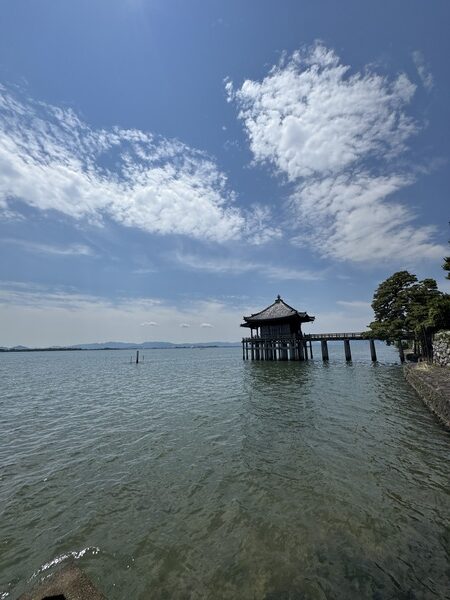
Where the shores of Shiga narrow and the deep, unpredictable currents of Lake Biwa quicken, a vision of classical elegance emerges from the waves. Supported by a delicate forest of wooden pillars, an exquisite Buddhist hall steps off the mainland and ventures out into the open water. This is Ukimido, the famous Floating Temple Hall of Mangetsu-ji. For over ten centuries, this architectural masterpiece has captured the hearts of emperors, samurais, and wandering poets, standing as a living monument to human devotion and spiritual resilience.
The Sacred Vow of Genshin
The origin of Ukimido is woven into the very fabric of Japanese Buddhism. In the late 10th century, a brilliant and deeply compassionate monk named Genshin (posthumously honored as Eshin Sozu) resided on the sacred slopes of Mount Hiei. Genshin was a foundational thinker whose writings on the Pure Land would shape Japanese spirituality for generations, but his heart was equally tied to the struggles of the common people living at the mountain’s base.
In those ancient times, Lake Biwa was the primary transportation highway connecting northern Japan to the imperial capital of Kyoto. It was a vital lifeblood, but it was also perilous. Sudden, violent winds would frequently sweep down from the surrounding peaks without warning, capsizing cargo boats and claiming the lives of countless fishermen and travelers.
Moved by the immense grief of the lakeside communities, Genshin made a sacred vow to bring peace to these treacherous waters. He chose a strategic point on the lake’s narrowest strait and extended a wooden pier out into the depths, constructing a worship hall directly over the waves. Within its walls, he undertook the monumental task of carving and enshrining one thousand individual statues of Amida Buddha.
Every day, as the fierce lake winds rattled the lattice windows and the waves swelled beneath the floorboards, Genshin chanted his sutras. He envisioned the floating hall not merely as a place of worship, but as a spiritual lighthouse—a divine anchor casting a net of protection over the dark, turbulent waters to guide both living travelers and the souls of the drowned safely to the shore.
Captured by the Light of the Full Moon
The temple’s formal name, Mangetsu-ji (The Temple of the Full Moon), reflects its legendary relationship with the night sky. For centuries, Ukimido has been celebrated as one of the iconic “Eight Views of Omi” (Omi Hakkei), specifically revered for the ethereal beauty of its autumn moon.
When the harvest moon rises over the vast eastern horizon of the lake, it casts a shimmering, unbroken path of silver light across the dark water, leading directly to the steps of the floating pavilion. This breathtaking harmony of nature and sacred architecture made the temple a pilgrimage site for Japan’s greatest literary minds.
In the late 17th century, the master haiku poet Matsuo Basho journeyed to this very shore. Utterly captivated by how the structure seemed to dissolve into the water and moonlight, he spent nights here reflecting on the transience of time, immortalizing the floating hall in his timeless travel journals.
A Living Sanctuary of Stillness
Though the physical structure of the hall has been meticulously rebuilt over the generations to repair the inevitable toll taken by centuries of wind, rain, and water, the profound weight of its original history remains entirely untouched. The bridge you walk across today follows the exact path laid down by Genshin over a thousand years ago.
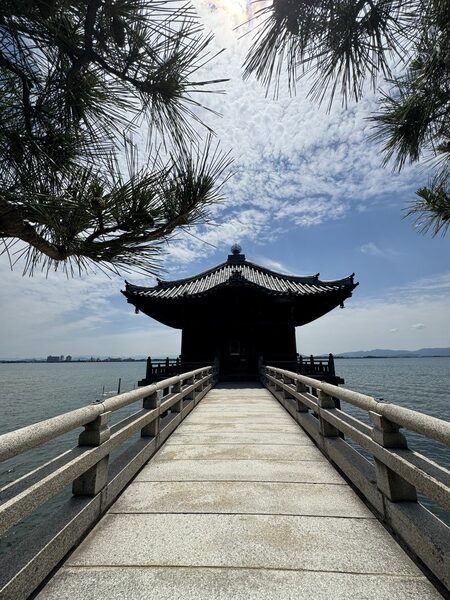
When you step off the mainland and walk across that narrow wooden bridge, the frantic energy of modern travel instantly melts away. Standing on the open, wrap-around deck of the floating hall—surrounded on three sides by nothing but the vast sky, distant mountains, and the gentle, rhythmic lap of the lake against the pillars—you are stepping into a continuous, millennium-old prayer for safety, peace, and quietude.
Access
-
Spot: Mangetsu-ji Ukimido (Otsu, Shiga Prefecture)
-
Access: JR Kyoto Station ➡️ Katata Station (approx. 25 min via JR Kosei Line) ➡️ a short bus or taxi ride directly to the temple grounds.
-
Admission: 300 JPY
Click here for Biwa Lake cruise details and reservations.

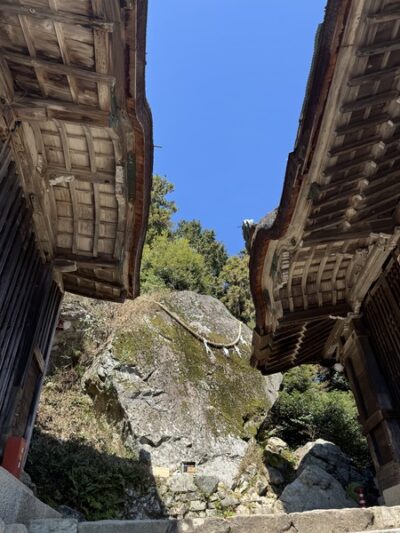
Nobunaga’s Hiding Rock