Chikurin-in
Silence in the Mirror: Discovering the “Other Kyoto” at Kyuchikurin-in
You have marveled at the grand temples of Kyoto and walked the path of thousands of vermilion gates at Fushimi Inari. Yet, even as you are moved by such deep history, do you ever feel a sudden thirst in your soul—a longing for a true silence, where no one else lingers and it is just you in a dialogue with the garden?
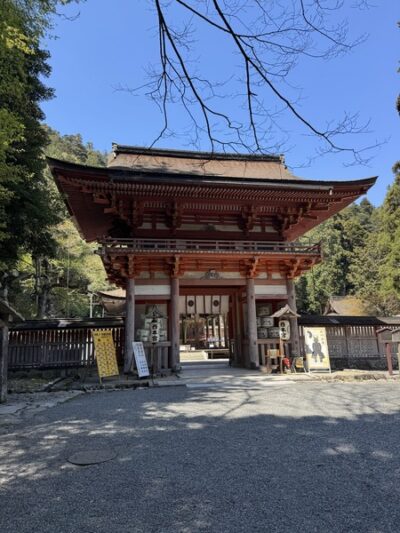
If so, journey to the foot of Mt. Hiei to the town of Sakamoto in Otsu, Shiga Prefecture. There lies Kyuchikurin-in, a former satobo (residence for retired monks) who had completed their rigorous training at Enryaku-ji Temple. Here, you will find a serenity that washes over the soul, far transcending the “reflection” photography that has made it famous on social media.
1. A Sanctuary of Healing Loved by Retired Monks
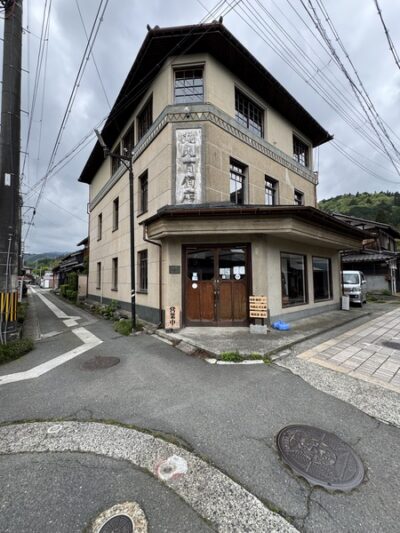
Despite being just 20 minutes from Kyoto Station, the town of Sakamoto is remarkably quiet. Situated at the eastern base of Mt. Hiei, this area has flourished since ancient times as the gateway to the sacred mountain of prayer.
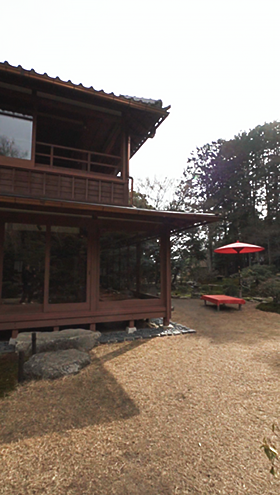
The moment you step into Kyuchikurin-in, you will notice the crystalline purity of the air. This was once a place where high-ranking monks came to rest their bodies and minds, spending their remaining years in harmony with nature after a lifetime of discipline. They did not seek gaudy decorations; they sought only the water and the greenery. This space was not created for tourists, but for the “inner peace” of the monks, and it has been preserved exactly as it was.
2. The “Mirror Garden” Reflected in Jet-Black Lacquer
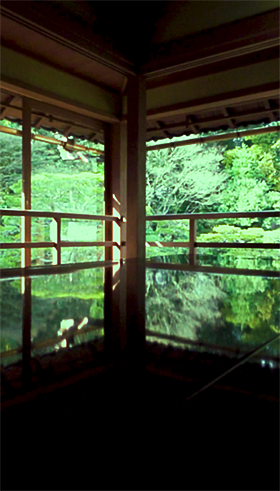
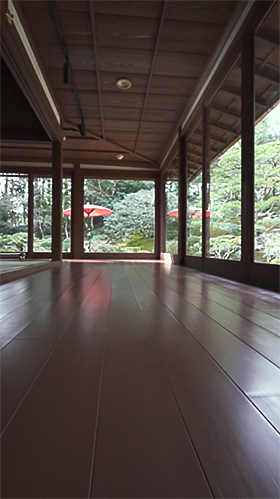
The climax of Kyuchikurin-in awaits the moment you ascend to the second floor of the villa. In the center of the room sits a large, black-lacquered table. Its deep, polished surface acts as a flawless mirror, reflecting the 3,300-square-meter National Scenic Beauty garden outside without a single distortion.
In the season of fresh verdure, the table glows with a burning emerald; in autumn, it drips with vibrant crimsons like “liquid jewels.” Many travelers are familiar with Kyoto’s Rurikoin, but at Kyuchikurin-in, you have the luxury of a much slower pace to monopolize this dreamlike scenery. It is easy to forget to even pick up your camera, as the sensation of being drawn into the reflected greenery feels like a form of deep meditation.
3. Three-Dimensional Mindfulness: Water and Moss
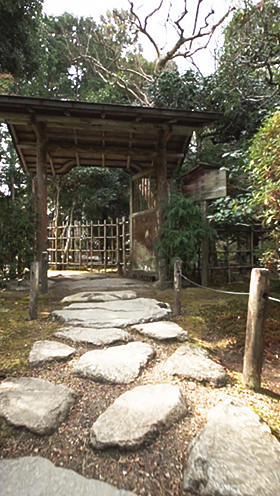
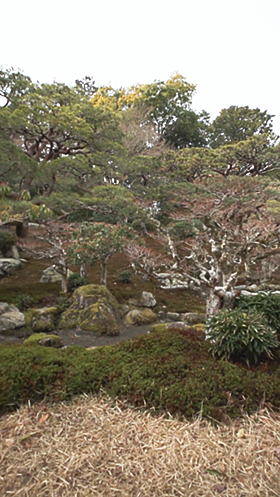
After enjoying the mirrored world of the table, be sure to take a stroll through the garden itself. This is a “stroll-style” garden (Chisen Kaiyu-shiki) that incorporates clear spring water flowing down from Mt. Hiei. If you listen closely, the ceaseless murmur of the stream will wash away the “noise” of daily life within you, piece by piece.
The soft carpet of moss beneath your feet, the gentle undulations of the terrain, and the tea houses once loved by the monks create a living environment. While many Kyoto gardens feel like “perfected paintings to be viewed from afar,” the garden at Kyuchikurin-in is “living nature that envelops you.” By the time you complete your circuit, you will find your breathing deeper and your senses sharpened.
4. Travel Advice: Walking Through the History of Sakamoto
If you find yourself thinking, “I love Kyoto’s culture, but today I just want to immerse myself in silence and reset my spirit,” Kyuchikurin-in is your perfect destination.
-
Mindset: This was a place of retirement for monks. Please visit as a traveler who enjoys the silence itself, keeping your voice low and respectful.
-
The Play of Light: We especially recommend the morning hours when the sunlight hits the garden softly. This is when the colors reflected on the table feel most vivid and deep.
-
The Streets of Sakamoto: After leaving Kyuchikurin-in, pay attention to the magnificent stone walls known as Ano-shu Zumi. These walls, built by a legendary group of stonemasons using unproccessed natural stones, carry the powerful curves and memories of Sakamoto’s long history into the present day.
Conclusion: Close the Guidebook and Find the Mirror of the Soul
A trip to Kyoto is a journey to admire the “Flowers of Culture.” A trip to Kyuchikurin-in is a journey to touch the “Depths of the Spirit.”
When you grow a little weary of the clamor of famous sights, stretch your journey to the foot of Mt. Hiei. Gaze at the shimmering green and the profound silence reflected in the jet-black table. In that mirror-like surface, you will encounter the most peaceful and beautiful version of yourself.
Access:
-
Keihan Electric Railway Ishiyama Sakamoto Line: Get off at Sakamoto-hieizanguchi Station, and walk about 10 minutes.
-
JR Kosei Line: Get off at Hieizan Sakamoto Station, and walk about 20 minutes.
The silence that monks have protected across a thousand years awaits. What will you find within that mirror?
Click here for Biwa Lake cruise details and reservations.

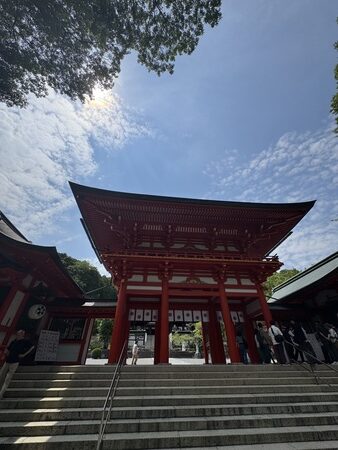
Nobunaga’s Hiding Rock