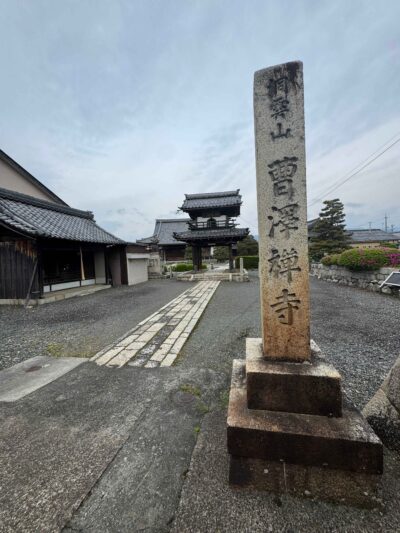
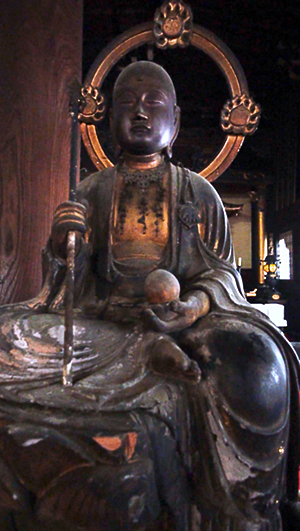
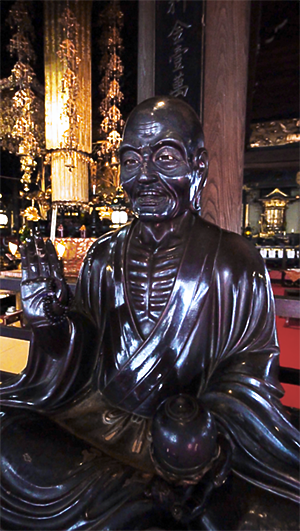
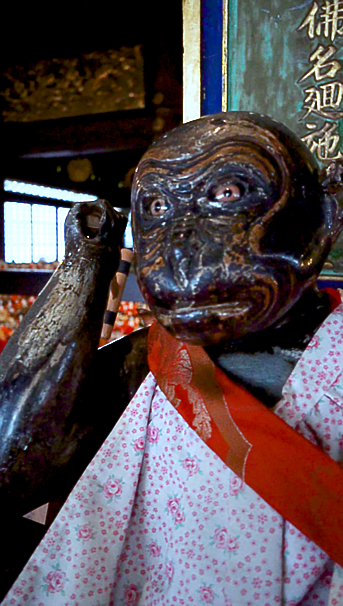
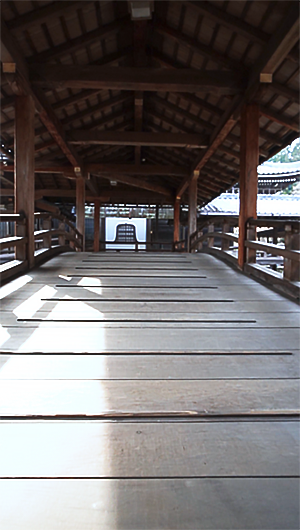
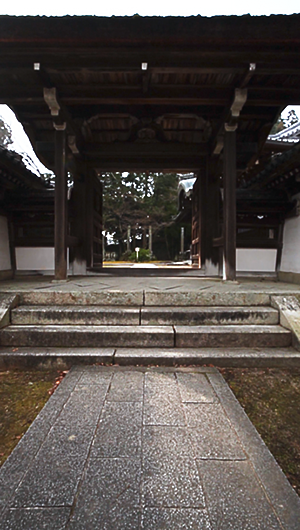
Saikyo-ji Temple
Sacred Silence and Samurai Passion: Discovering a “Hidden History” at Saikyo-ji Temple
You have marveled at the grand temples of Kyoto and walked the path of thousands of vermilion gates at Fushimi Inari. Yet, even as you are moved by such refined beauty, do you ever feel a sudden thirst in your soul—a longing for a spiritual depth where no one else lingers, and you can truly converse with the “real” Japan?
If so, journey to the eastern foot of Mt. Hiei to the town of Sakamoto in Otsu, Shiga Prefecture. There lies Saikyo-ji Temple, the head temple of the Tendai Shinsei Sect. It is also a place deeply loved and rebuilt by Akechi Mitsuhide, the legendary brilliant general of the Warring States period.
Here, a profound silence sequestered from the clamor of Kyoto breathes alongside the pride of samurai who staked their lives to protect their sanctuary.
1. A Sanctuary of Prayer Overlooking the Sacred Peak
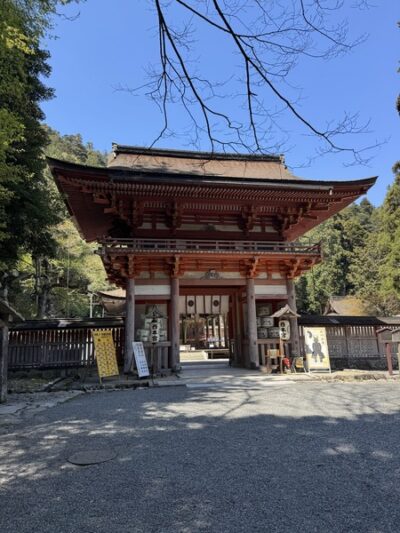
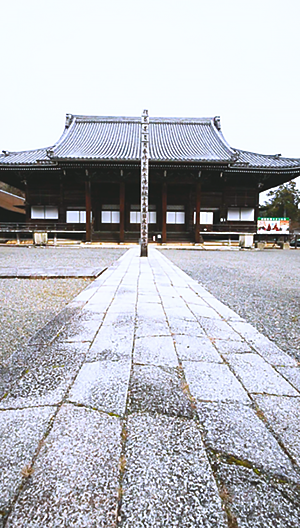
The history of Saikyo-ji is ancient, with legends suggesting it was founded by Prince Shotoku himself. The moment you step inside, you will notice the crystalline purity of the air. Mt. Hiei, the sacred mountain of Japanese Buddhism, rises majestically behind the temple, while Lake Biwa—Japan’s largest lake—stretches out below.
This temple was once razed to the ground during the tragic burning of Mt. Hiei by Oda Nobunaga. However, it was Akechi Mitsuhide, Nobunaga’s general and the man who would later change the course of Japanese history, who restored the temple from its ruins. Walking through Saikyo-ji is a journey through the heart of a samurai who sought peace and worked to rebuild a spiritual haven for his people.
2. Magnificent Stone Walls and the Legacy of Mitsuhide
One of the most iconic sights at Saikyo-ji is the magnificent stonework lining the approach and the temple grounds. These were built by the Ano-shu, a legendary guild of stonemasons based in the town of Sakamoto. Their technique of stacking natural stones in their raw forms creates powerful curves where ruggedness and delicacy coexist—a hallmark of Japanese aesthetics.
Within the precinct, the graves of Akechi Mitsuhide and his family rest in quiet repose. Here, he is remembered not as the “traitor” who struck down his lord, but as a “benevolent ruler” who loved his people and devoted himself to the restoration of the temple. This temple offers the profound joy of touching a multi-layered history rarely discussed at major tourist spots.
3. Immersed in “Stillness” in the Guest Hall Gardens
The climax of a visit to Saikyo-ji is found in the gardens viewed from the Guest Hall. While there are four distinct gardens, the one utilizing the natural slope of Mt. Hiei is truly breathtaking. It features meticulously maintained moss and stones, incorporating the distant scenery of Lake Biwa as a “borrowed landscape.”
Take a seat by the window and simply look out. You will hear only the chirping of birds, the rustle of the wind, and the occasional deep resonance of the temple bell. While many Kyoto gardens are “perfected paintings intended to be viewed,” the gardens of Saikyo-ji are a “quiet universe that envelops you.” The time spent here is a moment of pure mindfulness—perhaps the most luxurious experience in modern travel.
4. Travel Advice: A Moment to Reset Your Everyday
If you love Kyoto’s culture but feel like spending a morning immersing yourself in silence and the weight of history, Saikyo-ji is your ideal destination.
-
Mindset: This is not a mere tourist attraction; it is a place of active prayer where monks still undergo training. Please visit as a traveler who enjoys the silence, keeping your voice low and respectful.
-
The Play of Light: We especially recommend the morning hours, when the sunlight reflects off Lake Biwa and the greenery of the temple grounds appears at its most vivid.
-
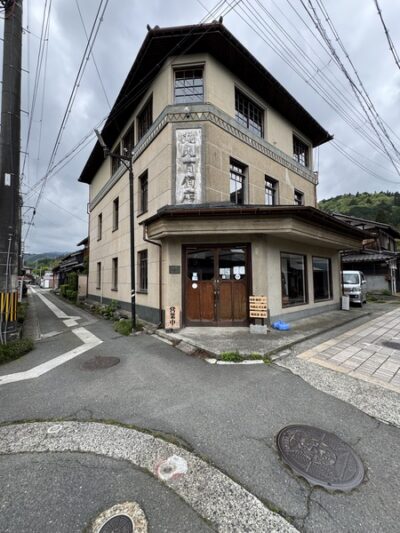
Strolling Through Sakamoto: After your visit, walk through the surrounding temple town. The streets lined with Ano-shu stone walls will make you feel as though you have slipped through time back to the samurai era.
Conclusion: Close the Guidebook and Enter the Samurai’s Sanctuary
A trip to Kyoto is a journey to admire the “Flowers of Culture.” A trip to Saikyo-ji is a journey to touch the “Depths of the Spirit.”
When you grow a little weary of the crowds at famous sights, stretch your journey to the shores of Lake Biwa at the foot of Mt. Hiei. Experience the scenery Akechi Mitsuhide loved and the echoes of unceasing prayer. Within that silence, you will encounter the most peaceful and beautiful version of yourself.
Access:
-
Keihan Electric Railway Ishiyama Sakamoto Line: Get off at Sakamoto-hieizanguchi Station, and walk about 15 minutes.
-
JR Kosei Line: Get off at Hieizan Sakamoto Station, and walk about 20 minutes.
The silence protected across 450 years awaits. You are the one to open its gate.
Click here for Biwa Lake cruise details and reservations.

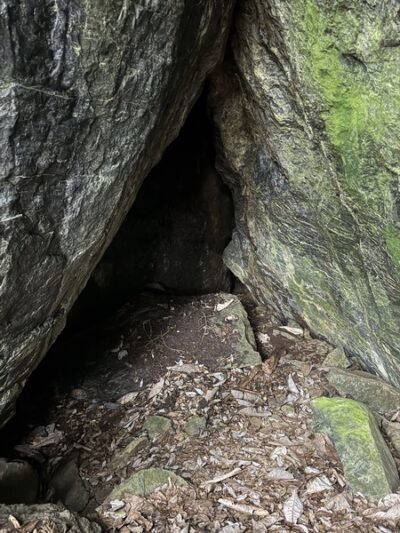
Nobunaga’s Hiding Rock