A Hidden Zen Sanctuary: The “Garden of Silence” Loved by Shoguns at Kosho-ji Temple
You have journeyed through the magnificent Zen temples of Kyoto and gazed upon their perfectly manicured rock gardens. Yet, after such wonderful experiences, do you ever find yourself thirsting for more—searching for a true hidden village where no one else lingers, and your own breath resonates only with the sounds of nature?
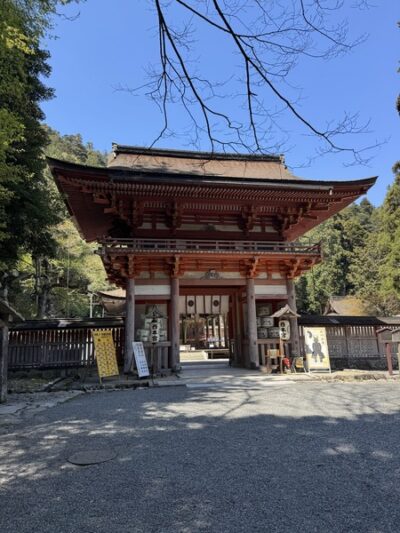
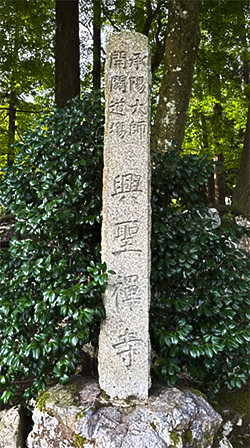
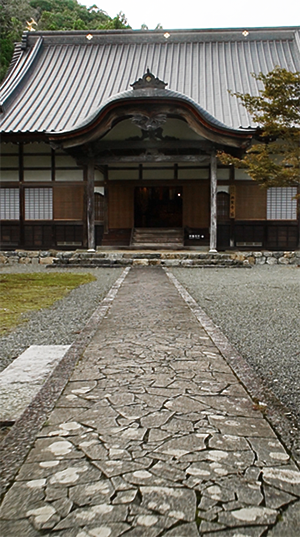
If so, venture north of Kyoto to the western shore of Lake Biwa, deep into the valley of Kutsuki in Takashima City, Shiga Prefecture. Embraced by rugged mountains, Kosho-ji Temple stands in quiet repose. This is a place steeped in history, where Shoguns of the Muromachi Shogunate once sought refuge from the fires of war. Today, the “Place of Scenic Beauty” garden that once healed their hearts awaits you, unchanged through the centuries.
1. The Deep Embrace of Kutsuki: A Haven for Shoguns
The story of Kosho-ji dates back to the 13th-century Kamakura period. It was founded by the Kutsuki clan, the powerful warriors who ruled this land. However, it was the Shoguns of the Muromachi period who elevated this temple into the light of history.
When defeated in political struggles in Kyoto, the 12th Shogun Ashikaga Yoshiharu and the 13th Shogun Ashikaga Yoshiteru fled to this very valley. Kosho-ji welcomed them warmly, providing a sanctuary for leaders exhausted by the clamor and power plays of the capital. While Kyoto’s temples possess a beauty that serves as a “symbol of authority,” Kosho-ji exudes a gentle yet dignified atmosphere that “envelops the wounded soul.” Stepping into the precinct, you can feel the profound peace the Shoguns must have discovered here.
2. The Former Shurin-ji Garden: A Meditation in Water
The crown jewel of Kosho-ji is the Former Shurin-ji Garden, designated as a National Place of Scenic Beauty. This garden was built with the finest techniques of the era specifically for the exiled Ashikaga Yoshiharu.
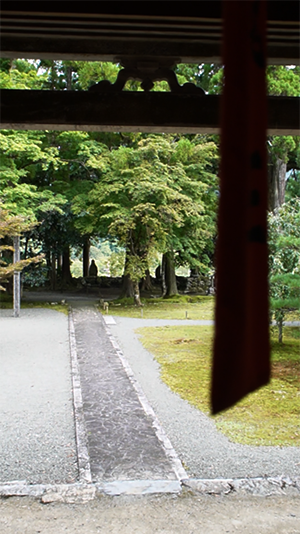
The garden is designed in the Chisen Kansho-shiki (pond-viewing) style, masterfully incorporating the soaring mountains in the background as a “borrowed landscape.” Within the pond lie “Crane Island” and “Turtle Island”—symbols of longevity and immortality—with each stone arrangement placed like a prayer for the Shogun’s long life and eventual return to power.
What stands out most is the overwhelming “quality of silence.” Unlike the famous gardens in Kyoto, where voices and camera shutters are constant, here you will hear only the murmur of spring water flowing from the mountains and the calls of seasonal birds. Sitting on the veranda and watching the greenery reflected in the pond, you may feel as though time itself has stopped. Shogun Yoshiharu likely sat in this exact spot, gazing at this view to settle his mind and reflect on his hopes for the capital.
3. Zen Beauty Nurtured by the Wilds of Kutsuki
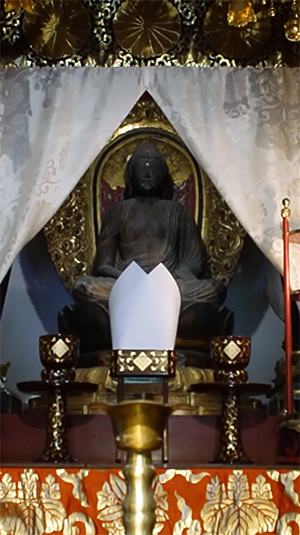
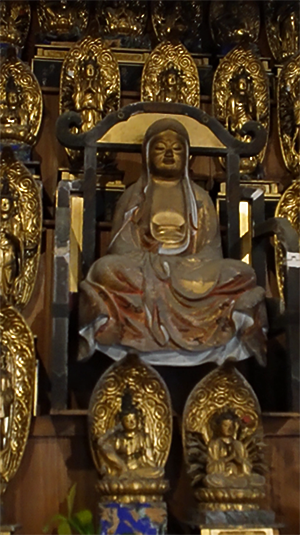
The appeal of Kosho-ji extends beyond its garden. Enshrined in the main hall is a seated statue of the Shaka Nyorai, an Important Cultural Property believed to date back to the Heian period. Its serene expression offers a quiet, watchful gaze that calms the hearts of all who visit.
Furthermore, the natural surroundings of Kutsuki that envelop the temple feel like a grand, living mandala. In spring, you are met with soft new greenery; in autumn, the entire mountain burns with fiery maple leaves; and in winter, a landscape like an ink-wash painting unfolds in the snow. If Kyoto’s beauty is “perfected art,” the beauty of Kosho-ji is a “living breath where nature and history dissolve into one.” This is authentic serenity, preserved for centuries, not merely decorated for tourists.
4. Travel Advice: A “Retreat for the Soul”
If you love Kyoto’s culture but crave a quiet day to reconnect with yourself, a day trip to Kutsuki is the perfect choice.
-
Mindset: This is a place of prayer surrounded by deep mountains. Reset your “city speed” and walk with slow, intentional breaths.
-
Mindful Moments: When viewing the garden, put your smartphone away and sharpen your five senses. The sound of water, the scent of the trees, and the texture of the tatami mats—all of these will heal your travel fatigue.
-
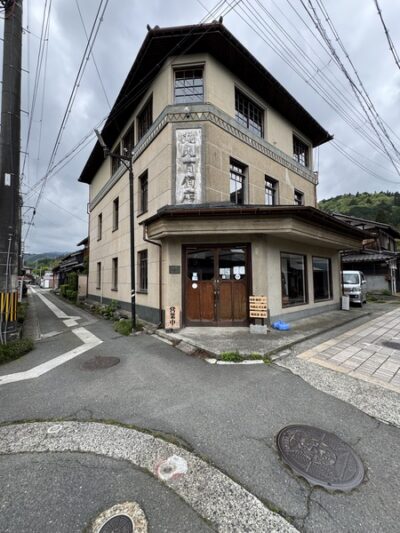
Exploring Kutsuki: After visiting the temple, we recommend a stroll through the old streets of the Kutsuki-ichiba area. Once a flourishing post town on the Saba Kaido (Mackerel Highway), the area still breathes with the simple, rustic atmosphere of traditional Japanese life.
Conclusion: Finding True Peace in Kyoto’s “Inner Room”
A trip to Kyoto is a journey to know the “Crystals of Culture.” A trip to Kosho-ji is a journey to touch the “Depths of the Spirit.”
This was the final spiritual anchor for Shoguns who survived the storms of the Warring States period. Standing before that silent garden, you will encounter the most peaceful and pure version of yourself.
Will you immerse yourself in this quiet universe—the Kutsuki sanctuary once loved by the Ashikaga Shoguns?
Click here for Biwa Lake cruise details and reservations.

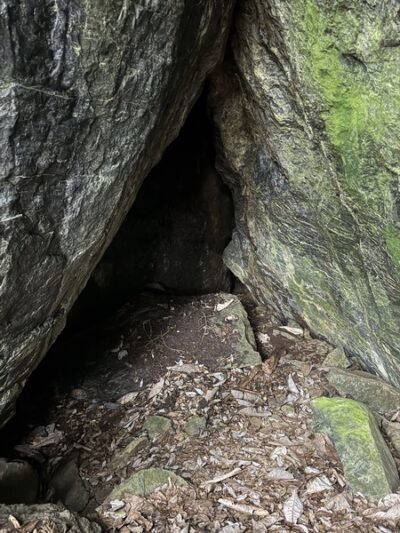
Nobunaga’s Hiding Rock