Site of Tokugawa Ieyasu’s Main Camp at the Battle of Anegawa
The Dawn of a Legend: Tokugawa Ieyasu’s Command Post by the Ane-gawa River
You have toured the magnificent temples of Kyoto and immersed yourself in the stillness of refined Zen gardens. It is a sublime experience. Yet, do you ever find yourself longing to feel the raw energy of the real Samurai—the warriors who shifted the very destiny of this nation?
If so, journey north from Kyoto to the Ane-gawa River, which flows through the vast countryside of Nagahama City, Shiga Prefecture. In 1570, the “Battle of Anegawa” erupted here, a clash that would define the course of Japanese history. At the heart of this storm was none other than Tokugawa Ieyasu, the man who would later found the Edo Shogunate and usher in 260 years of peace.
In this land, where peaceful landscapes now stretch to the horizon, lies the “Place of Resolve”—the site where a young Ieyasu established his command post, certain of his victory.
1. A Fateful Morning in 1570: The Challenge of a Young Ieyasu
Picture the scene: pre-dawn, July 30, 1570. The allied forces of Oda Nobunaga and Tokugawa Ieyasu stood on one side of the Ane-gawa River, facing the formidable armies of Azai Nagamasa and Asakura Yoshikage. At the time, Ieyasu was a young commander in his late twenties. However, his calm, piercing judgment already commanded the awe of those around him.
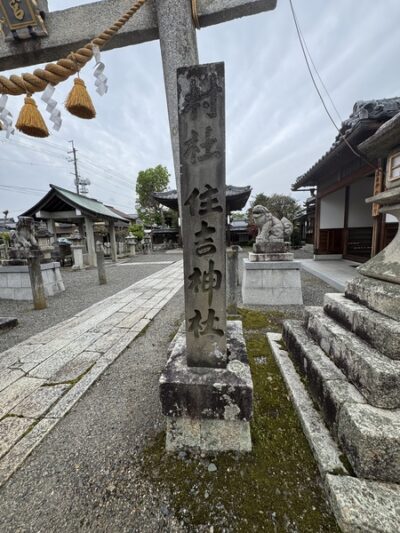
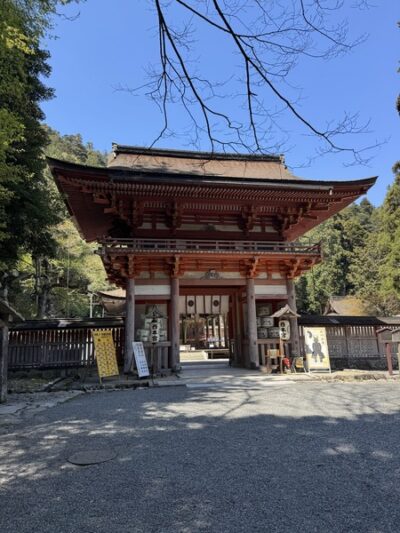
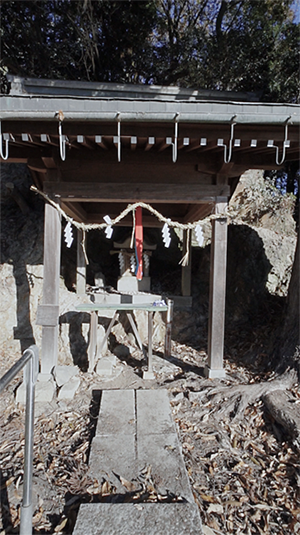
Ieyasu established his command post on a small hill near a local shrine south of the river (near present-day Shimosaka-naka-cho). From here, amidst the roar of the rushing water, he watched as tens of thousands of soldiers collided. The “Samurai” you see in Kyoto may feel ceremonial and elegant, but what you find here is the grit and raw realism of men risking their lives to carve out a future.
2. A Sanctuary of Unyielding Spirit: Memories of the Command Post
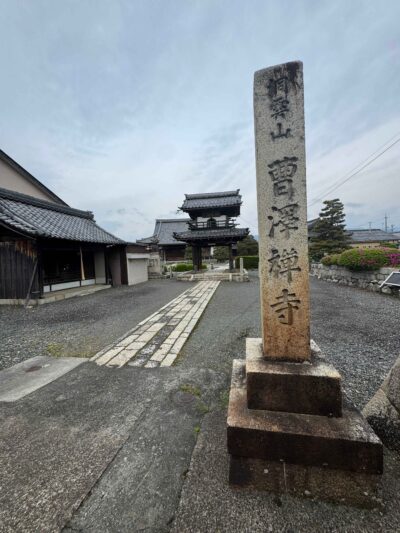
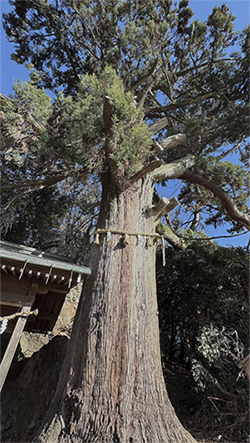
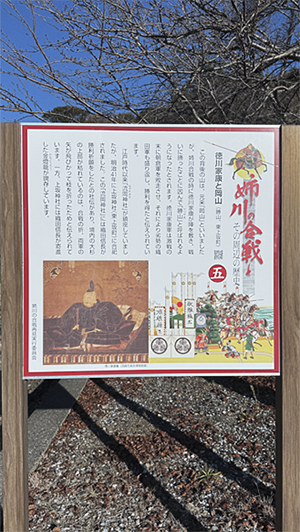
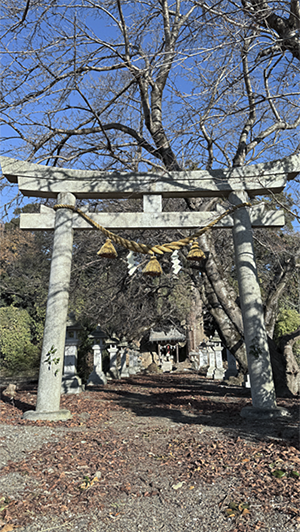
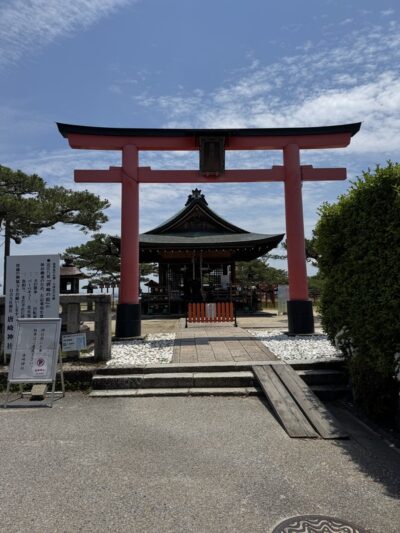
Standing at the site of Ieyasu’s headquarters today, you might be surprised by the profound silence. There are no reconstructed castle towers or flashy gates for tourists. Instead, you will find old stone monuments, quiet plaques marking the historical significance of the ground, and ancient trees standing guard.
For a history enthusiast, however, this is the ultimate luxury. During the Battle of Anegawa, while the Oda forces struggled, the Tokugawa army showed bold initiative by striking the flank of the Asakura forces, leading the allies to victory. Ieyasu waited at this very post, observing the shifting tides of war with nerves of steel.
A visit here is not just sightseeing. It is a “mindful journey” that allows you to retrace the first steps of a man who transformed a desperate crisis into an opportunity, eventually rising to become the ruler of all Japan.
3. History in High Definition: The Breeze and Murmur of the Ane-gawa
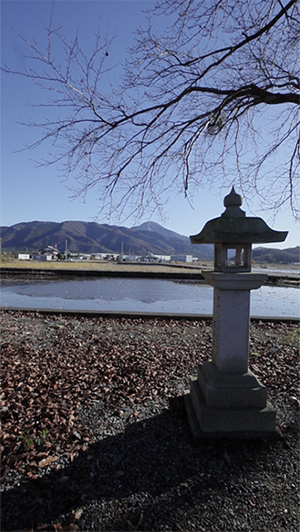
Take a walk from the ruins toward the embankments of the Ane-gawa River. Today, the river flows gently through beautiful farmland. Yet, the names of the local areas still tell the story of the past—such as “Chihara” (The Field of Blood), a lingering echo of the fierce struggle.
If Kyoto’s temples are the crystals of “perfected beauty,” Ieyasu’s command post is the “site where history was forged.” With every gust of wind, you may find yourself imagining the neighing of horses and the roars of samurai from 450 years ago.
The lack of flashy attractions is exactly what allows your imagination to sharpen. Looking at the distant mountains from the same vantage point as Ieyasu, the stories from your history books will suddenly resonate with an overwhelming sense of reality.
4. Travel Advice: A Half-Day to Trace the Samurai Soul
If you love Japan’s traditional culture but feel like visiting a place that awakens your own inner strength, a trip to the Anegawa battlefield is the perfect choice.
-
Bring Your Imagination: Before you arrive, I recommend looking up a map of the troop formations for the Battle of Anegawa on your smartphone. Knowing where the enemy stood and where Nobunaga was positioned relative to Ieyasu’s post transforms the landscape into a dramatic theater of war.
-
Pair with a Stroll through Nagahama: After feeling the energy of the Sengoku period at the battlefield, head to the Nagahama castle town. Walking the streets built by Ieyasu’s ally, Toyotomi Hideyoshi, will give you a deeper understanding of the bonds between these legendary warlords.
Conclusion: Close the Guidebook and Step into Legend
A trip through Kyoto is a journey to know the “Flowers of Culture.” A trip to Tokugawa Ieyasu’s command post at Anegawa is a journey to touch the “Roots of History.”
When you grow a little weary of the clamor at famous sights, visit the plains of Nagahama by the shores of Lake Biwa. When you stand on the very soil where Ieyasu stood, believing in his victory, you will feel the most powerful and profound breath of history on your Japanese journey.
Access: JR Kyoto Station → Nagahama Station — bus/taxi → Higashikozaka → a 5-minute walk
This is the view once gazed upon by the man who laid the foundations for “Edo (Tokyo),” the world’s greatest city. Why not stand in that same spot yourself?
Click here for Biwa Lake cruise details and reservations.

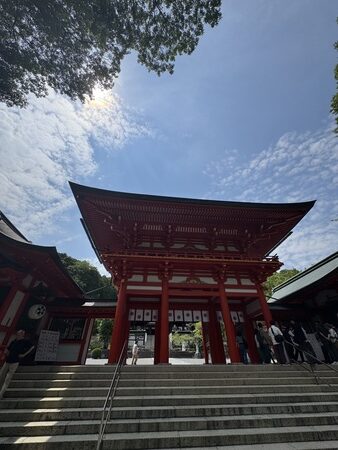
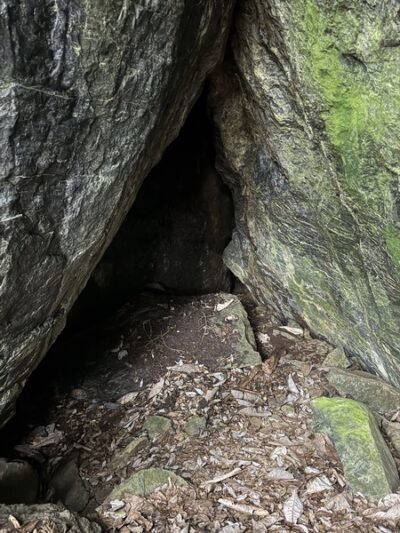
Nobunaga’s Hiding Rock