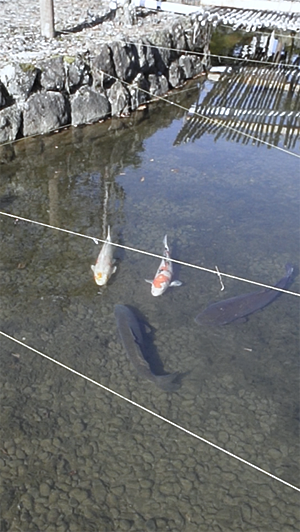
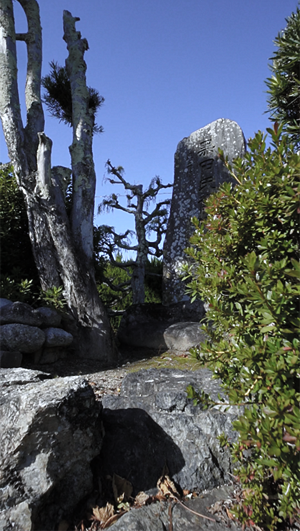
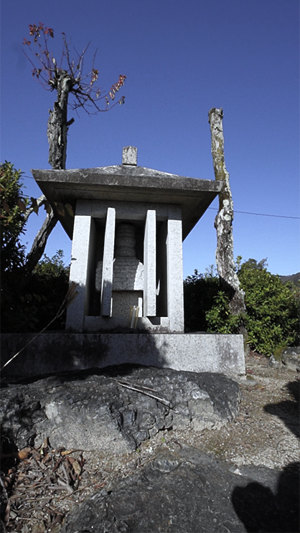
The Kuroda Family Burial Grounds
Roots of a Great Strategist: The Serenity of the Kuroda Clan Mausoleum in Kinomoto
As you walk through the opulent halls of Nijo Castle in Kyoto, marveling at the symbols of the peaceful era built by the Tokugawa Shogunate, have you ever wondered: “Where did the geniuses who moved this era from behind the scenes truly come from?”
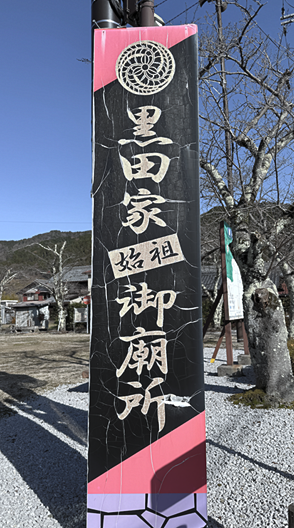
If so, journey north from Kyoto to Kinomoto in Nagahama City, a town that once flourished as a bustling post station. There, tucked away in a quiet sanctuary, lies the Kuroda Clan Mausoleum. This is where the lineage of Kuroda Kanbe-e—renowned as the greatest military strategist in Japanese history—began its journey.
This is not a flashy tourist attraction. Rather, it is a place where you can touch the “origin of the soul” of a man who dreamed of unifying a nation.
1. The Cradle of Genius Hidden in a Post Town
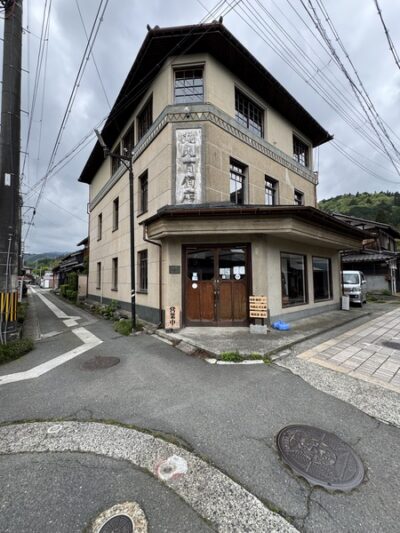
Kinomoto still retains the atmosphere of an old post town along the Hokkoku Kaido (the North Country Road). In a corner of this gentle town, where travelers once quenched their thirst and rested their weary feet, lies the ancestral land of the Kuroda clan.
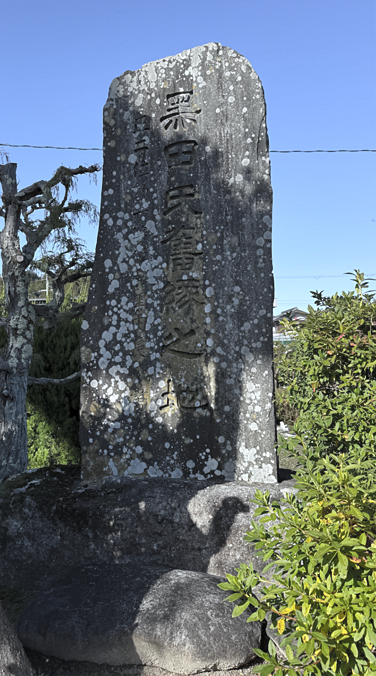
While Kanbe-e is famous as the founder of the Fukuoka Domain in Kyushu, his family’s roots lie right here in the land of “Kuroda” in Omi (Shiga Prefecture). Before Kanbe-e’s grandfather moved to Okayama, the family gathered their strength and prepared for their leap onto the stage of history here. Stepping into the mausoleum, you will feel a “powerful pride” of the samurai rooted in the earth—a distinct atmosphere from the refined formality of Kyoto’s temples.
2. A Silent Drama Told by Moss-Covered Headstones
In the mausoleum, the gravestones of Kanbe-e’s ancestors stand in a modest yet solemn row. These stone towers, covered in deep green moss through the passage of time, are the true witnesses of history. As a strategist for Oda Nobunaga and Toyotomi Hideyoshi, Kanbe-e utilized his unparalleled intellect to end the chaos of the Sengoku period. His “never-give-up spirit” and “visionary eyes” may well have been inherited from the spirit of his ancestors and the landscape of Omi.
With the surrounding trees swaying in the wind and sunlight filtering through the leaves to illuminate the stones, it feels as though the story of the great strategist is quietly replaying. Because there are no loud exhibits or guides, your imagination sharpens, allowing you to feel the presence of those who lived through a turbulent era.
3. The Thrill of Connecting the “Dots” of History
The history you see in Kyoto is a brilliant “finished form.” However, the Kuroda Clan Mausoleum in Kinomoto offers the “prologue” to that story.
After visiting this site, look back at the historical spots of Kyoto once more. You will realize the vital role played by the Kuroda clan, with its roots in Kinomoto, behind the scenes where Nobunaga charged through and Hideyoshi unified Japan. When you see that connection, your trip to Japan evolves from simple sightseeing into an exploration of an epic saga. Near the mausoleum, you can also see the area where the Kuroda residence is said to have stood, allowing you to experience the actual terrain and atmosphere of the Sengoku period.
4. Travel Advice: A Half-Day to Cultivate “Strategy” in Silence
For the intellectually curious traveler who has enjoyed the traditional culture of Kyoto but seeks a niche location that touches the core of history, Kinomoto is the ultimate hidden gem.
-
Enjoy the Silence: This is a sacred place of prayer that is still carefully protected. Instead of looking through a camera lens, feel the texture of the mossy stones and the weight of the air with your own eyes first.
-
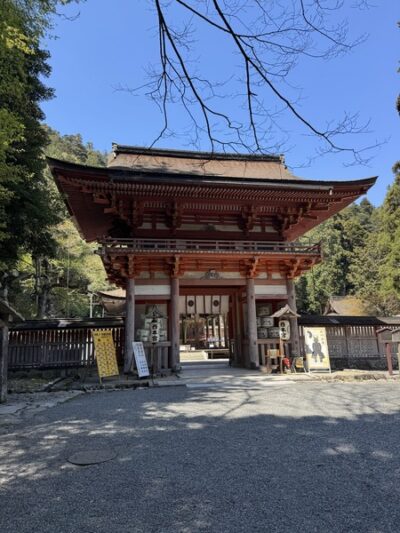
Explore the Town: After visiting the mausoleum, stroll through the Kinomoto post town. You will find the brewery that produces the famous sake “Shichihonyari,” the town’s unique specialty “Salada-pan,” and the beautiful Kinomoto Jizo-in Temple. It is a place where heavy history melts into a peaceful modern life.
-
Take a Strategist’s Perspective: If Kanbe-e had grown up in this scenery, what kind of strategy would he have devised? Immersing yourself in such thoughts is a highly intellectual retreat that will free you from modern stress.
Conclusion: Tracing the Source of History
A trip to Kyoto is a journey to admire the “Flowers of Culture.” A trip to the Kuroda Clan Mausoleum in Kinomoto is a journey to find the “Source of History.”
The memories of samurai have been passed down here for generations. Standing before this quiet sanctuary, you will encounter the deepest and most inspiring story of your Japanese journey.
Access: JR Kyoto Station → Kinomoto Station → a 15-minute walk
Why not visit the birthplace of the spirit of Omi—the very land that nurtured the legendary strategist Kuroda Kanbe-e?
Click here for Biwa Lake cruise details and reservations.

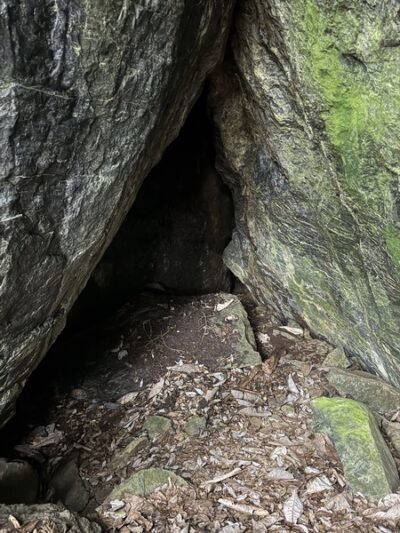
Nobunaga’s Hiding Rock