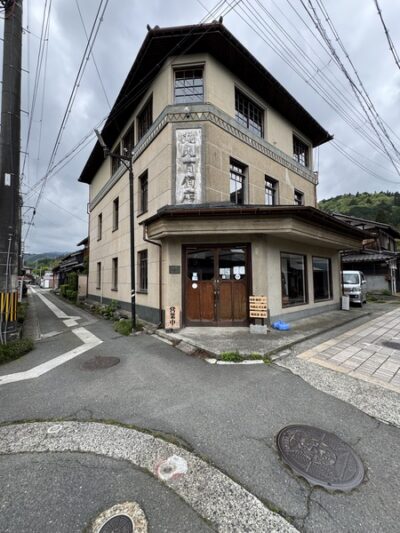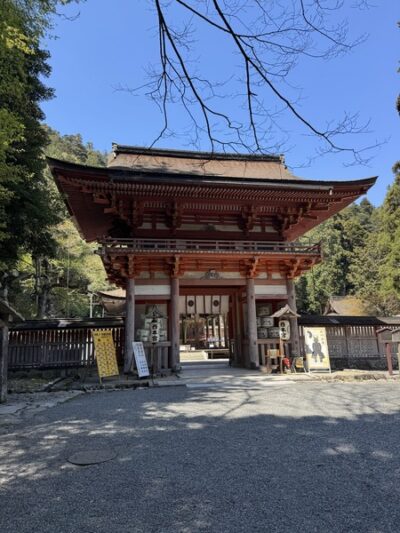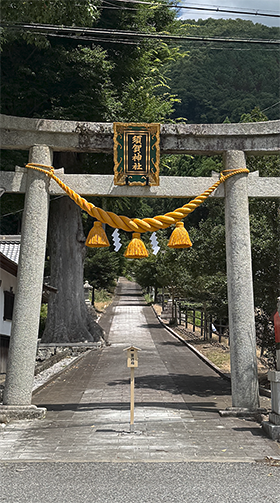
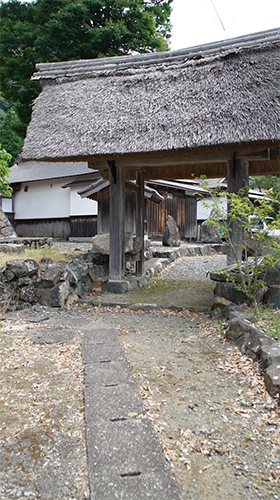
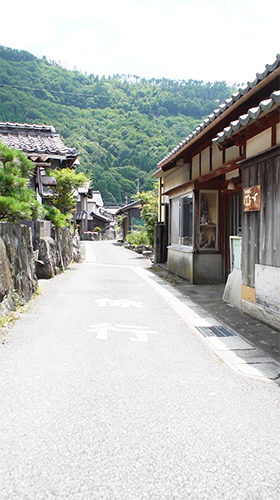
Scenery of the Sugaura Lakeshore Village
Sugaura: The Hidden Village of a Thousand Years—A Sanctuary by the Lake
While marvelling at Kyoto’s magnificent temples and navigating its endless streams of tourists, have you ever wondered: Is there still a place where “untouched” Japan truly remains?
If so, look toward the northernmost tip of Lake Biwa, where steep mountains plunge into the deep waters of a rugged cape. There lies Sugaura, a miraculous village once known as an “island on land.” For over a thousand years, it has quietly preserved its own unique culture and autonomous way of life.
Sugaura is not a polished tourist destination. It is a living sanctuary where the spirit of medieval Japanese self-governance still drifts through the air of daily life.
1. Memories of Independence: Protected by the Four Gates
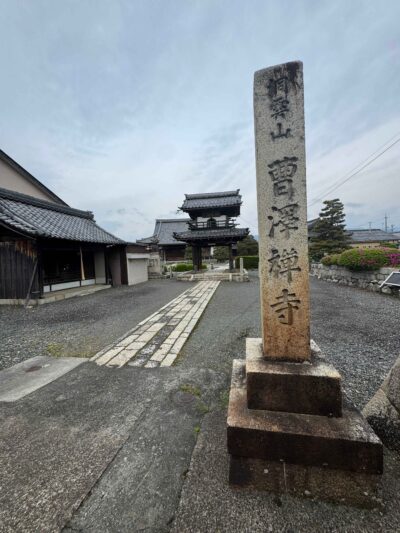
As you step into the village of Sugaura, you are met with a curious sight: simple yet solemn wooden structures known as the Yonmon (Four Gates) standing at the village entrances.
In the past, Sugaura was hemmed in by precipitous mountains behind and the deep lake in front, making it accessible only by boat. To prevent outside intrusion, the villagers had to protect their community through their own laws. During the medieval period, they formed an autonomous organization called the So, living by their own established codes.
These gates once served as the boundaries of that autonomy—barriers protecting a sacred space. Today, several of these gates remain, meticulously preserved by the residents. Unlike the grand, ornate gates of Kyoto’s temples, these small gates embody a powerful, quiet resolve: “We protect our own way of life.”
2. Praying Barefoot: The Silence of Suga Jinja Shrine
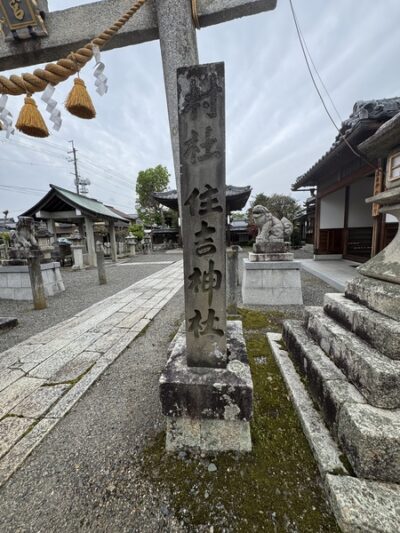
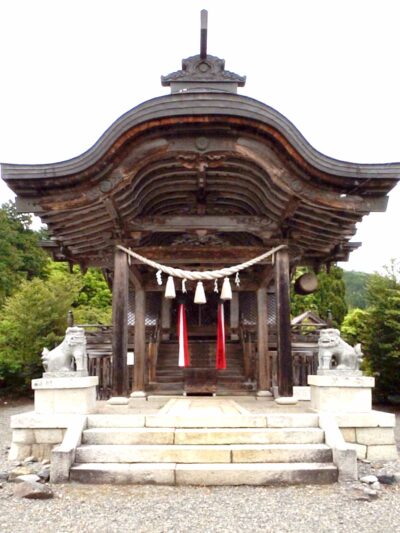
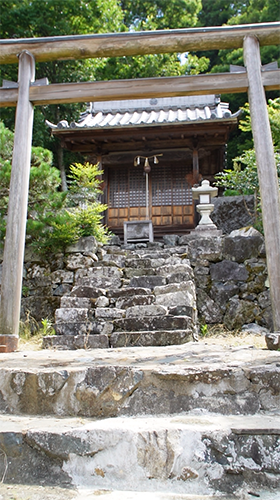
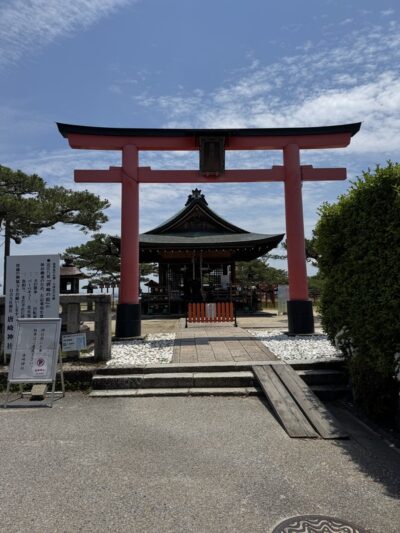
At the heart of the village sits Suga Jinja Shrine, which maintains a custom rare even in Japan.
Upon ascending the stone steps of the approach, visitors must remove their shoes and proceed barefoot (or in provided slippers). This is a unique Sugaura tradition that treats the shrine grounds as an exceptionally sacred and pure sanctuary.
Standing in the grove-shaded precinct, feeling the breeze off the lake, you may feel as though you have slipped through time into the Japan of a thousand years ago. There is no “decoration for display” here; there is only the “authentic prayer” that villagers have offered every single day for centuries. The vast collection of medieval documents found here, known as the Sugaura Records, is designated as a National Treasure, attesting to how meticulously and proudly this community has recorded its history.
3. A Mirror-Like Surface Seen from Winding Paths
Another iconic scene of Sugaura is the single small road that pierces the village, lined with houses huddled together against stone embankments.
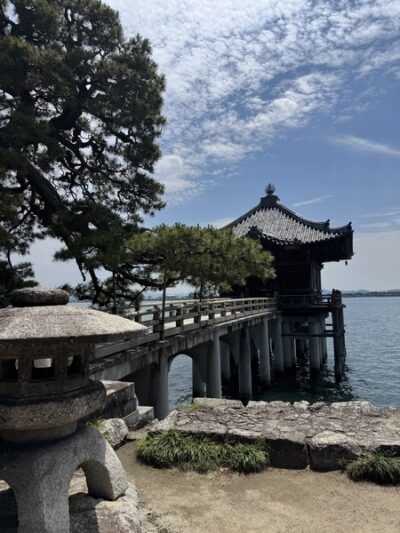
It is said that in the past, there were no roads at all, and villagers had to use boats even to visit their neighbors. Today, the houses still cling closely to the water’s edge. Walking the path, you will see fishing nets drying in yards and flowers blooming in the crevices of stone walls—but most of all, you will see the shimmering surface of Lake Biwa so close you could almost touch it.
The Lake Biwa seen from here is entirely different from the view in Kyoto. The deep blue of Oku-Biwako is as still as a mirror, reflecting the lush green of the surrounding mountains. You won’t find tourist cafes or restaurants here, but simply sitting on a stone and gazing at the water is enough to make the noise of the world vanish.
4. Travel Advice: Walking the “Hidden Village” with Respect
For the traveler who loves Kyoto’s traditions but seeks to touch the deeper, spiritual roots of Japan, Sugaura is the ultimate destination.
-
Mindset: Sugaura remains a private place where people live quiet lives. Please walk with a spirit of becoming part of the silence—avoid loud voices and do not enter private property.
-
A Mindful Stroll: Passing through the gates, purifying your feet at Suga Jinja, and walking the lakeside path is a “retreat” for the soul that no modern resort can replicate.
-
Respect for History: National-treasure-level history sleeps here, but it is not kept in a museum case; it is woven into the daily lives of the villagers. Feeling this “living history” is the true essence of visiting Sugaura.
Conclusion: Beyond the Final Page of the Guidebook
A trip to Kyoto is a journey to admire the “Flowers of Culture.” A trip to Sugaura is a journey to find the “Roots of the Soul.”
For a thousand years, protected by mountains and water, this small village has spun its own history. It is filled with a pride that modern society has begun to forget: the pride of protecting what is truly precious.
Step away from the tourist crowds, pass through the Yonmon gates, and stand by the quiet lake. There, you will encounter the deepest, most authentic Japan of your journey.
Access: Oku-Biwako (Northern Lake Biwa) area is conveniently accessible by car from the Nagahama-Kinomoto area.
Sugaura continues to protect a thousand years of silence. You are the one to open its gate.
Click here for Biwa Lake cruise details and reservations.

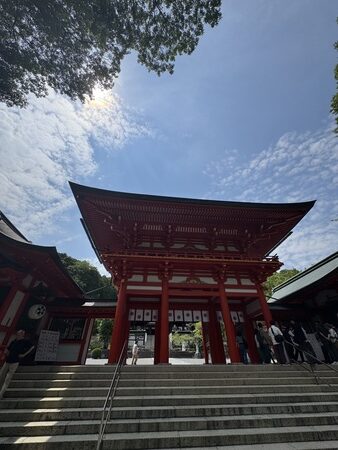
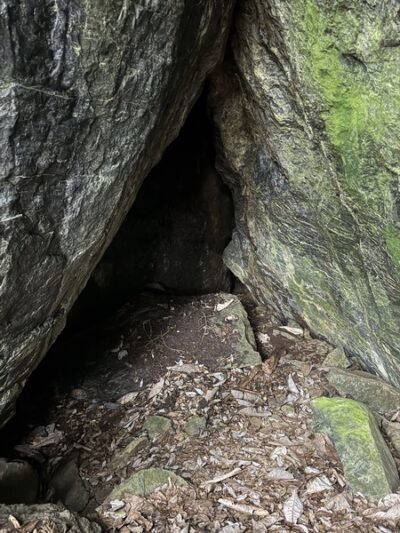
Nobunaga’s Hiding Rock