Kinomoto-Jizo-in Temple
The Guardian of Sight: A Journey to Kinomoto Jizo-in and the Spirit of the North
If you have walked through the Sanjusangen-do in Kyoto and felt the power of a thousand statues, you have touched the surface of Japan’s spiritual devotion. But to find a place where faith is woven into the very fabric of a traditional town, you must travel north to the edge of the Shizugatake mountains.
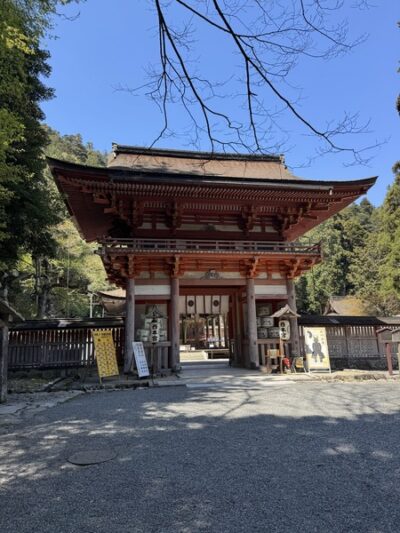
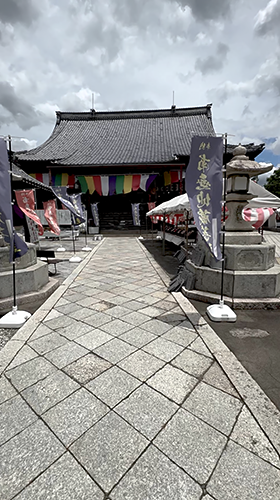
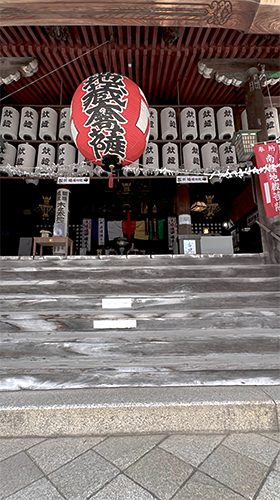
In the historic post-town of Kinomoto, Nagahama, stands Kinomoto Jizo-in. This is not a temple of gold or grand Zen rock gardens; it is a sanctuary of profound intimacy, known for over a thousand years as a place of healing, hope, and the “guardian of one’s eyes.”
The Bronze Giant of the Hokkoku Road
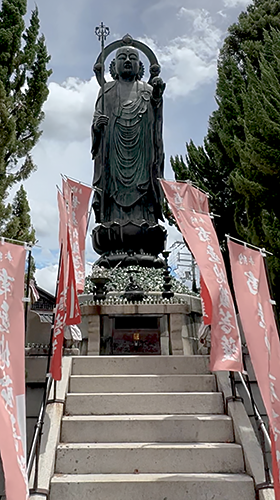
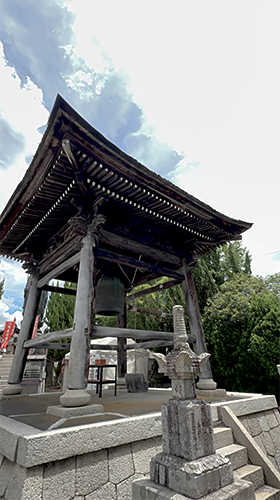
As you arrive at the temple, you are greeted by an awe-inspiring sight: a 6-meter-tall bronze statue of Jizo Bosatsu. Standing majestically against the backdrop of the northern sky, this “Great Jizo” is one of the largest of its kind in Japan.
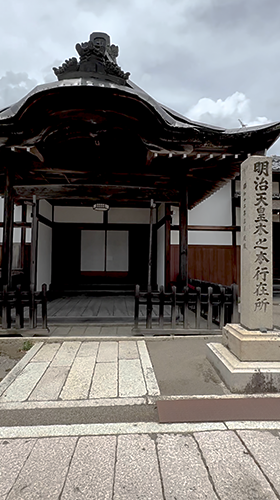
For centuries, Kinomoto was a vital hub on the Hokkoku-kaido, the great northern road that connected the samurai capital with the Sea of Japan. Travelers, merchants, and even daimyo lords would stop here to pray for safety. During the Sengoku (Warring States) period, the legendary warlords Toyotomi Hideyoshi and Shibata Katsuie both sought the favor of this temple during the nearby Battle of Shizugatake. The temple has survived the fires of war and the passage of time, standing as a silent witness to the rise and fall of shoguns.
The “Eyeless” Frogs of Devotion
What truly captures the imagination of every traveler to Kinomoto is the thousands of small, stone frogs scattered throughout the temple grounds. These are the “Migawari-gaeru” (Substitute Frogs).
According to local legend, Jizo Bosatsu was deeply moved by the suffering of those with eye diseases. To heal them, it is said that the frogs of the temple offered one of their own eyes as a substitute for the patient’s. Today, you will see countless statues of frogs depicted with one eye closed.
For the international visitor, these frogs represent a unique aspect of Japanese spirituality—the idea of Migawari, or taking someone else’s burden upon oneself. Visitors who have found relief from illness or who simply seek clarity of vision (both physical and spiritual) leave these little guardians as a sign of gratitude. It is a heartwarming, humble display of faith that feels miles away from the commercial bustle of modern cities.
A Stroll Through a Living Post-Town
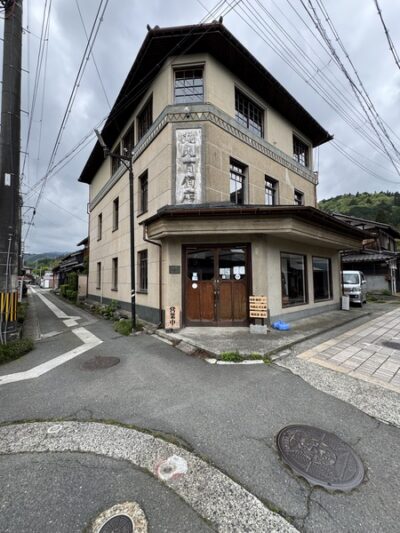
The experience of Kinomoto Jizo-in extends beyond the temple gates. The temple is the heart of a beautifully preserved Post-Town (Shuku-ba). Unlike the famous but crowded Magome or Tsumago, Kinomoto remains a living, breathing community.
Stepping out from the temple, you find yourself on a street lined with historic architecture. You will smell the deep, earthy aroma of traditional soy sauce breweries that have been operating for centuries and see the white-walled sake cellars (Kura) that still produce some of the region’s finest brews.
This is the “Hidden Legacy” of Japan—a place where the history is not a museum exhibit, but a way of life. The temple and the town are inseparable, creating an atmosphere of nostalgic warmth that makes every visitor feel like a welcomed guest rather than just another tourist.
Why Visit Kinomoto Now?
Kyoto offers the splendor of the capital, but Kinomoto offers the soul of the countryside. It is a place for the traveler who appreciates the small details: the moss on a stone lantern, the craftsmanship of a temple roof, and the quiet kindness of local shopkeepers.
Visiting Kinomoto Jizo-in is a “visual reset.” Whether you come to pray for the health of your eyes or simply to see a side of Japan that feels untouched by the 21st century, you will leave with a sense of clarity. In a world that is often too fast and too loud, the Great Jizo of Kinomoto stands in silent strength, reminding us to look closer at what truly matters.
Travel Tips for the Cultural Explorer
-
The Summer Festival: If you are in the area in late August, the “Kinomoto Jizo En-nichi” festival brings the town to life with lanterns, stalls, and a vibrant energy that dates back centuries.
-
Taste the Tradition: Do not leave without trying the local “Salad Pan” (a unique local bread) or visiting the historic soy sauce shops to see the giant wooden fermentation vats.
-
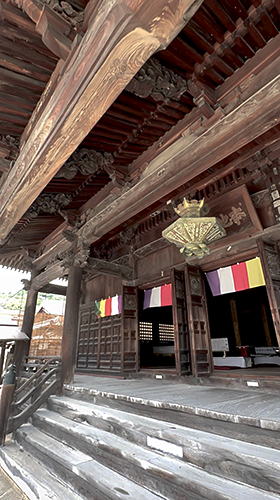
Explore the Statues: Take a moment to look at the intricate wood carvings inside the temple halls, which showcase the incredible skill of northern Japanese artisans.
-
Combine with Mt. Shizugatake: For a full day of history and nature, take the nearby chairlift up Mt. Shizugatake for a panoramic view of Lake Biwa and the battlefield where the fate of Japan was once decided.
Access: About a 10-minute walk from JR Kinomoto Station
“The town of prayer and healing” is accessible from Kyoto and Osaka by train.
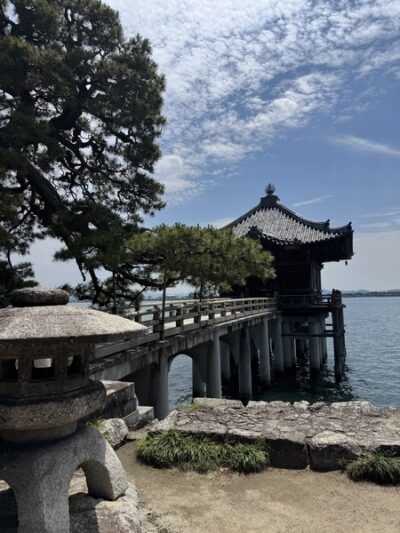
Click here for Biwa Lake cruise details and reservations.

Nobunaga’s Hiding Rock