The Place of the Flying Blade: Unearthing Myths and Samurai Festivals at Hioki Shrine
If you have walked through the majestic wooden gates of Yasaka Shrine in Kyoto and felt the ancient presence of Susanoo-no-Mikoto—the storm god who defeated the legendary eight-headed serpent—there is a hidden valley just 50 minutes north where that myth takes a wild, cinematic turn. Nestled in the deep, emerald foothills of the western coast of Lake Biwa lies the village of Sanami, home to Hioki Shrine.
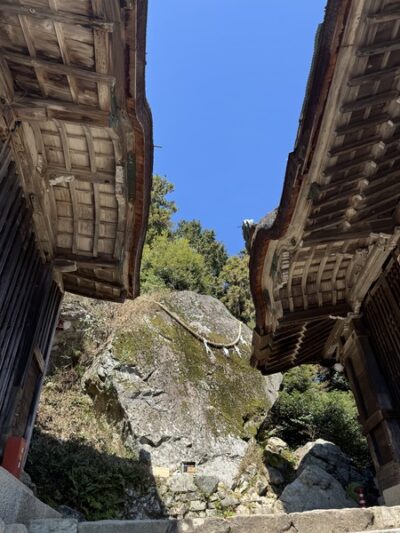
This is not a temple of gold leaf and manicured gardens; it is a sanctuary of raw, ancient mythology, hidden deep within a forest. It marks the exact spot where a legendary divine sword fell from the heavens to seal peace into the earth.
The Flying Sword of the Serpent’s Tail
The story of Hioki Shrine—historically revered as Iwatsurugi Daimyojin (The Great Deity of the Rock-Sword)—is born from a local legend that echoes the grandest tales of Shinto mythology.
Ancient lore tells us that long ago, a terrifying giant serpent inhabited a local body of water called Hara-aka-no-ike, spreading fear and suffering throughout the valley. In the village’s darkest hour, the deity Susanoo-no-Mikoto and his divine consort Inada-hime-no-Mikoto manifested in the valley to confront the beast. Following a fierce battle, the serpent was slain. When a legendary sword emerged from the creature’s tail, the deity hurled the blade high into the sky. The sword flew across the heavens and pierced deep into the earth on this very mountainside. To honor this divine sign, the locals built a sanctuary on the exact spot where the blade landed.
A Path of Shadows and Ancient Harmony
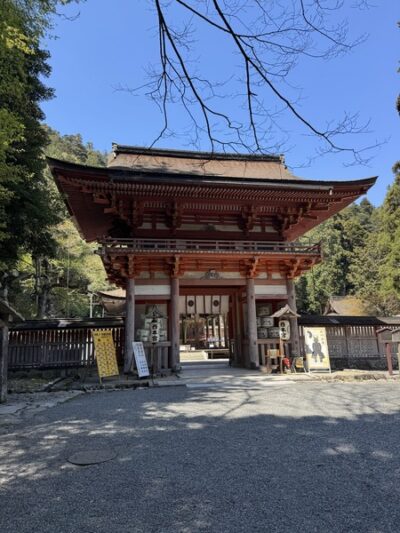
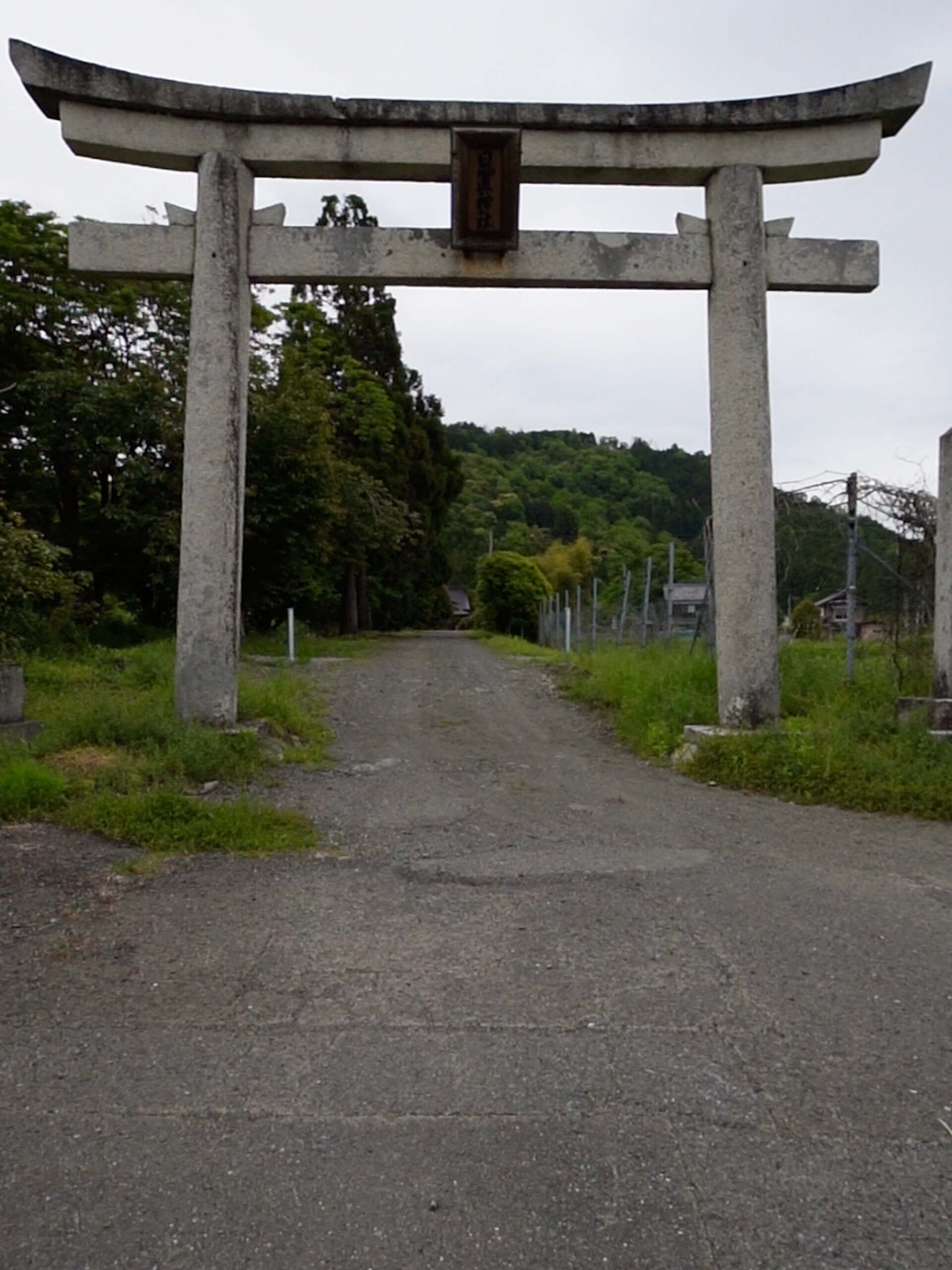
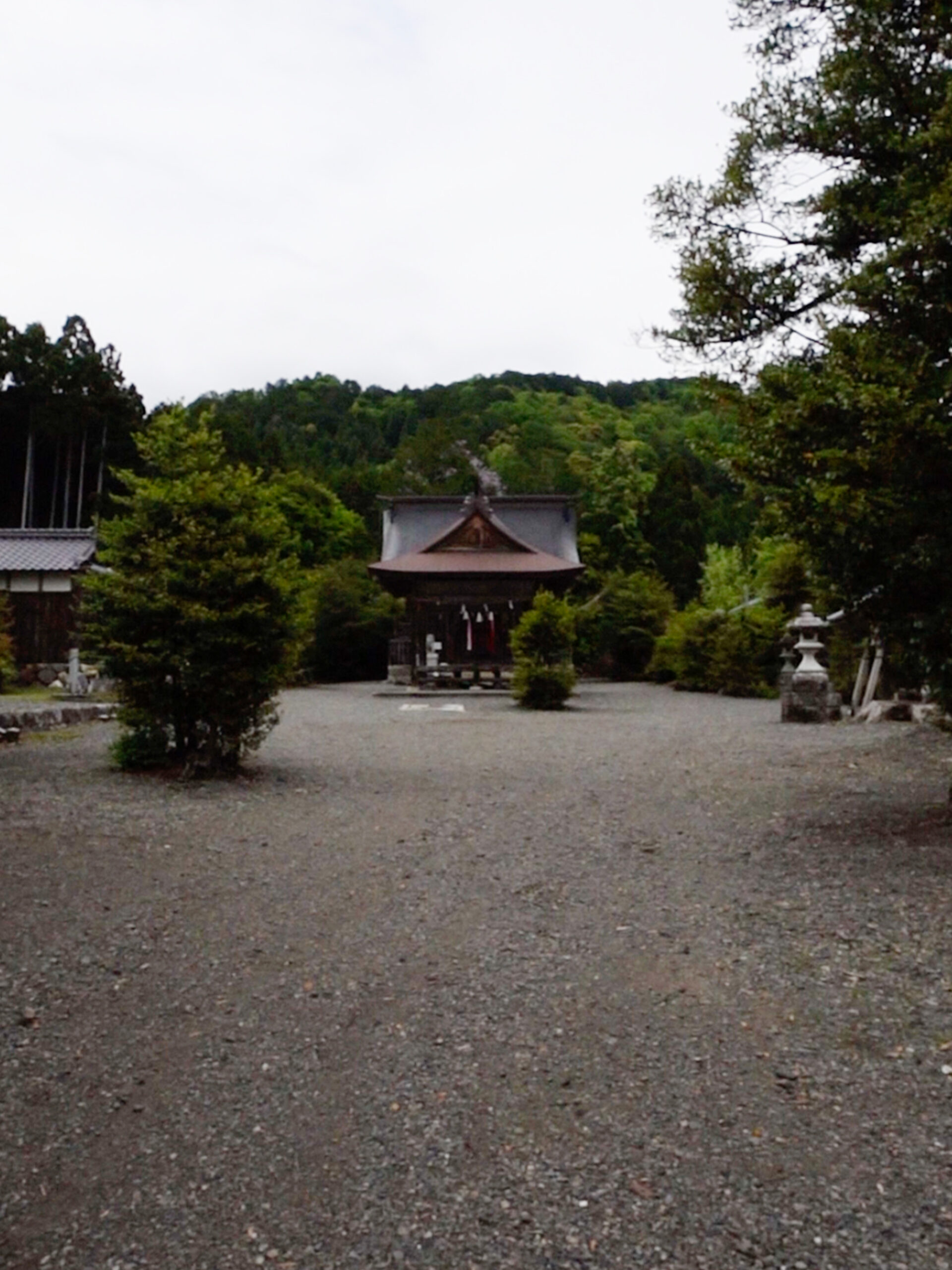
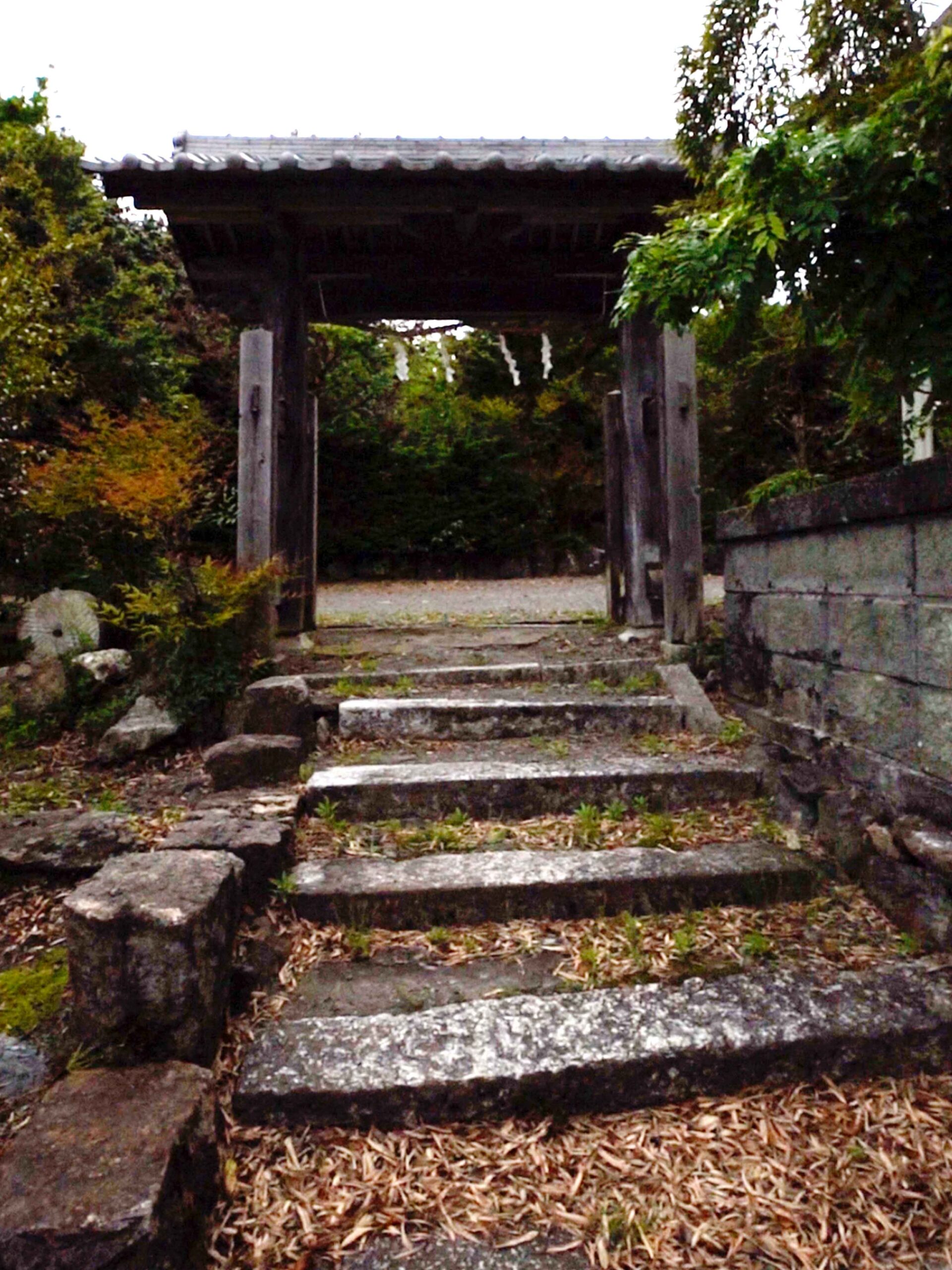
Your journey into this legend begins the moment you step onto the shrine’s approach. A remarkably long, tree-lined path stretching over 100 meters cuts straight through the dense forest. As you walk beneath the canopy, the modern world fades away, replaced by a heavy, beautiful silence.
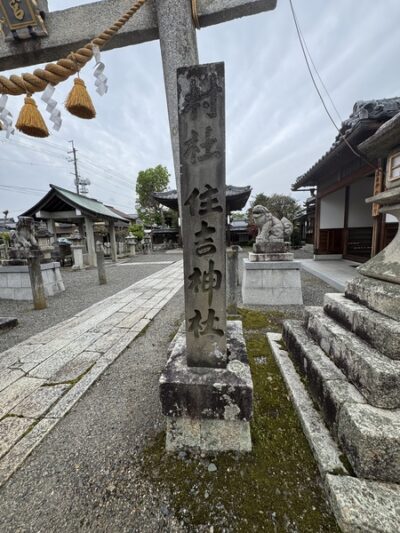
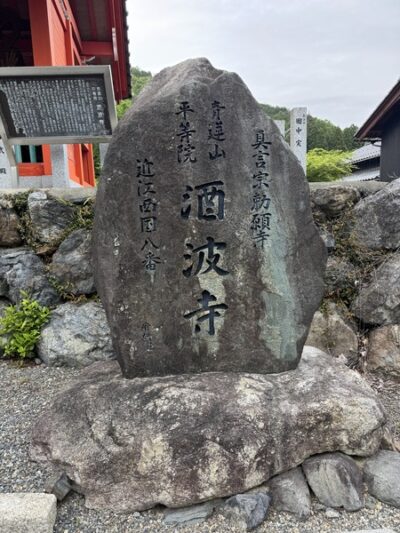
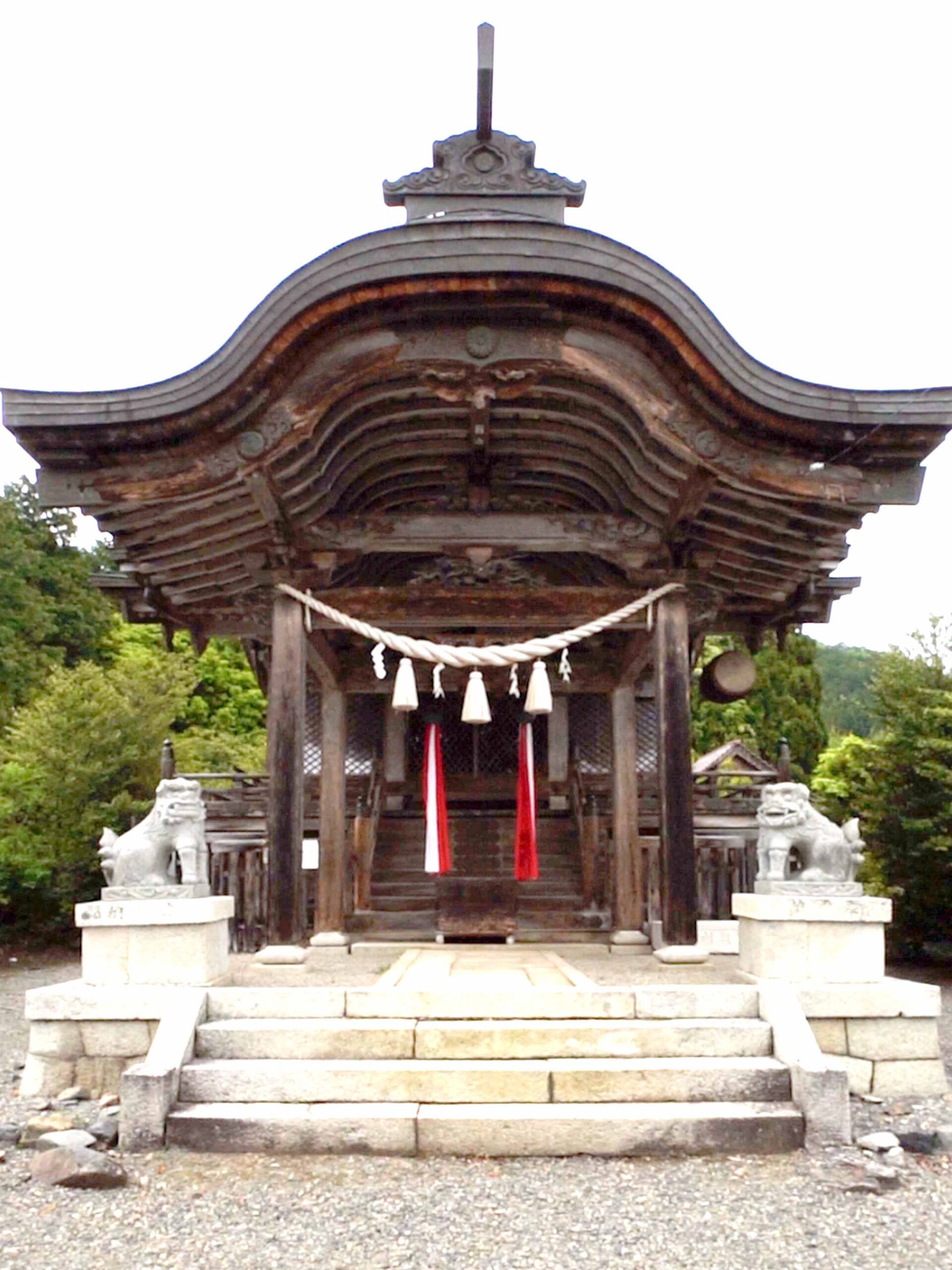
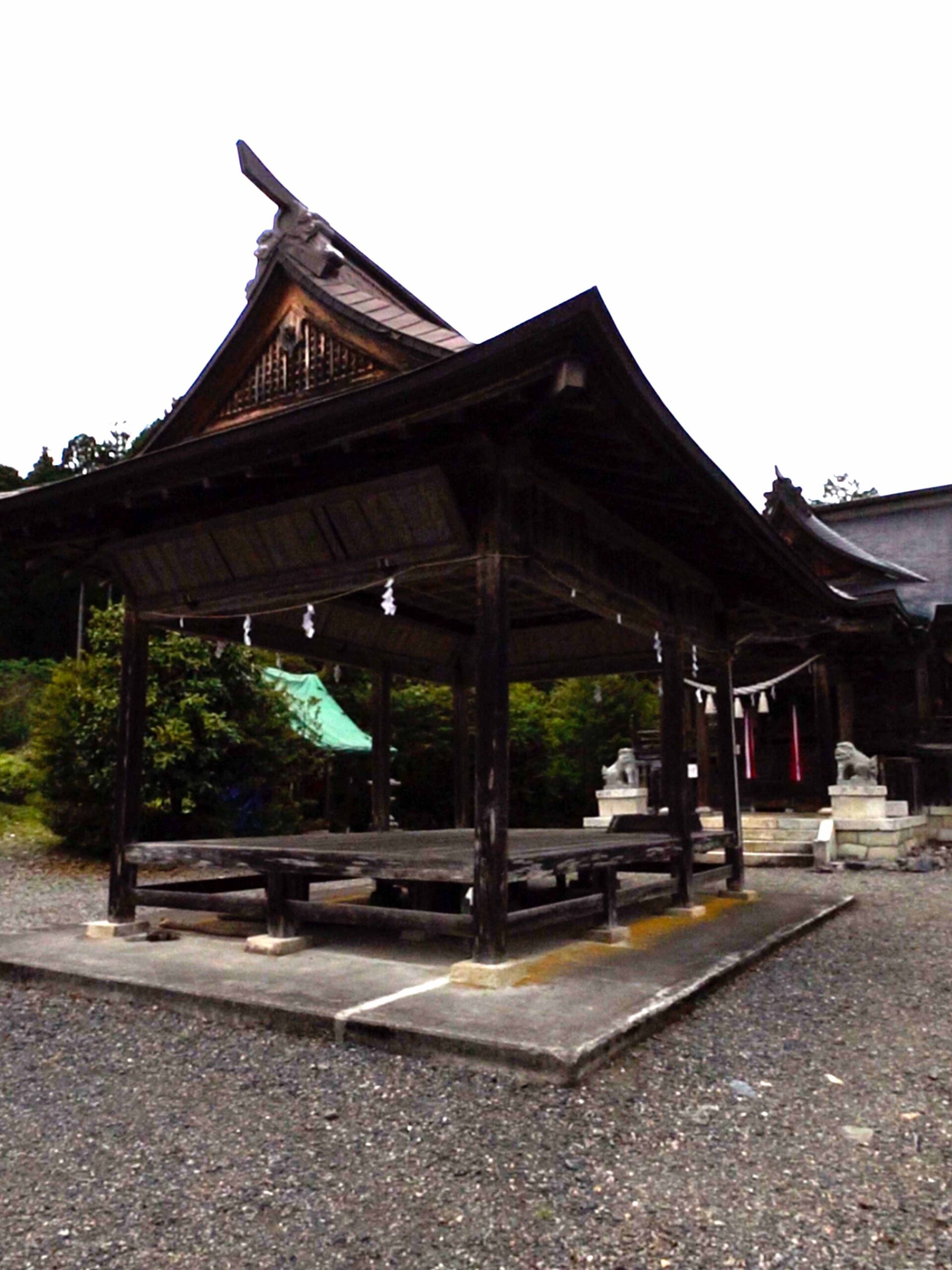
At the end of this path sits the main sanctuary hall, beautifully rebuilt during the Edo period. The architecture features an elegant Chidori-hafu (plover gable) roofline that harmonizes perfectly with the surrounding woods. Directly adjacent to the shrine stands Sanami-ji Temple. This layout is a rare, living example of Shinbutsu-shugo—the ancient blending of Shinto and Buddhism that was largely dismantled across Japan in the late 19th century. Here, the two faiths still sit side-by-side, guarding the valley together just as they did in the days of the samurai.
The Thunderous Roar of the Kawakami Matsuri
While the shrine is a sanctuary of profound peace for most of the year, it becomes the stage for a burst of primal energy every April during the Kawakami Matsuri (also known as the Sanyare Matsuri). Designated as an Intangible Folk Cultural Property of Shiga, this vibrant festival is a spectacle of pure sound and movement.
During the festival, massive ceremonial banners stretching nearly 20 meters into the air and sacred Mikoshi (divine palanquins) are carried out from Hioki Shrine and nearby Tsuno Shrine, marching through the valley to meet at a central ritual field. The climax of the event belongs to the children of the village. Holding smaller banners, they strike them violently against the ground while shouting the ancient chant: “Sanyare!”
The meaning behind the word Sanyare is wrapped in centuries of mystery. Some say it means “Come, drive away the evil spirits,” others believe it translates to “Let there be happiness,” while some interpret it as “Gratitude to the mountains and fields.” Regardless of its exact origin, the roaring chant, the thundering banners, the sacred palanquins, and the traditional Yabusame (horseback archery) create an electric atmosphere that connects the present day directly to the warrior spirit of ancient Japan.
Why Visit Hioki Shrine Now?
For a traveler based in Kyoto, Hioki Shrine offers the ultimate “Mythological Immersion.” While Kyoto’s city shrines are magnificent, Hioki Shrine allows you to experience Shinto where it feels most at home: deep in the wild, untamed nature of the mountains.
It is a destination for the visionary traveler—the photographer chasing the long, moody shadows of an ancient forest approach, the historian looking for the authentic traces of Shinto-Buddhist harmony, and anyone who wants to stand on the ground where a divine sword once fell from the heavens.
Quick Access & Info
-
Location: Hioki Shrine (Takashima City, Shiga)
-
Route: JR Kyoto Station → JR Omi-Imazu Station (Approx. 50 min via Special Rapid Service) → Followed by a 10-minute taxi ride into the Sanami Valley.
-
Admission: Free entry to the grounds.
Click here for Biwa Lake cruise details and reservations.

Nobunaga’s Hiding Rock