The Last Shogun’s Rest: Sotaku-ji Temple and the Silent Twilight of the Samurai Era
If you have stood inside the grand halls of Kyoto’s Nijo Castle, you have walked through the literal birthplace and final stage of the end of the samurai world. It was there that Tokugawa Yoshinobu, the 15th and final Shogun of Japan, returned power to the Emperor, ending 260 years of Tokugawa rule. But just 50 minutes north of the capital, hidden in the quiet lakeside port town of Imazu, sits a serene Zen temple that witnessed the tense, dramatic nights before the fall of the empire.
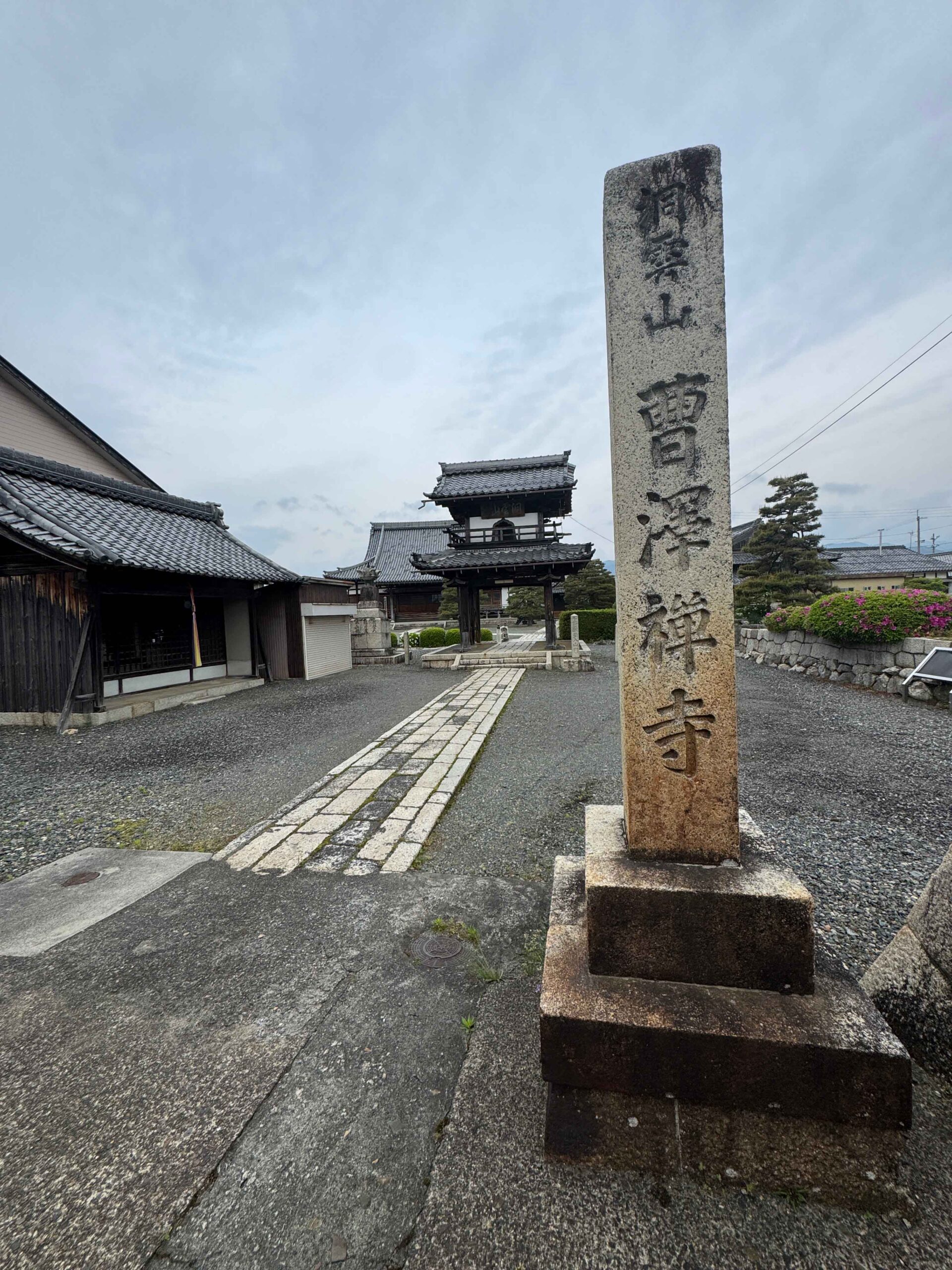
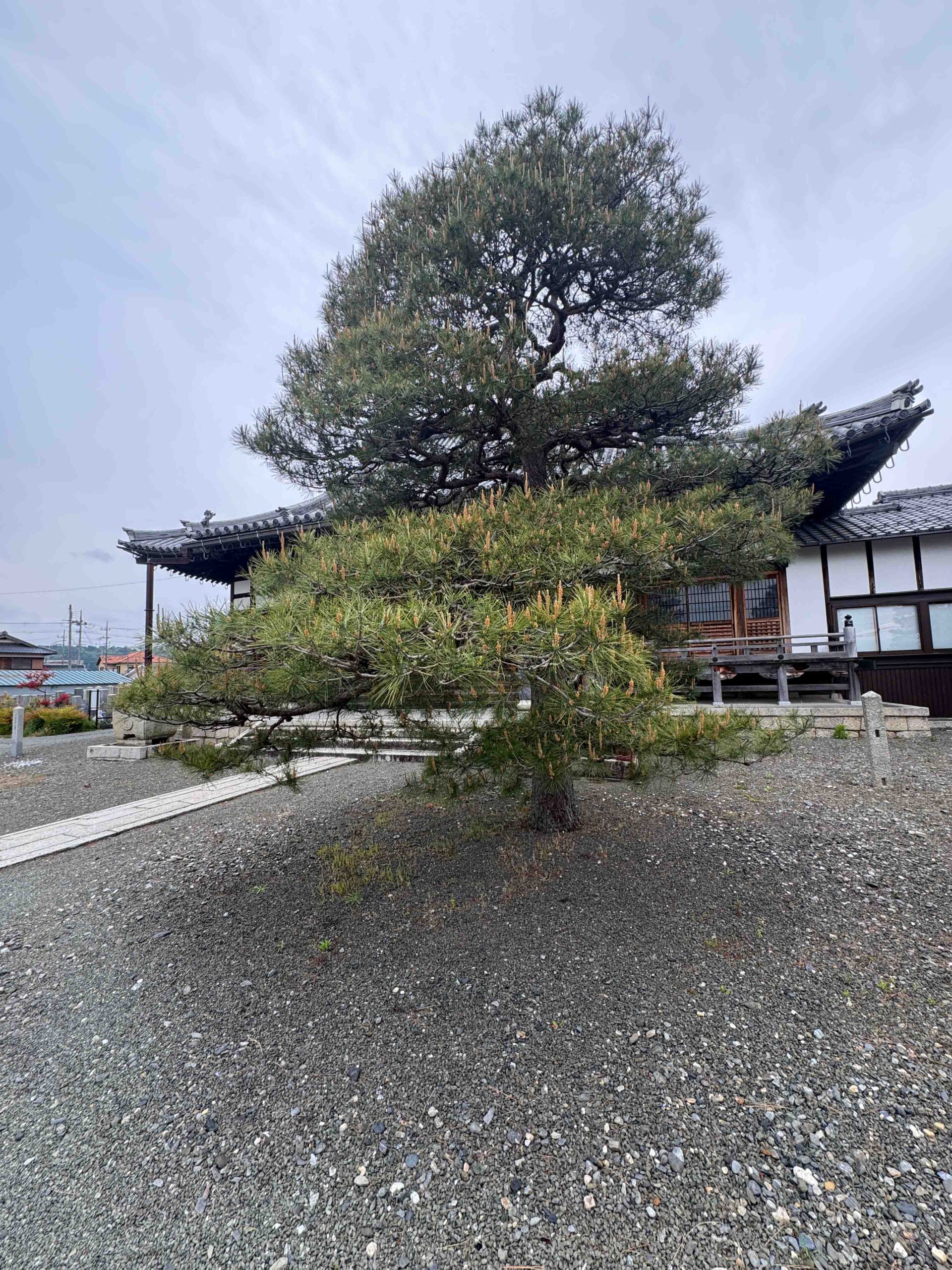
This is Sotaku-ji Temple (Tounzan Sotaku-ji), a distinguished sanctuary of the Soto Zen sect. Standing a mere 50 meters from the lapping waters of Lake Biwa, this temple is a place where the heavy winds of late-nineteenth-century revolution once clashed—and where a profound, absolute Zen silence has finally reclaimed the earth.
The General’s Camp and the Shield of the North
To step into Sotaku-ji is to feel the immense prestige of the Maeda Clan, the rulers of the Kaga Domain and one of the wealthiest samurai families in all of Japan. Sotaku-ji was chosen as a rare, highly protected mortuary temple for this powerful clan.
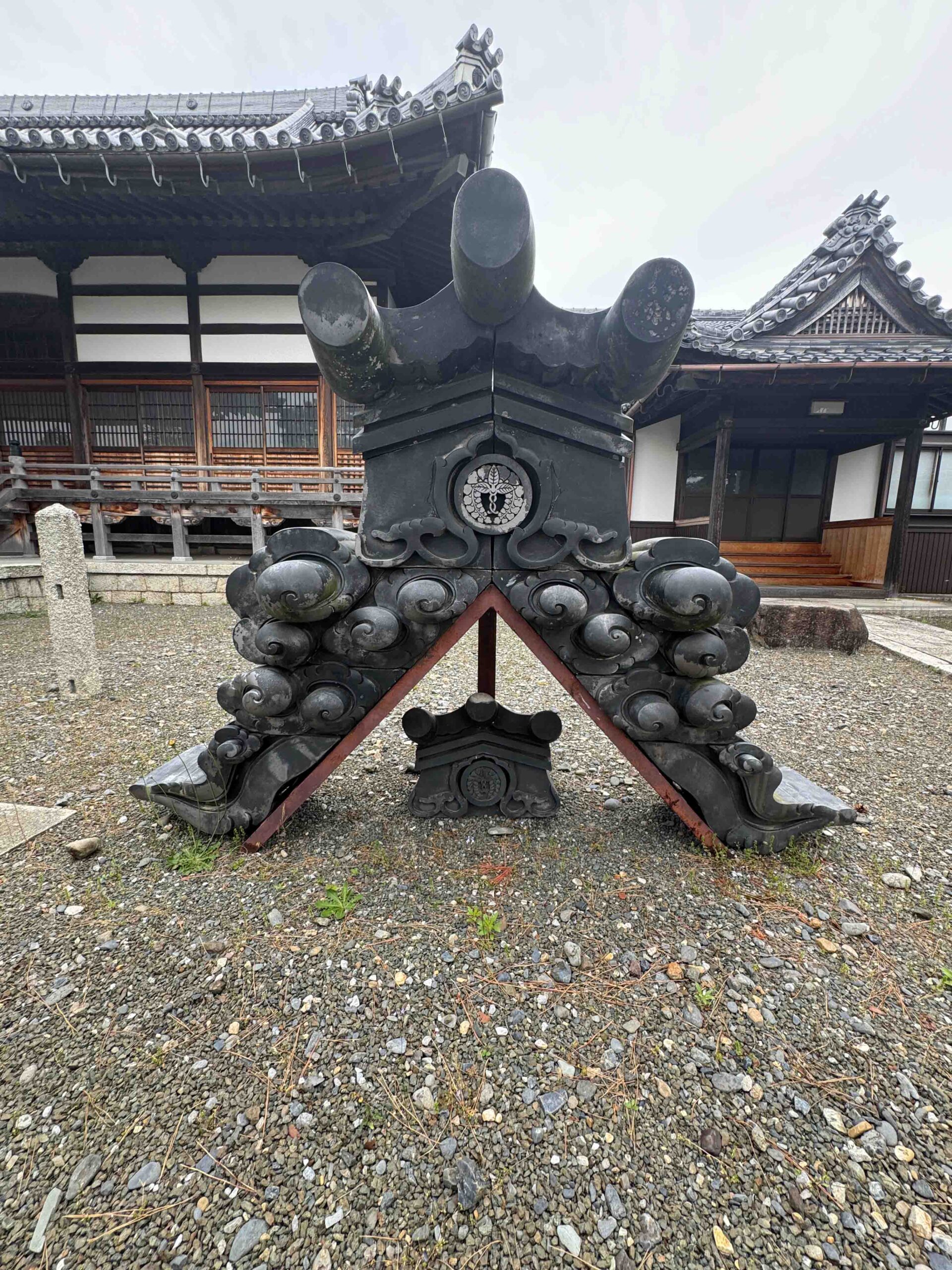
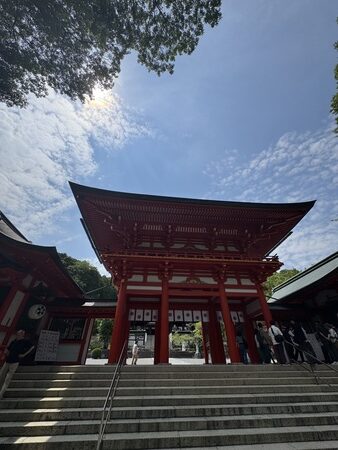
The moment you approach the temple gates, this warrior legacy reveals itself in the magnificent Romon (Two-Story Gate). Its grand timber frame and sweeping roof lines stand as a majestic testament to the Maeda family’s authority, greeting travelers with the unmistakable dignity of a high-status samurai sanctuary.
Because of its elite connections and its strategic location near the vital lake shipping routes, the temple was thrust directly into the heart of the fiery Bakumatsu period—the final, chaotic years of the samurai era.
In 1864 (Genji 1), a radical samurai group from the east known as the Mito Tengu-to rebelled, marching toward Kyoto under the banner of restoring power to the Emperor. To stop them, the Tokugawa Shogunate deployed an elite army led by the Maeda Clan, who established their military headquarters right inside the wooden halls of Sotaku-ji.
More importantly, the supreme commander of the Shogunate’s forces—Tokugawa Yoshinobu himself—marched into Imazu and used this very temple as his personal military camp. In these quiet rooms, surrounded by the smell of incense, the future last Shogun of Japan stared out into the dark lake, planning the defense of an empire that was slipping through his fingers.
Masterpieces in the Temple Shadows
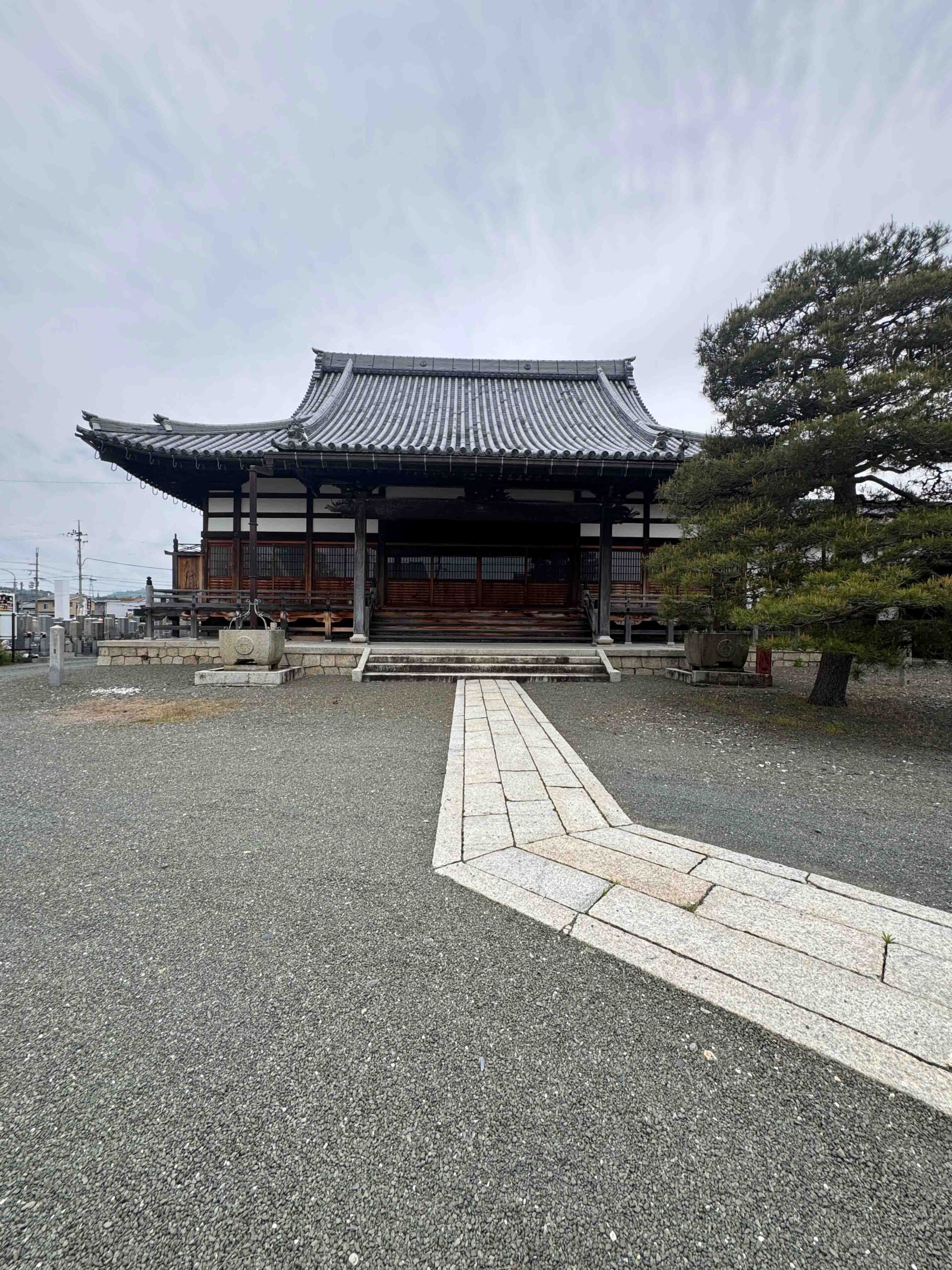
Beyond its intense political history, Sotaku-ji is a repository of exquisite Zen artistry. The Main Hall houses beautiful painted folding screens (byobu) crafted by the celebrated artist Hasegawa Toshige, offering a rare glimpse into the refined tastes of the medieval elite.
Directly outside the hall spreads a classical Karesansui (Dry Landscape) Garden, meticulously designed and carved during the late Edo period. Using carefully placed stones, raked gravel, and moss, the garden represents a miniature landscape of mountains and oceans without using a single drop of real water.
Sotaku-ji stands proudly as the 14th stop on the sacred circuit of the 32 Zen Temples of Shakyamuni Buddha. If you receive the temple’s official Goshuin (sacred calligraphy ink stamp), the monk will write the ancient Zen phrase: 「白雲幽石抱」 (White clouds embrace the deep mountain stones). It is a poetic description of a landscape completely free of ego, where the elements of nature simply hold each other in perfect, selfless harmony.
Why Visit Sotaku-ji Now?
For an international traveler based in Kyoto, Sotaku-ji offers a profoundly atmospheric escape. While Kyoto’s temples are monumental, they are surrounded by the hum of the city. At Sotaku-ji, the only sound you hear is the gentle rustle of the lake wind sweeping through the heavy wooden gate.
It is a destination for the thoughtful historical traveler—the explorer who wants to look through the same wooden frames that a Shogun once gazed through, the art lover seeking the lines of Edo-period master painters, and the soul-searcher looking for a space of absolute, unaltered Zen meditation.
Standing in the quiet courtyard, feeling the cool breeze rolling off Lake Biwa just 50 meters away, the roaring armies of 1864 feel like a distant dream. The Shoguns and the rebels are gone, but the timeless spirit of Zen remains entirely unbroken.
Quick Access & Info
-
Location: Sotaku-ji Temple (Takashima City, Imazu)
-
Route: JR Kyoto Station → JR Omi-Imazu Station (Approx. 50 min via Special Rapid Service) → Followed by a peaceful 10-minute walk through the lakeside town center.
-
Admission: Free entry to the temple grounds.
Click here for Biwa Lake cruise details and reservations.

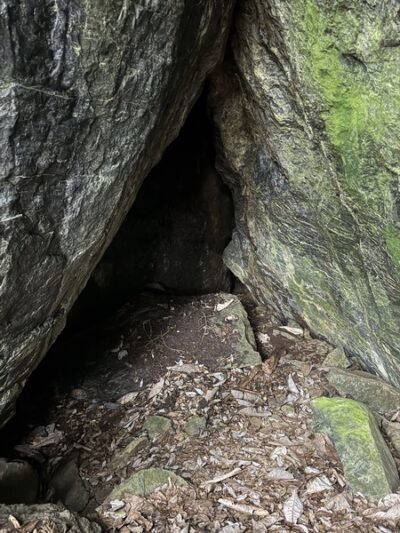
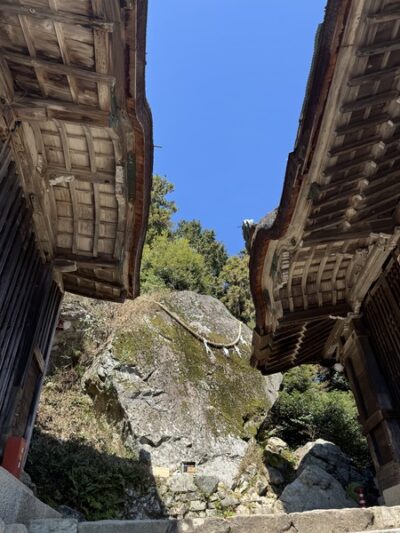
Nobunaga’s Hiding Rock