The Sea of the Heart: Where Toyotomi Hideyoshi Prayed to the Water Gods at Sumiyoshi Shrine
If you have visited the stunning lakeside shrines of Japan, you likely know that the country’s maritime gods are almost exclusively worshiped along the roaring ocean coastlines. But just 50 minutes north of Kyoto, nestled within the historic port town of Imazu on the western shore of Lake Biwa, lies an extraordinary exception.
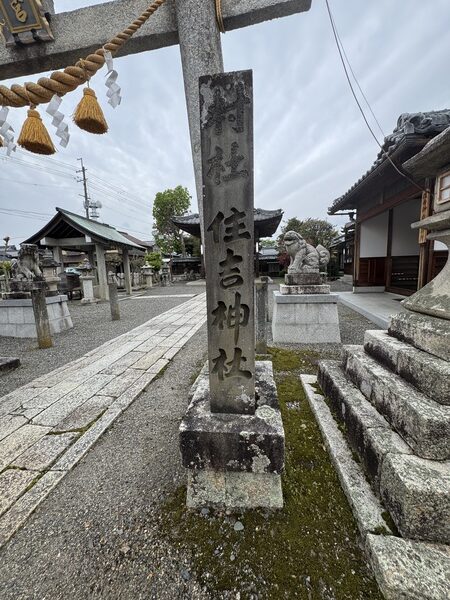
This is Sumiyoshi Shrine (Imazu). Established during a time of existential crisis for Japan, this sacred sanctuary marks a place where the boundary between a vast freshwater lake and the deep ocean completely blurred—and where the greatest samurai ruler of the realm bent his knee to pray for the safety of his empire’s waters.
The Ruler’s Seal and the Ocean of Pure Water
The story of Imazu’s Sumiyoshi Shrine begins in the year 1278 (the Kamakura period)—the exact era when the massive armada of the Mongol Empire was bearing down on Japan’s coasts during the historic Mongol Invasions (Genko).
The deities invited to this ground are the Sumiyoshi Sanjin (the Three Gods of Sumiyoshi): Uwatsutsu-no-o-no-mikoto, Nakatsutsu-no-o-no-mikoto, and Sokotsutsu-no-o-no-mikoto. According to the ancient chronicle Kojiki, when the creator god Izanagi dove deep into the waters to purify himself after returning from the underworld, these three deities emerged directly from the surface, the mid-waters, and the very bottom of the depths. They are the supreme rulers of the water and the guardians of navigation.
While these oceanic gods are usually enshrined by the sea, the people of ancient Japan looked out over the massive expanse of Lake Biwa and called it Awaumi—the Freshwater Sea. To them, it was an ocean.
Imazu was the most critical shipping hub connecting the northern Sea of Japan coast (Wakasa) to the capital of Kyoto. For centuries, every precious cargo of food, silk, and medicine had to cross the unpredictable waters of the lake.
In 1583, as the great unifier Toyotomi Hideyoshi marched his armies north, he stopped at this very shrine. Recognizing the vital importance of this watery highway, Hideyoshi offered sacred ritual funds (Heihakuryo) to the shrine, praying directly to the Sumiyoshi gods for total safety across the lake. To secure the town’s prosperity, he granted the port an official imperial seal (Goshon-in), authorizing Imazu as the exclusive harbor for goods arriving via the Wakasa highway. This act sparked the famous Goshon-in Matsuri festival, which was celebrated by the port town for nearly 290 years until the late 19th century—a living testament to a pact made between a ruler and the gods of the water.
A Realm of Absolute Balance
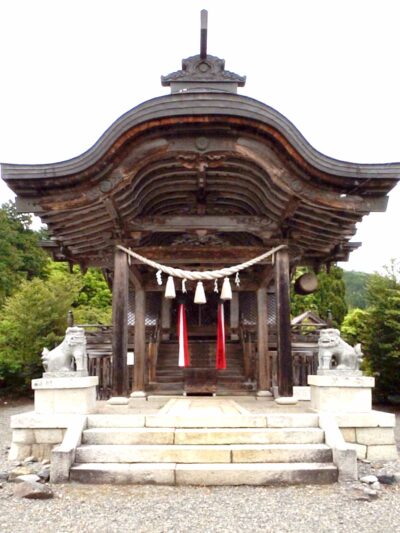
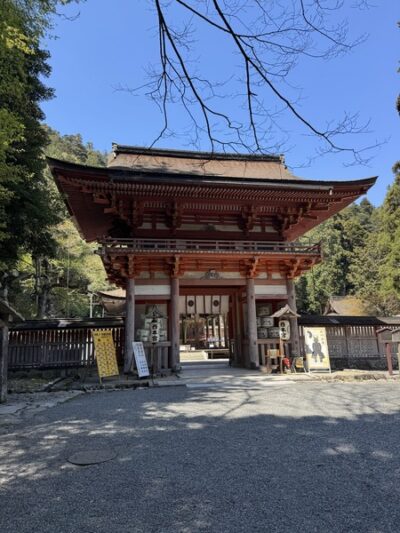
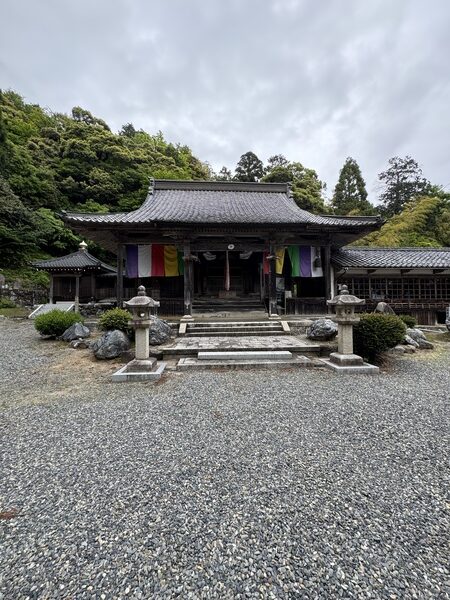
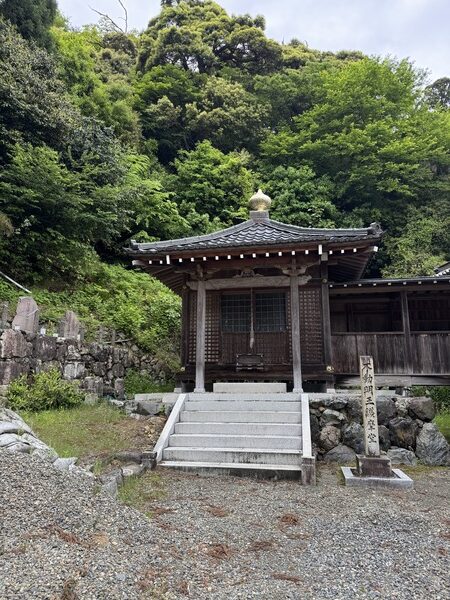
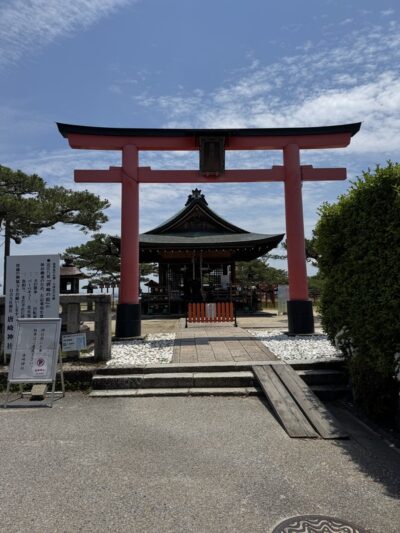
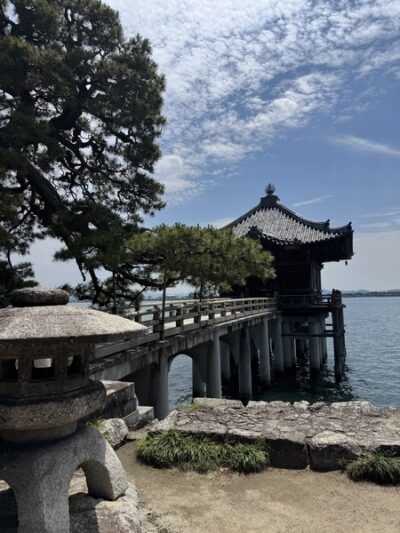
The current sanctuary structures, beautifully rebuilt in 1879, stand as a stunning example of late 19th-century Shinto elegance. As you step onto the shrine grounds, the architecture immediately captures your eye. The Main Hall (Honden) features a magnificent Chidori-hafu (plover gable) roof, its clean, sharp lines slicing gracefully into the wide sky of Imazu.
Unlike the crowded city shrines of Kyoto, where the structures are tightly framed by urban streets, Sumiyoshi Shrine breathes with the open, expansive energy of the lake. The air here carries a crisp, cool moisture, and the sound of the wind through the courtyard pines feels like a gentle echo of ocean waves. It is a space of profound, elegant balance, where the ancient prayers of samurai and lake merchants are preserved in the quiet dignity of the wood.
Why Visit Sumiyoshi Shrine Now?
For an international traveler based in Kyoto, Sumiyoshi Shrine offers a fascinating look into how geography shapes faith. It allows you to see how a landlocked lake was treated with the same deep reverence, fear, and wonder as a vast, untamed ocean.
It is a destination for the discerning historical explorer—the traveler who wants to walk the same historic port streets that Hideyoshi secured, the photographer capturing the striking silhouette of a 19th-century gable against the sky, and anyone seeking a moment of absolute serenity away from the tourist trails.
Standing in the quiet courtyard, just a short walk from the lapping waves of Lake Biwa, you can feel the incredible weight of an era when a nation’s destiny rested entirely on the safety of a boat crossing the freshwater sea.
Quick Access & Info
-
Location: Sumiyoshi Shrine (Takashima City, Imazu)
-
Route: JR Kyoto Station → JR Omi-Imazu Station (Approx. 50 min via Special Rapid Service) → Followed by an easy, flat 7-minute walk through the historic town center.
-
Admission: Free entry to the shrine grounds.
Click here for Biwa Lake cruise details and reservations.

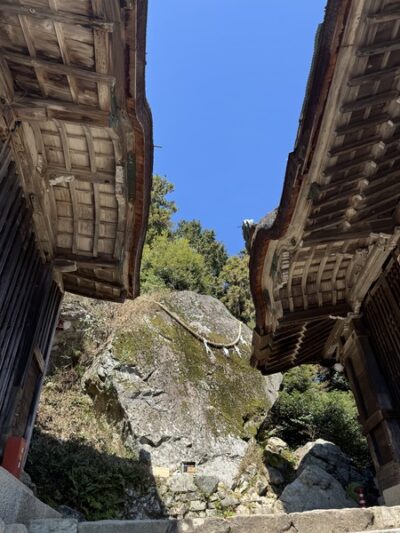
Nobunaga’s Hiding Rock