The Invisible Shield of Kyoto: Unveiling the Samurai Myths and Sacred Monkeys of Hiyoshi Taisha’s Nishi-hongu
When you wander through the historic streets of Kyoto, you are walking within a city that was meticulously designed centuries ago to be a spiritual fortress. According to ancient geomancy, the northeast is known as the Kimon (The Demon Gate)—the direction from which malevolent spirits and disasters enter. To protect the capital, a powerful invisible shield was established just across the mountains.
This is Nishi-hongu (The West Main Shrine) of Hiyoshi Taisha. Established in the year 668 at the foot of Mt. Hiei, this National Treasure has stood for over a millennium as Kyoto’s ultimate protector. If you are a traveler looking to discover the hidden spiritual armor of the ancient capital, this sacred sanctuary is waiting for you.
The Shogun, the Emperor, and the Guardian Deity
The history of Nishi-hongu is deeply woven into the fabric of Japan’s unification. In the 7th century, the deity Onamuchi-no-kami—the great god of nation-building—was invited from Mt. Miwa in Nara to be enshrined here, creating a spiritual barrier to protect the upcoming capital of Kyoto.
Centuries later, during the turbulent Warring States period, this peaceful sanctuary faced a devastating crisis. In 1571, the ruthless warlord Oda Nobunaga burned the entire Mt. Hiei complex, reducing Hiyoshi Taisha to ashes.
However, the shrine’s destruction led to a miraculous rebirth. It was Nobunaga’s successor, the Great Unifier Toyotomi Hideyoshi, who poured his immense wealth and power into rebuilding the sanctuary. This connection feels like destiny: Hideyoshi’s childhood name was Hiyoshimaru, and his famous nickname given by Nobunaga was Saru (The Monkey). By rebuilding the shrine of the mountain god, the “Monkey Shogun” permanently etched his legacy into the stones of this sacred valley.
The Guardians of the Gate: The Masaru Monkeys
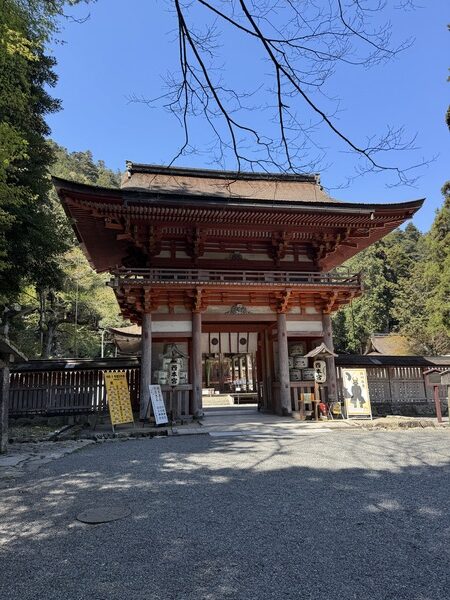
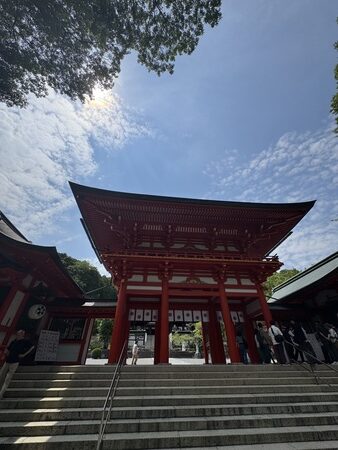
As you stand before the grand Romon (Two-Story Gate) of Nishi-hongu, look up closely at the wooden eaves. Under the four corners of the roof, you will discover beautifully carved wooden monkeys, each frozen in a different, expressive pose.
These are the Masaru, the sacred monkey messengers of Hiyoshi Taisha. In Japanese, the name Masaru sounds exactly like the words for “Evil spirits depart” and “Excel in all things” .
Unlike the famous “See No Evil, Hear No Evil, Speak No Evil” monkeys of Nikko, the Masaru of Nishi-hongu are active guardians, supporting the heavy weight of the roof and keeping a watchful eye on the forest. For the international traveler, finding these hidden guardians turns a walk through the shrine into a playful treasure hunt amidst ancient sacred architecture.
The Secret Room of the National Treasure
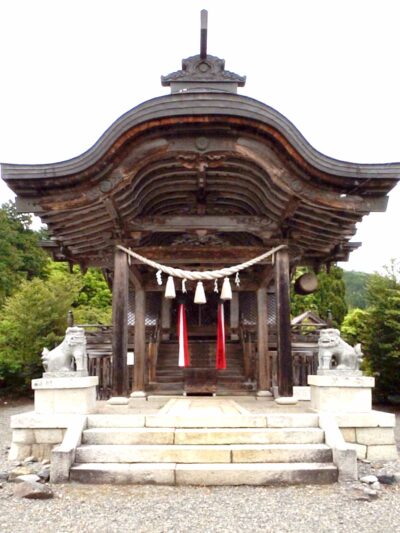
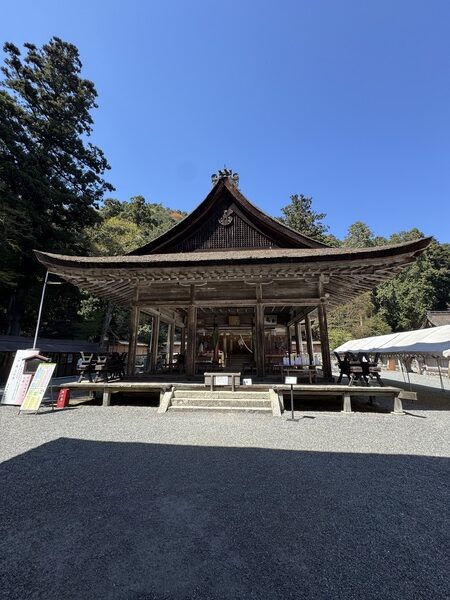
The climax of your visit is the Honden (Main Hall), a designated National Treasure of Japan. Like its twin shrine, Higashi-hongu, it is built in the extraordinarily rare Hie-zukuri style, a grand architectural form defined by its magnificent sweeping curves of cypress bark roofing.
However, Nishi-hongu holds a deep secret within its foundations. Directly beneath the sacred altar, hidden under the floorboards, lies a concealed room known as the Geden (Lower Chamber).
In the medieval era, this hidden chamber was used by the warrior-monks of Mt. Hiei to perform secret Buddhist rituals. This unique feature reflects Shinbutsu-shugo—the ancient, harmonious blending of Shinto and Buddhism that defined Japanese faith for a thousand years. Here, inside a Shinto shrine, the rituals of Buddha were quietly chanted in the dark. It is a profound monument to a time when gods and buddhas shared the same sacred mountain.
Why Visit Nishi-hongu Now?
For a traveler based in Kyoto, Nishi-hongu offers an epic historical narrative paired with unparalleled architectural beauty. It is a place where you can stand directly between the worlds of Shinto mythology, Buddhist mysticism, and samurai politics.
Walking through the mossy courtyards, under the protection of the sacred monkeys, you will feel the incredible gravity of a place that has guarded emperors and unifiers for over 1,300 years. It is an essential pilgrimage for anyone who wants to truly understand the spiritual heart that keeps Kyoto alive.
Quick Access & Info
-
Location: Nishi-hongu, Hiyoshi Taisha Shrine (National Treasure)
-
Route: JR Kyoto Station → JR Hieizan-Sakamoto Station (Approx. 20 min) → Followed by a scenic 20-minute walk up the historic, stone-walled approach.
-
Admission Fee: Adults 500 yen
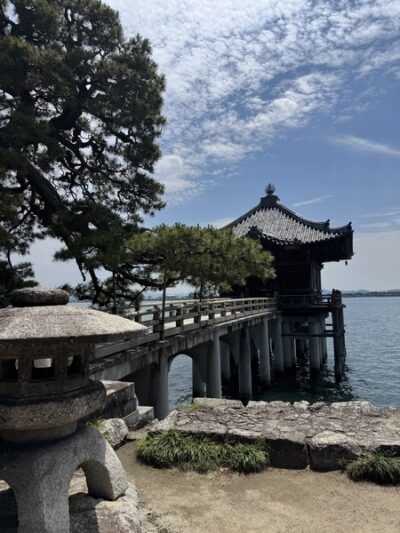
Click here for Biwa Lake cruise details and reservations.

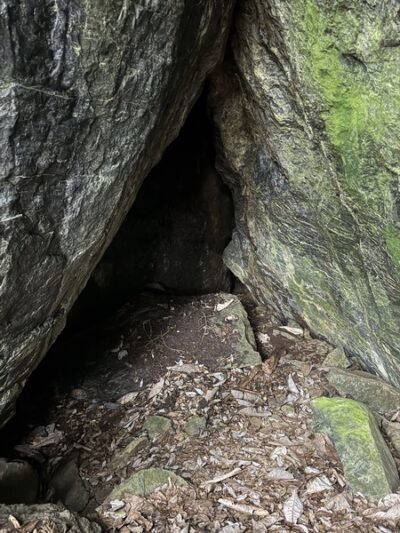
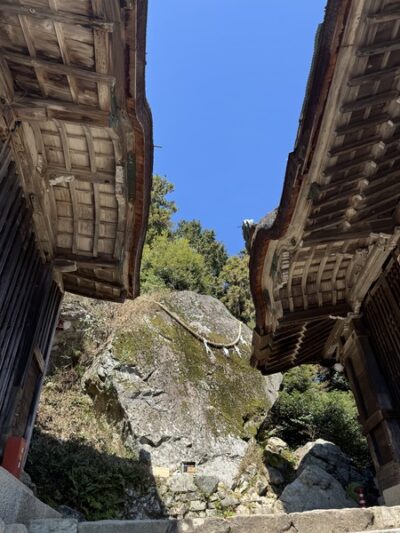
Nobunaga’s Hiding Rock