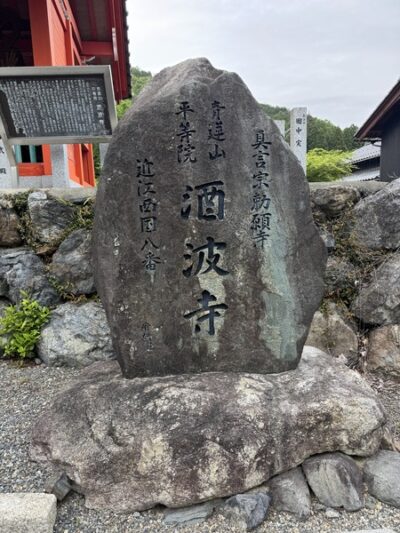
Hogon-ji Temple
The Temple of the Golden Phoenix: A Pilgrimage to Hogon-ji on the Sacred Isle
If you have stood on the wooden balcony of Kiyomizu-dera in Kyoto and marveled at its architectural grandeur, there is a “hidden twin” waiting for you in the middle of Lake Biwa. It is a place where the mountains meet the water, and where the legacy of the most powerful samurai in history is carved into every beam.
This is the story of Hogon-ji Temple, an ancient sanctuary perched on the cliffs of Chikubu Island (Chikubushima). For over 1,300 years, it has stood as a bastion of spiritual power, accessible only by boat and protected by the gods of the lake.
A Sanctuary Floating in the Sapphire Lake
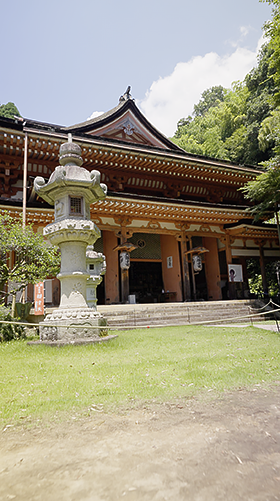
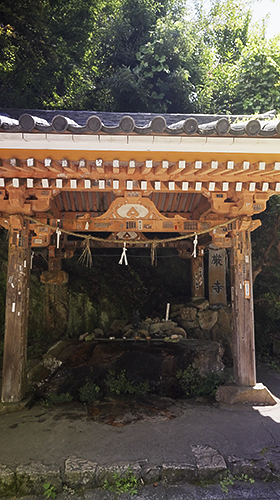
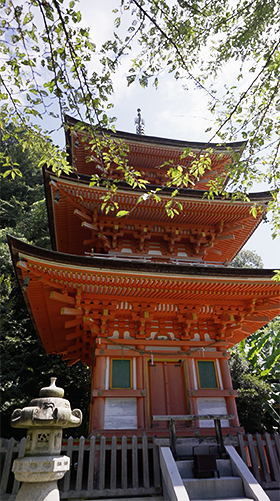
Founded in the year 724 by the command of Emperor Shomu, Hogon-ji is the 30th stop on the famous Saigoku Kannon Pilgrimage—a circuit of 33 sacred temples across Japan. To reach it, you must cross the vast expanse of Lake Biwa. As the island draws near, the temple reveals itself, clinging to the steep, emerald slopes like a mythical palace from a scroll painting.
The temple is dedicated to Benzaiten, the goddess of everything that flows: music, water, speech, and fortune. Alongside the Benzaiten at Enoshima and Itsukushima, Hogon-ji is considered one of the “Three Great Benzaiten Shrines of Japan.” Entering the temple grounds is like entering a different dimension, where the city’s noise is replaced by the cry of black kites and the rhythmic lapping of the sacred waters.
The Shogun’s Last Gift: The Kara-mon Gate
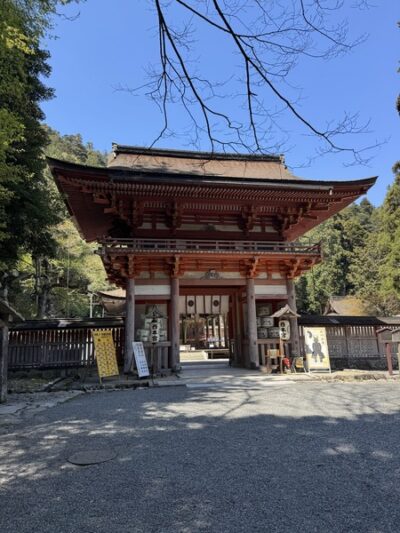
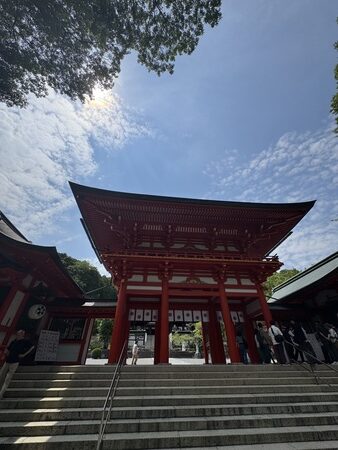
The true crown jewel of Hogon-ji is the Kara-mon Gate, a National Treasure of Japan. This gate is more than just an entrance; it is a time capsule of the most extravagant era of samurai culture—the Momoyama Period.
Recent architectural studies have confirmed a breathtaking fact: this gate is the only surviving remnant of Toyotomi Hideyoshi’s legendary Osaka Castle. After the fall of the Toyotomi clan, the gate was moved here to protect it from the fires of war.
The gate is a riot of color and craftsmanship. Intricate carvings of hawks, peonies, and mythical beasts are adorned with gold leaf and vivid cinnabar lacquer. Above the door sits a golden phoenix, its wings spread as if to protect the sacred island. To touch the wood of the Kara-mon is to touch the same carvings that once greeted the Great Unifier of Japan.
The Dragon’s Path: The Funa-yagura Corridor
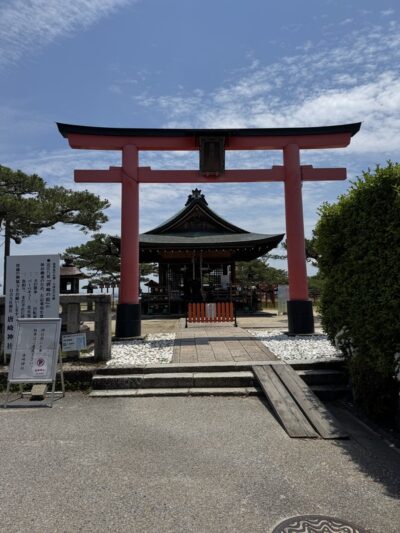
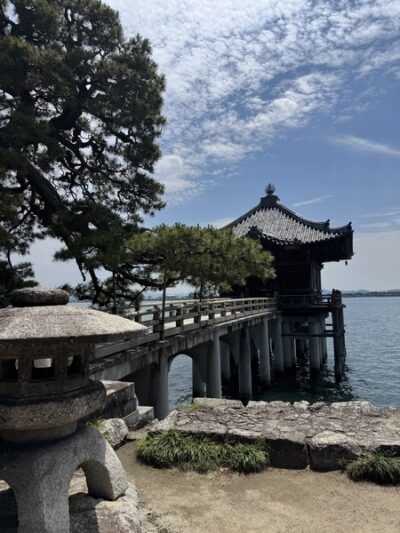
Stretching out from the Kara-mon is one of the most unique architectural features in all of Japan: the Funa-yagura (Ship Corridor). This covered bridge, designated as an Important Cultural Property, connects the temple to the neighboring Tsukubusuma Shrine.
As its name suggests, the corridor was constructed using the reclaimed timbers of the Nihon-maru, the personal flagship of Toyotomi Hideyoshi. As you walk through the dark, atmospheric wooden passage, you can see the structural beams that once weathered the waves of the ocean. It is the only place in the world where you can walk inside the skeleton of a 16th-century samurai warship, repurposed into a path of prayer.
Why Visit Hogon-ji Now?
For a traveler in Kyoto, Hogon-ji offers something the city cannot: a sense of absolute isolation and ancient mystery. While Kyoto’s temples are beautiful, they are part of a bustling city. Hogon-ji is a kingdom unto itself.
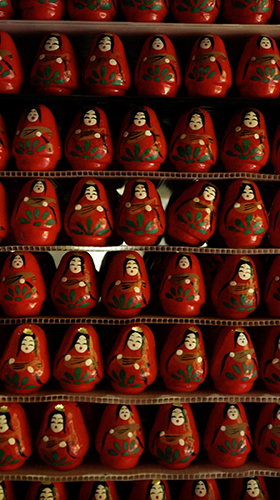
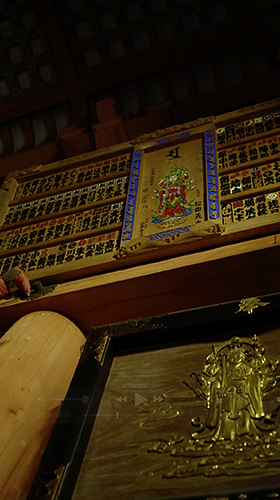
It is a place of “Wish-Granting.” Inside the main hall, you will find thousands of small, red Daruma dolls. Pilgrims write their wishes on a piece of paper, place them inside the doll, and leave them with the goddess. The sight of these thousands of tiny red figures, each carrying a human hope, is both surreal and deeply moving.
Whether you are a history buff chasing the ghosts of the samurai, an architecture lover, or a seeker of spiritual peace, the voyage to Chikubu Island is a rite of passage. It is a journey that reminds us that beauty is often found at the edge of the world.
Travel Tips for the Discerning Explorer
-
The Stairs of Purification: To reach the main hall, you must climb 165 steep stone steps known as the “Stairway of the Gods.” Take your time; the view of Lake Biwa from the top is your reward.
-
The “One-Wish” Benzaiten: Look for the small, beautifully painted Benzaiten dolls. It is a tradition to buy one, place your wish inside, and leave it at the shrine to ensure the goddess hears your plea.
-
Observe the Restoration: Much of the temple has recently undergone a major restoration, bringing the 400-year-old colors of the Momoyama period back to their original, blinding brilliance.
-
Silence is Sacred: Chikubu Island is a place of deep spiritual importance. Speak softly and allow yourself to be absorbed by the natural and divine atmosphere of the isle.
Click here for Biwa Lake cruise details and reservations.

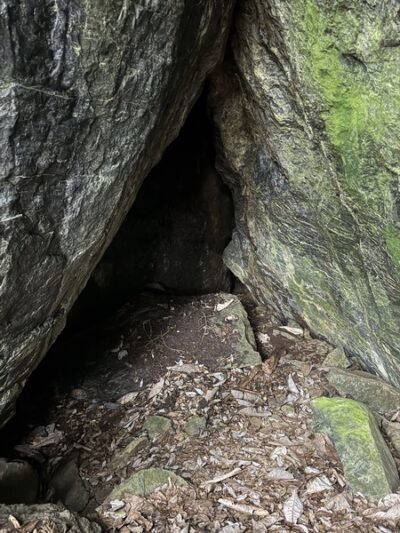
Nobunaga’s Hiding Rock