The Temple of the Sacred Well: Unveiling the Phoenix Spirit of Mii-dera
While Kyoto’s grand temples are legendary, just over the eastern mountain ridge lies a sanctuary that has arguably shaped Japanese history more than any other. In the foothills of Mt. Hiei, overlooking the southern shores of Lake Biwa, stands Mii-dera (Onjo-ji).
Known as the “Phoenix Temple,” Mii-dera has been burned to the ground and rebuilt from the ashes countless times over the past 1,300 years. If you are a traveler in Kyoto who seeks a place of raw resilience, ancient mysteries, and a view that captures the heart of Shiga, this is your next destination.
The Dragon’s Water and the Birth of Emperors
The name “Mii-dera” translates literally to “The Temple of the Three Wells.” This is no mere poetic title; it refers to the Akaiya, a sacred spring that still flows within the temple grounds. According to legend, the spring was used to provide the first bath for three of Japan’s ancient emperors.
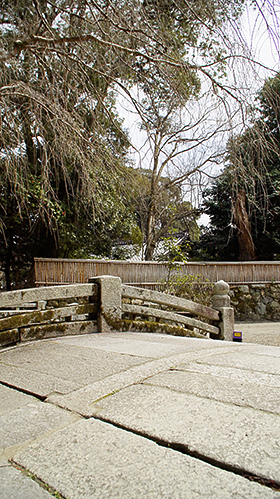
As you stand before the Akaiya pavilion, you will notice a dragon carving above the entrance. Local lore says this dragon was once so lifelike that it escaped its wooden frame at night to play in the nearby lake, only returning when a master craftsman drove a spiritual spike into its head to calm it. This sense of living mythology permeates every corner of the temple, from its moss-covered stone walls to the ancient cedars that have witnessed centuries of samurai intrigue.
The Sound of One Thousand Years
Mii-dera is home to one of the most famous sounds in Japan: The Evening Bell of Mii-dera. Designated as one of the “Three Famous Bells of Japan,” its deep, resonant tone has been praised for centuries for its clarity and spiritual weight.
There is a poignant legend associated with this bell involving the warrior monk Benkei, a figure of superhuman strength. It is said that Benkei once stole the bell and dragged it all the way to the top of Mt. Hiei. However, every time he struck it, the bell didn’t ring—it “cried,” sobbing in a human voice, “I want to go back to Mii-dera!” Infuriated, Benkei kicked the bell back down the mountain. If you look closely at the bell today, you can still see the scratches and dents said to have been made by Benkei’s massive feet.
For the modern traveler, hearing the bell ring at sunset is a moment of pure “Zen”—a sound that bridges the gap between the warring past and the peaceful present.
A Panorama of the Lake and the City
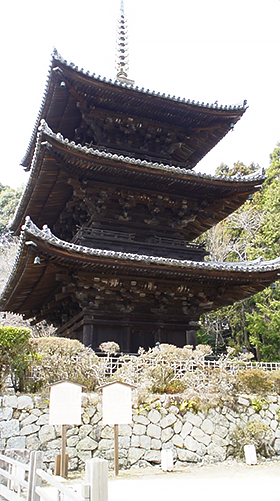
While Kyoto’s temples often feel enclosed within the city, Mii-dera offers a sense of vastness. The temple is sprawling, featuring over 40 National Treasures and Important Cultural Properties scattered across the mountainside.
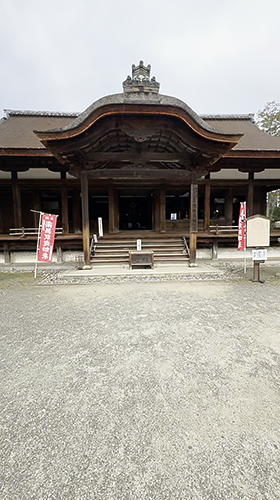
The ultimate reward for exploring the temple’s upper reaches is the Kannon-do Balcony. From this wooden observation deck, you are treated to a breathtaking panorama. Below you lies the historic city of Otsu, and stretching out toward the horizon is the majestic Lake Biwa. In the spring, the temple grounds are a sea of 1,300 cherry blossom trees, making the view look like a pink cloud floating above the sapphire water. It is a visual clarity that matches the spiritual clarity found within the temple’s halls.
Why Visit Mii-dera Now?
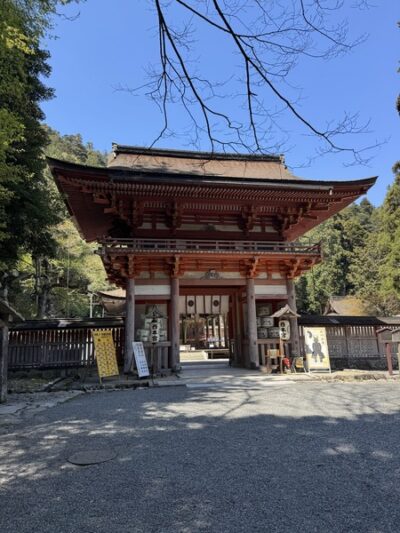
For a traveler based in Kyoto, Mii-dera offers the “Grandeur of History” without the overwhelming crowds. It is a place where you can truly feel the weight of the samurai era. This temple was the center of a fierce rivalry with the monks of Mt. Hiei, and its history is one of warriors, scholars, and survivors.
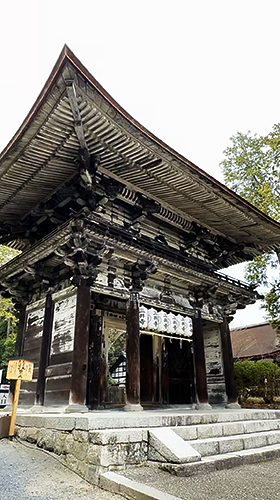
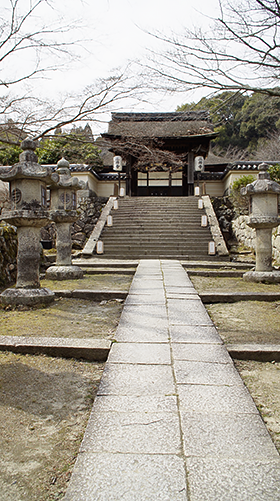
Mii-dera is also a favorite location for cinema. If you are a fan of samurai movies like Rurouni Kenshin, you might recognize the stone steps and weathered gates. The temple’s “authentic” atmosphere—untouched by modern commercialism—makes it the perfect stage for a journey back in time.
Travel Tips for the Curious Explorer
-
The Secret Labyrinth: Explore the Issai-kyo library, which features a massive, rotating octagonal bookshelf from the 15th century. It is a masterpiece of mechanical engineering from the medieval era.
-
The Benkei Connection: Visit the “Benkei’s Cauldron,” a massive iron pot where the legendary monk supposedly cooked his meals. It stands as a testament to the sheer scale of the warrior-monks who once protected this sanctuary.
-
Seasonal Illuminations: If you visit during cherry blossom season, Mii-dera hosts stunning night-time illuminations. The sight of the ancient wooden structures glowing amidst the pink flowers is truly ethereal.
-
Savor the Benkei-Mochi: At the temple teahouse, try the Benkei-mochi, a traditional sweet rice cake named after the famous warrior. It’s the perfect way to recharge after climbing the temple’s historic stairs.
Access: Get off at JR Yogo Station. Then walk to the chairlift and take it to the mountaintop.
Click here for Biwa Lake cruise details and reservations.

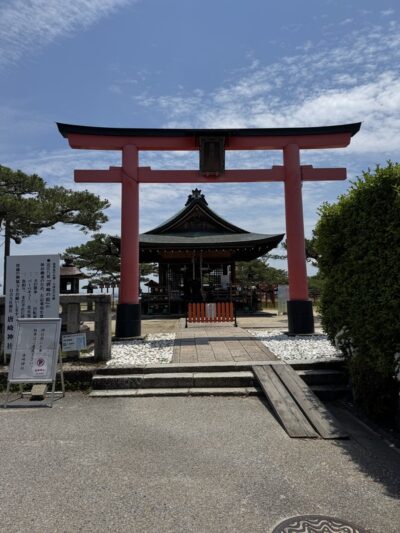
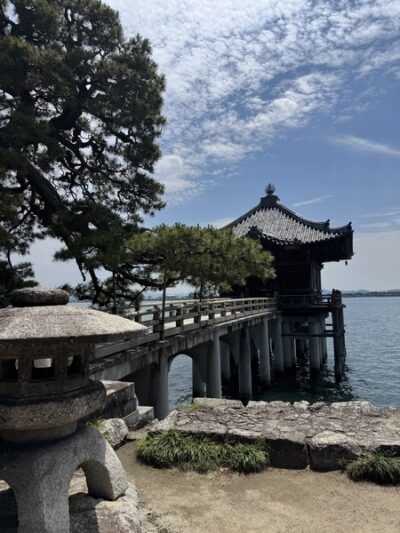
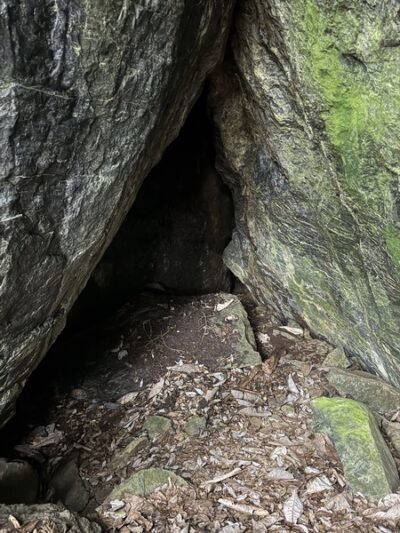
Nobunaga’s Hiding Rock