Shizugatake
The Ridge of Destiny: Standing on the Battlefield of Shizugatake
If you have explored the grand halls of Kyoto’s castles and wondered where the fate of the Samurai was truly decided, your journey must lead you north to a solitary ridge rising between two lakes. This is Mt. Shizugatake, a place where the wind whispers of ancient rivalries and the views reach across the heart of Japan.
This is the story of a mountain that witnessed the birth of a unified nation and the rise of the legendary “Seven Spears.”
The Turning Point of History
In the year 1583, Japan stood at a crossroads. Following the assassination of the great unifier Oda Nobunaga, two of his most powerful generals—Toyotomi Hideyoshi and Shibata Katsuie—clashed to decide who would rule the land. The stage for this final confrontation was the ridge of Shizugatake.
The battle is immortalized in Japanese history for the bravery of the “Seven Spears of Shizugatake” (Shizugatake no Shichi-hon-yari). These seven young warriors performed such incredible feats of valor under Hideyoshi’s command that they became legends overnight. As you stand on the summit today, you are standing on the very ground where Hideyoshi secured his path to becoming the ruler of Japan.
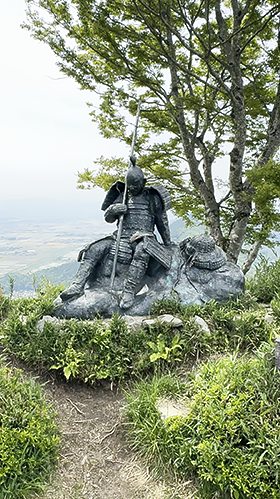
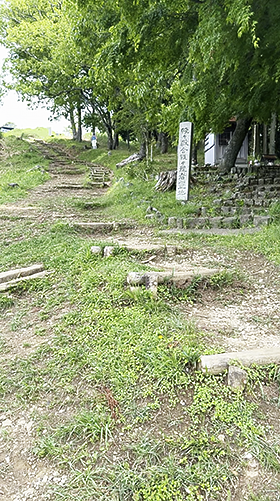
Dotted along the mountain paths, you will find stone monuments and statues marking the spots where brave commanders fell. It is a place where history isn’t just taught; it is felt in the earth beneath your boots.
The “Two-Lake View” (Biwa and Yogo)
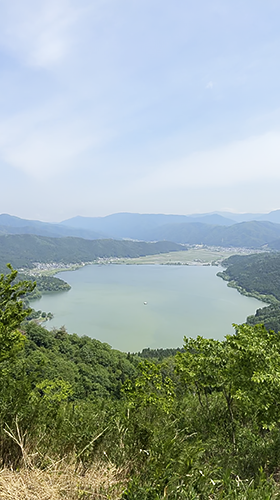
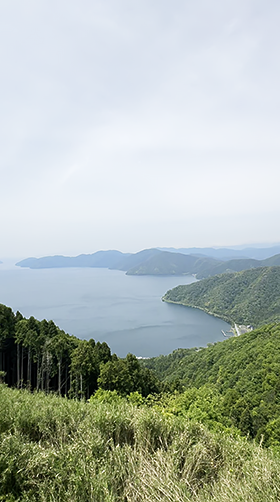
While the history of Shizugatake is epic, the view from the top is spiritual. Mt. Shizugatake offers a unique geographic perspective found nowhere else in Japan: the “Two-Lake View.”
From the 421-meter summit, you can look in two opposite directions:
-
To the South: The vast, deep blue expanse of Lake Biwa, Japan’s largest lake, stretching toward the horizon like an inland sea.
-
To the North: The small, mystical Lake Yogo, perfectly still and reflecting the sky like a silver mirror.
The contrast is breathtaking. One represents the power and scale of the nation; the other represents the quiet, hidden soul of the mountains. On a clear day, you can see the distant peaks of Mt. Ibuki and the Chikubu Island floating in the sapphire water. It is a panoramic masterpiece that rewards the traveler with a sense of absolute clarity.
A Journey Through the Sacred Woods
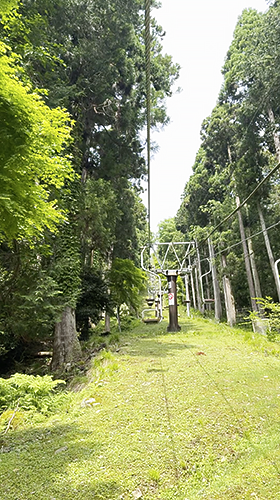
The ascent to the summit is a ritual in itself. For those who prefer a gentle journey, the Shizugatake Lift whisks you up the mountainside, offering a bird’s-eye view of the dense forests and the azure lake through your feet.
For the hiker, the trails are lined with ancient cedars and vibrant maples. In the spring, the mountain is dusted with delicate cherry blossoms, and in the autumn, it erupts into a sea of fire-red and gold leaves. Unlike the crowded hiking trails of Kyoto’s Daimonji, Shizugatake offers a peaceful, contemplative atmosphere. The sound of the wind through the pines and the distant toll of a temple bell create a “Zen” experience that grounds you in the present moment.
Why Visit Mt. Shizugatake Now?
For the traveler based in Kyoto, Mt. Shizugatake offers the ultimate “Heroic Landscape.” It is a place that combines the strategic intensity of a samurai battlefield with the transcendent beauty of a nature preserve.
It is a story of ambition and perspective. Standing where Hideyoshi stood, looking out over the lands he was about to conquer, you gain a sense of the scale of Japanese history that no city museum can provide. It is a destination for the visionary, the historian, and the lover of grand vistas.
If you seek a place where you can feel the pulse of the warring states era while surrounded by the silent beauty of the lakes, Shizugatake is waiting.
Travel Tips for the Summit Seeker
-
The Battle Map: At the summit, look for the detailed maps that illustrate the troop movements of the 1583 battle. It helps you visualize where the “Seven Spears” made their legendary charge.
-
The “Floating” Photos: The observation deck near the lift station is the best spot for the “Two-Lake” photo. Try to capture the contrast between the ripples of Biwa and the mirror-surface of Yogo.
-
Combine with Lake Yogo: After descending, take the short walk to the shores of Lake Yogo to see the “Mirror of the Sky” up close and visit the legendary Swan Maiden’s willow tree.
-
Seasonal Best: Visit in mid-November for the peak of the autumn colors, or early May for the fresh, vibrant “Shinryoku” greens that symbolize the new life of the mountain.
Access: Get off at JR Yogo Station. Then walk to the chairlift and take it to the mountaintop.
Click here for Biwa Lake cruise details and reservations.

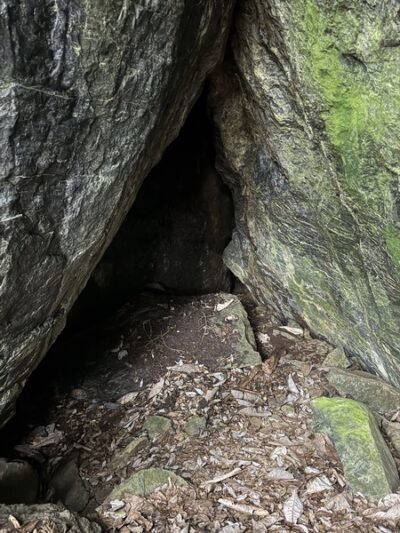
Nobunaga’s Hiding Rock