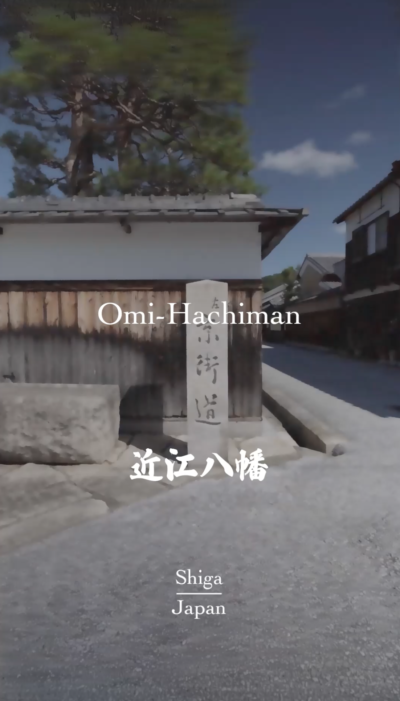
Hokkoki Kaido Road Kinomotojuku
Time Travel in a Glass of Sake: The Living Spirit of Hokkoku-kaido Kinomoto-juku
If you have strolled through the preserved streets of Kyoto’s Ninenzaka or Sannenzaka and wished you could peel back the layers of tourism to find the “real” old Japan, your heart is calling you north. Just beyond the northern tip of Lake Biwa lies Kinomoto-juku, a historic post-town on the Hokkoku-kaido (the North Country Road) that feels less like a museum and more like a living memory.
This was once the vital artery connecting the samurai capital to the rugged northern coast. Today, it is a sanctuary for those who seek the authentic flavors, scents, and quiet dignity of the Edo period.
Where Samurai and Merchants Rested
In the days of the shoguns, Kinomoto was a bustling crossroads. It was here that the Hokkoku-kaido met the road to the sacred Ise Grand Shrine. Daimyo lords in ornate palanquins, weary pilgrims, and merchants carrying salt and seafood from the Sea of Japan all converged on this narrow street.
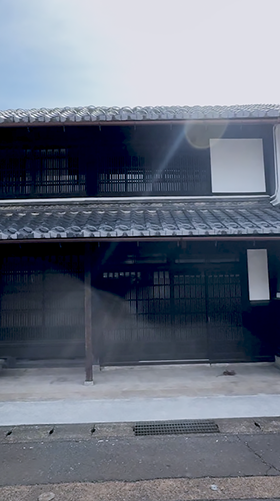
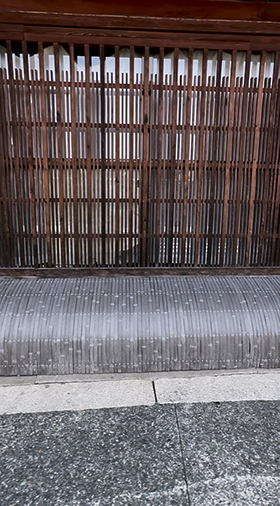
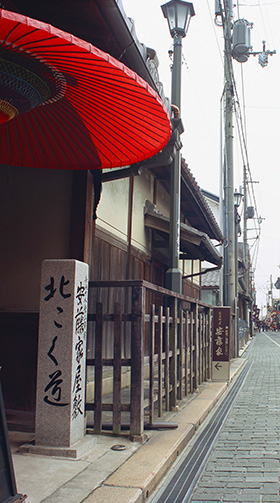
Walking through Kinomoto today, the first thing you notice is the architecture of purpose. The houses feature udatsu(fireproof wing walls) and koshi (wooden lattices) that have stood for centuries. Unlike the polished facades of city districts, these buildings are weathered and wise. They still house families, traditional craftsmen, and artisans who have kept the town’s spirit alive through the rise and fall of empires.
The Fragrance of Fermentation
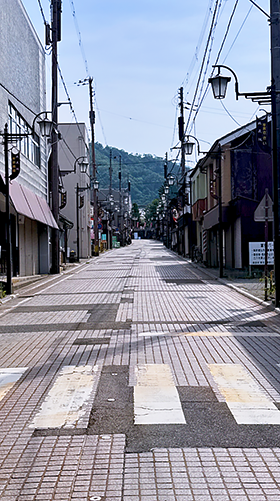
The true soul of Kinomoto-juku can be found by following your nose. As you walk the cobblestones, the air changes—from the sweet scent of aged wood to the deep, savory aroma of soy sauce and sake.
Kinomoto is home to some of the oldest breweries in Japan. Stepping into a local soy sauce brewery is like entering a cathedral of fermentation. You will see massive wooden vats (keg) bound with bamboo, some of which have been in use for over a hundred years. The “dark gold” liquid produced here is a far cry from mass-produced sauce; it is rich, complex, and tastes of time itself.
Next door, the sake cellars continue a tradition of brewing using the pure mountain water of the region. A tasting here isn’t just a drink; it’s an education in the terroir of Northern Shiga. The brewers are often there themselves, ready to share the story of how the winter snows and summer heat shape the character of their brew.
The Shadow of the Great Battle
While the town feels peaceful now, its history is etched with the echoes of samurai ambition. Kinomoto served as the strategic base for the legendary warlord Toyotomi Hideyoshi during the pivotal Battle of Shizugatake in 1583.
From the town center, you can look up at the surrounding ridges where history was decided. The local temple, Kinomoto Jizo-in, acted as a sanctuary for soldiers and a place where the fate of Japan was whispered in prayer. To walk this street is to walk the same path Hideyoshi’s messengers once galloped, carrying news that would eventually lead to the unification of Japan.
Why Visit Kinomoto-juku Now?
For the traveler based in Kyoto, Kinomoto-juku offers the gift of nostalgia without the crowds. It is a place where you are encouraged to slow down.
It is a town of “small wonders”: a beautifully carved transom above a door, a hidden garden glimpsed through a gate, or the simple joy of eating a “Salad Pan” (a quirky local bread roll) from a bakery that has been a community staple for generations. It is a place where the local people still greet you with a genuine smile, proud to share a piece of their heritage that hasn’t been diluted for mass consumption.
If you want to experience the “Old Japan” that lives in the hearts of its people—a world of soy sauce, samurai ghosts, and quiet stone lanterns—Kinomoto-juku is waiting to welcome you.
Travel Tips for the Authentic Traveler
-
Savor the Local Brew: Visit the Yamasan Shoyu brewery to see the traditional vats and taste the difference that century-old techniques make.
-
The “Salad Pan” Challenge: Don’t leave without visiting Tsuruya Bakery. Their “Salad Pan” (filled with pickled daikon and mayo) is a cult favorite across Japan and a true taste of local Kinomoto life.
-
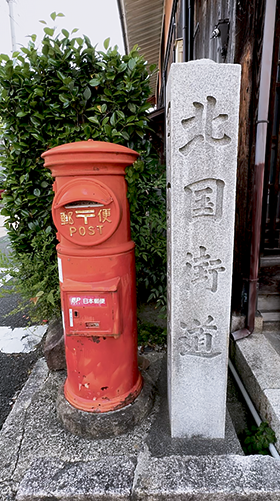
Explore the Side Streets: The charm of Kinomoto is in the details. Wander away from the main road to find small canals, ancient stone markers, and quiet shrines.
-
A Spiritual Stop: Pair your walk with a visit to Kinomoto Jizo-in to see the Great Bronze Jizo, the guardian of the town’s history and the health of its people.
Access: A short walk from JR Kinomoto Station
Another charm of the town is that its landscape changes with the seasons.
Click here for Biwa Lake cruise details and reservations.


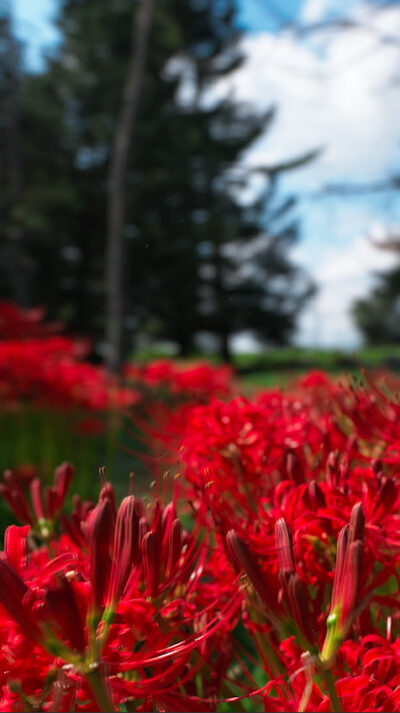
Genji-hama: Lake Biwa’s Quiet Field of Red Spider Lilies


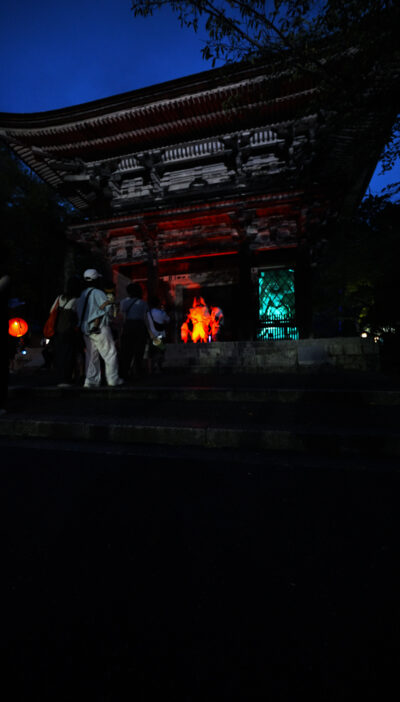
Saikyoji Summer Evening Illumination|Otsu, Shiga


Michigan Cruise|Lake Biwa, Shiga
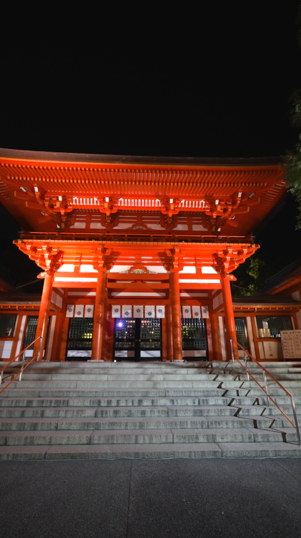
Omi Jingu Summer Illumination|Otsu, Shiga

Biwako Fireworks Festival