Otome Pond
Otome-ga-ike Pond: A Sanctuary of Water and Silence Beyond Kyoto
You have marveled at the overwhelming beauty of Kinkaku-ji and Kiyomizu-dera, and walked the path of thousands of torii gates at Fushimi Inari. Yet, even as you are moved by such deep history, do you ever feel a sudden thirst in your soul—a longing for a silence where no one else lingers, and there is only you, the water, and the sky?
If so, take a train north from Kyoto Station. On the western shore of Lake Biwa in Takashima City, Shiga Prefecture, lies Otome-ga-ike Pond. This is a hidden sanctuary that was once beloved by poets of the 8th century and served as a strategic moat for samurai castles. Today, it remains wrapped in a stillness so profound you can almost hear the “breath of the water.”
1. Memories from 1,300 Years Ago: The Poets of Manyoshu
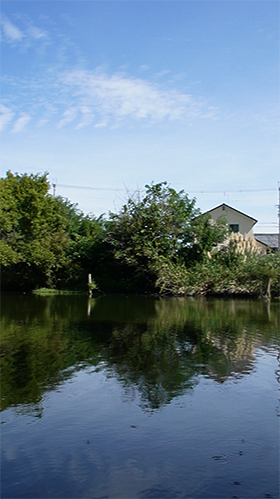
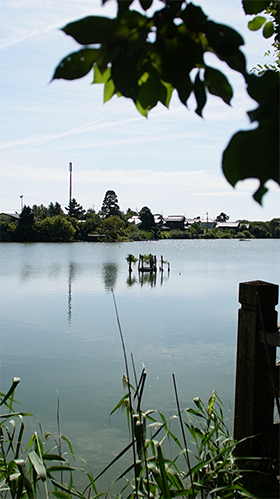
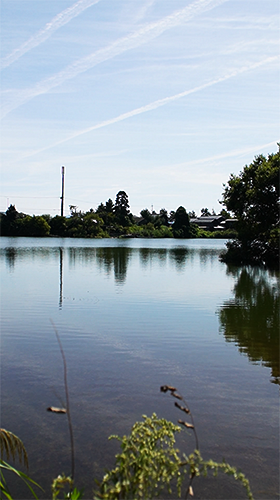
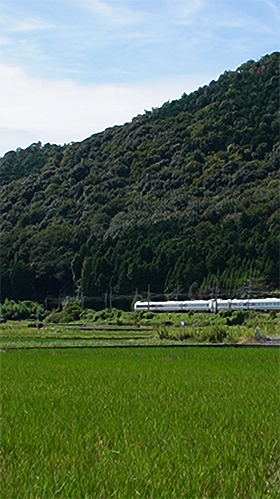
Standing on the banks of Otome-ga-ike, you are first struck by the crystal clarity of the water and the majestic silhouette of the Hira Mountains rising behind it. The history of this pond is incredibly ancient; it is mentioned in the Manyoshu—Japan’s oldest collection of poetry from over 1,300 years ago—as part of the “Sea of Katori.”
In those days, this was an inlet of Lake Biwa, and the people of the Manyo era poured their hearts into verses inspired by its beauty. While Kyoto’s temples are crystals of “refined beauty,” Otome-ga-ike is a vessel for “primordial beauty.” The breeze rippling the surface carries the same scent of water and silence that those ancient poets experienced over a millennium ago.
2. The Samurai Era: A “Mirror of Protection”
Gazing at the quiet water, it is easy to forget that this site was once part of the turbulent Warring States period. However, right beside the pond lie the ruins of Omizo Castle, built by Oda Nobuzumi under the command of the legendary unifier Oda Nobunaga.
Otome-ga-ike served as a natural moat to protect this fortress. What did the samurai of that era think as they gazed upon this water? While it was a shield to defend the castle, it also became a beautiful mirror when the moon rose—perhaps a source of healing even in a world at war. There are no flashy reenactments or tourist traps here, which is exactly why you can enjoy a “real time-travel experience,” reflecting on the daily lives of ancient warriors while gazing at the castle’s stone walls.
3. A Wooden Bridge for Waterborne Mindfulness
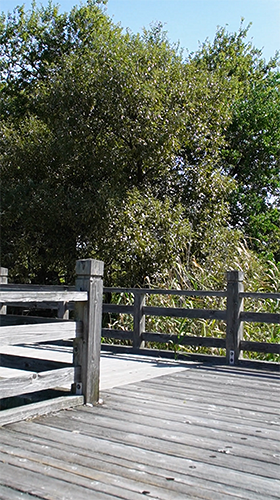
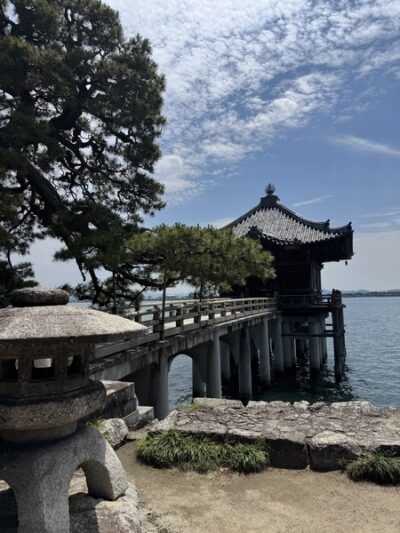
The modern symbol of Otome-ga-ike is the long, beautiful Wooden Arch Bridge (Taiko-bashi) that stretches across the water. Walking along this bridge, which curves gracefully over the center of the pond, feels as though you are floating atop the lake itself.
Beneath your feet, vast lily pads spread out, and in the right season, delicate flowers color the surface. Unlike the famous spots in Kyoto, where you must always be mindful of someone else’s camera frame, here is different. All you will hear are your own footsteps, the flapping wings of a rising waterfowl, and the rustling of reeds in the wind. By the time you reach the end of the bridge, you will realize that the “noise” of daily life has been washed away, leaving you in a state of sharpened mindfulness.
4. Travel Advice: An Afternoon Immersed in “Stillness”
If you feel that “Kyoto’s culture is wonderful, but today I simply want to sit and watch the water,” Otome-ga-ike is your perfect destination.
-
Mindset: This is a place to enjoy silence itself. Remove your earphones, turn off your notifications, and open your five senses.
-
The Play of Light: We especially recommend visiting from the late afternoon into the twilight. As the sun sets behind the Hira Mountains, the entire pond is dyed in gold and deep blue, creating a breathtaking “portrait of water.”
-
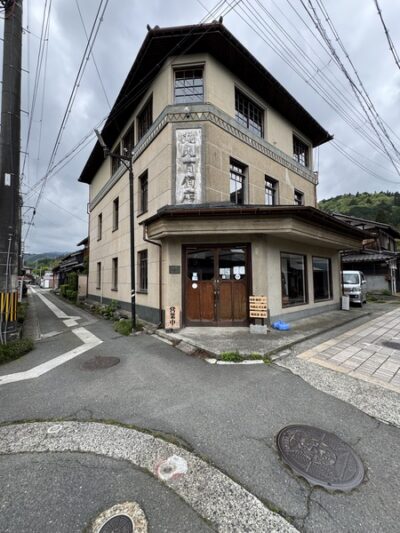
A Stroll through Omizo: After exploring the pond, walk through the nearby settlement of Omizo, a former castle town. Ancient waterways still breathe within the daily lives of the residents, allowing you to feel firsthand how the people of Shiga have loved and lived alongside water for centuries.
Conclusion: Close the Guidebook and Enter the Water Sanctuary
A trip to Kyoto is a journey to understand Japan’s “Culture.” A trip to Otome-ga-ike is a journey to understand Japan’s “Tranquility.”
When you grow a little weary of the clamor of famous sights, stretch your journey to the western side of Lake Biwa. Stand still on the wooden bridge and gaze at the mirror-like water reflecting the Hira Mountains. There, you will encounter the deepest and most peaceful version of yourself.
Access: It is a short walk from JR Omi Takashima Station and is about 40 minutes from Kyoto.
Will you let yourself be embraced by the water’s prayer that has remained unchanged for 1,300 years?
Click here for Biwa Lake cruise details and reservations.

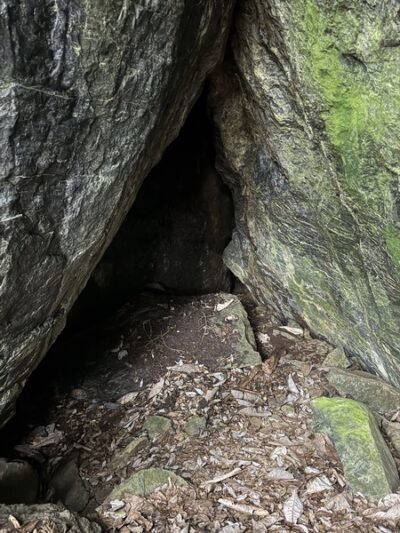
Nobunaga’s Hiding Rock